A species
Rocket-fuel bacterium
Candidatus Kuenenia stuttgartiensis
A tiny sewage cleaner that makes rocket fuel in a sealed room inside itself
You and the rocket-fuel bacterium meet in the All life branch, shown at about 4.2 billion years ago (on 1 January, in a calendar from life's shared ancestor to today).
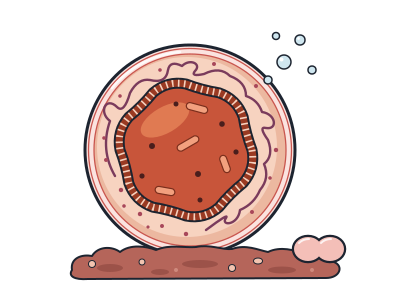
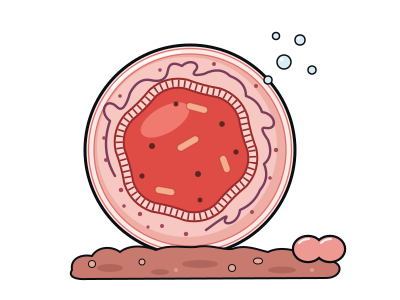
This tiny bacterium makes hydrazine, a powerful chemical used as rocket fuel. It belongs to the only group of living things known to do this. Hydrazine is poisonous to most life, so the bacterium makes it in a special room inside its cell. That room fills about half to two-thirds of the cell. It is wrapped in an unusually tight membrane that is thought to stop the poison leaking out.
The hydrazine never builds up. The bacterium gets its energy by joining two nitrogen chemicals, ammonium and nitrite, without using any oxygen. Hydrazine is just a step in the middle. At the end, what comes out is harmless nitrogen gas, the main gas in the air, plus water.
That makes it a quiet helper at sewage works. It was first described in 2000, from a slimy layer on a wastewater filter near Stuttgart, Germany. Treatment plants now use bacteria like it to remove nitrogen from dirty water. Compared with older methods, this can cut the cost by up to about 60%.
On this tree it shares a large branch with very different bacteria, including the germ behind stomach ulcers and a fibre-digesting gut bacterium. People often picture bacteria as simple bags. This one has rooms within rooms.
Bright red crowds
Large masses of these bacteria look bright red. That is because they are packed with iron-containing proteins, which make up a large share of all the protein in their cells.
In no hurry
One cell takes about one to three weeks to split into two. That is very slow for a bacterium, and it makes them tricky to use in treatment plants.
Ocean-sized job
Bacteria that do this same no-oxygen trick are thought to make about a third to half of all the nitrogen gas released in the oceans.
Next to it on the tree
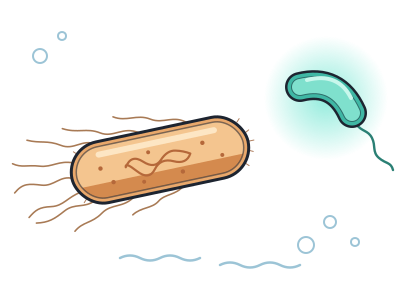
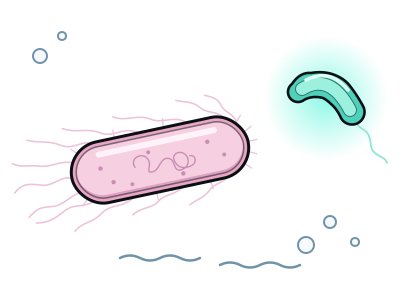
- ProteobacteriaThe most varied bacterial branch: gut dwellers, glowing squid partners, root helpers and our mitochondria's kin.
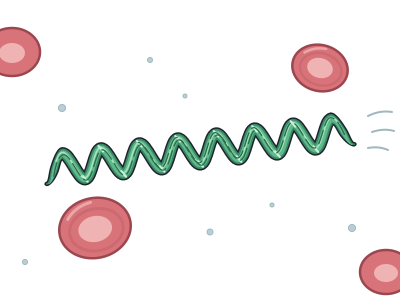
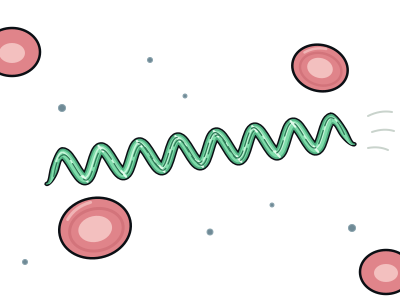
- Lyme disease spirochaeteA corkscrew-shaped bacterium that swims by twisting its whole body; ticks carry it between animals.
- Gut fibre-digesterA gut regular that breaks down plant fibre we cannot digest and shares the energy with us.
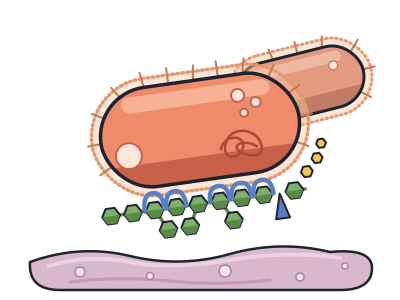
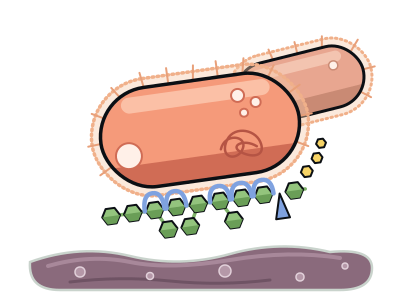
- Stomach ulcer bacteriumLives in the stomach's acid; a doctor drank it to prove it causes ulcers and later won a Nobel Prize.
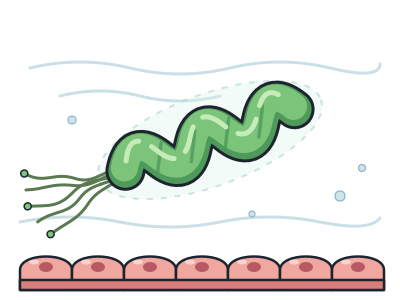
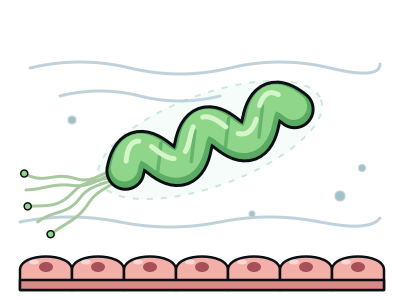
- Wolf-pack bacteriumHunts other microbes in swarms and, when food runs out, gathers by the thousand into tiny fruiting towers.
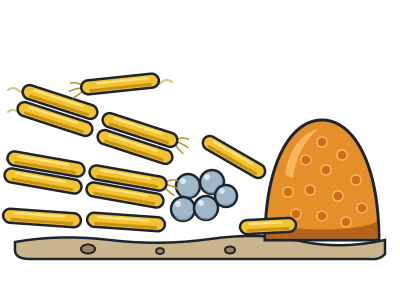
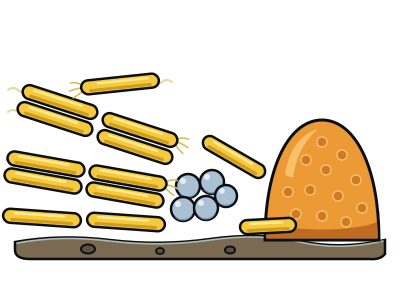
- Cable bacteriumThousands of cells link into centimetre-long living wires that carry electric current through sea mud.
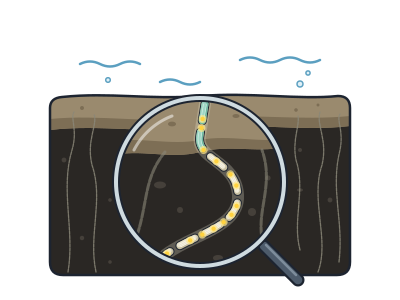
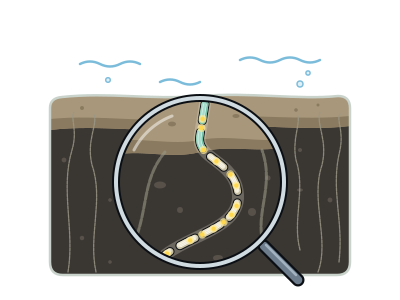
- Mucus-eating gut bacteriumGrazes on the mucus lining your gut, and may help keep that lining healthy and thick.