A species
Wolf-pack bacterium
Myxococcus xanthus
A soil bacterium that hunts in packs and builds tiny spore mounds when food runs out
You and the wolf-pack bacterium meet in the All life branch, shown at about 4.2 billion years ago (on 1 January, in a calendar from life's shared ancestor to today).
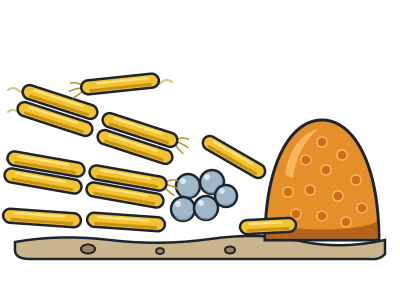
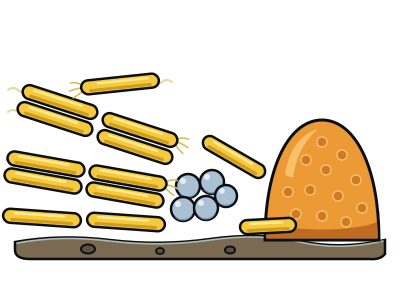
This soil bacterium hunts like a pack of wolves. Huge crowds of cells glide together over soil, rotting plants and dung, looking for other microbes to eat. Hunting as a crowd builds up the digestive chemicals the cells release. A swarm can spread several centimetres across, yet each cell is a thin rod about a hundredth as wide as a human hair.
It doesn't get inside its prey. The swarm moves into a colony of prey and breaks the cells open from the outside. It uses antibiotics, enzymes that dissolve cell walls, and tiny bubbles packed with killing chemicals. Then it feeds on what spills out. It eats many kinds of prey: other soil bacteria, cyanobacteria (which sit near it on this tree), germs that cause disease, and even yeasts and other fungi.
When food runs out, something remarkable happens. A hundred thousand or more cells stream together and, over a day or two, build a tiny round mound called a fruiting body. It's about as wide as a sheet of paper is thick. Inside, the rod-shaped cells turn into round, thick-walled, yellow-orange spores. Only about one cell in ten becomes a spore. Many of the others die, which probably feeds the survivors.
Rippling waves
When cells touch prey, they keep reversing direction. This makes the swarm form travelling waves that help it spread about 30 to 50% faster across its food.
Hard on its own kind
It doesn't only kill other species. It can also kill weaker cells of its own species, using a tiny injection device.
A big instruction book
Its genome is large for a bacterium: about 9.1 million DNA letters, and more than 90% of them code for proteins.
Next to it on the tree
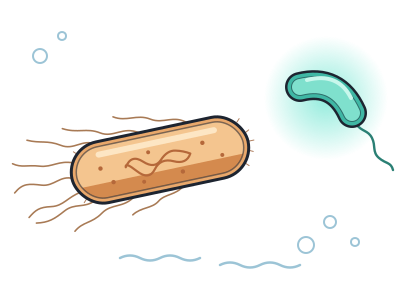
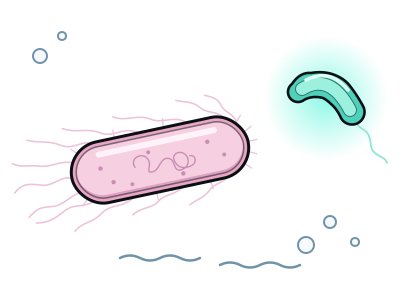
- ProteobacteriaThe most varied bacterial branch: gut dwellers, glowing squid partners, root helpers and our mitochondria's kin.
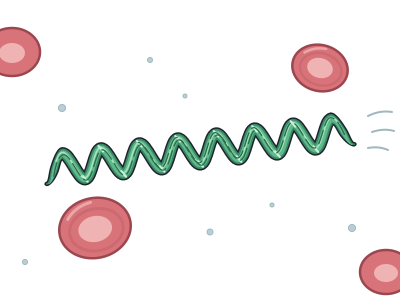
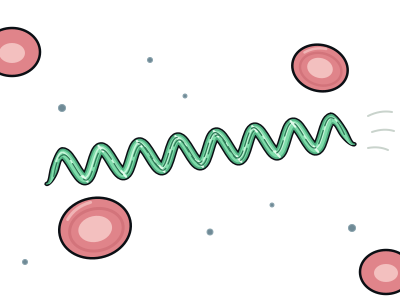
- Lyme disease spirochaeteA corkscrew-shaped bacterium that swims by twisting its whole body; ticks carry it between animals.
- Gut fibre-digesterA gut regular that breaks down plant fibre we cannot digest and shares the energy with us.
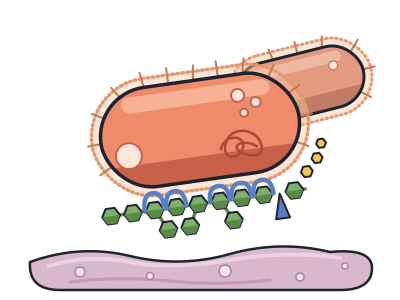
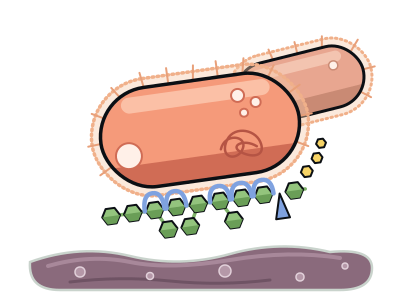
- Stomach ulcer bacteriumLives in the stomach's acid; a doctor drank it to prove it causes ulcers and later won a Nobel Prize.
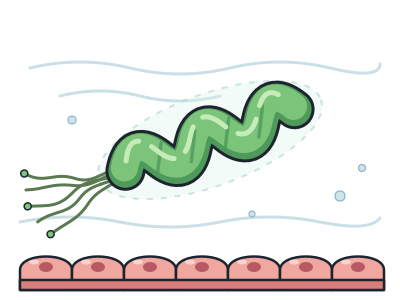
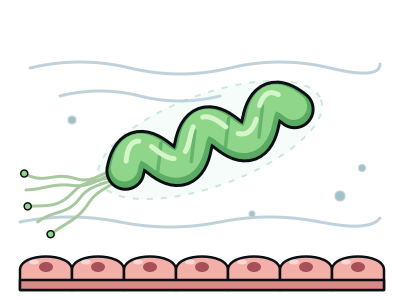
- Cable bacteriumThousands of cells link into centimetre-long living wires that carry electric current through sea mud.
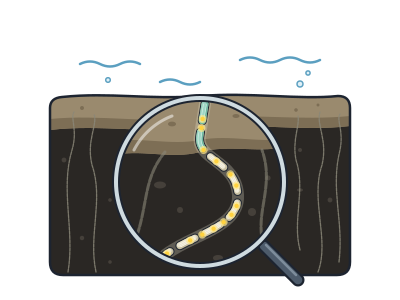
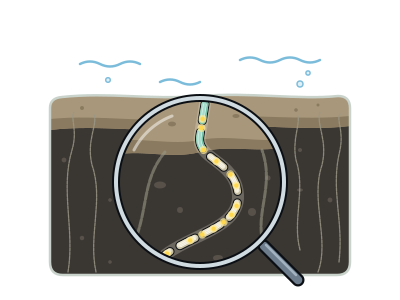
- Mucus-eating gut bacteriumGrazes on the mucus lining your gut, and may help keep that lining healthy and thick.
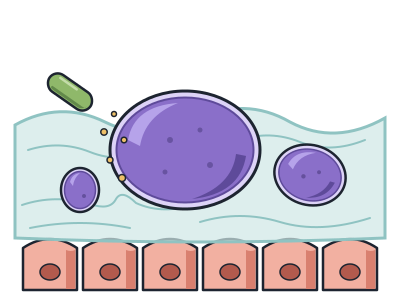
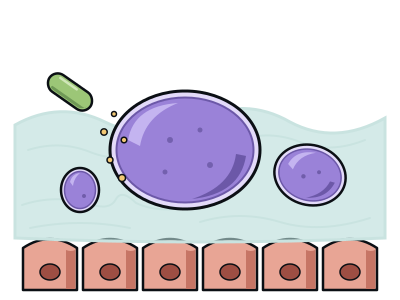
- Rocket-fuel bacteriumMakes hydrazine, a rocket fuel, inside a special compartment, and quietly cleans nitrogen from sewage.