A group of living things
Elephants, sea cows and hyraxes
Paenungulata
An elephant’s family includes some surprising faces.
This branch is shown at about 62 million years ago; its age is a rough estimate.
You and elephants, sea cows and hyraxes meet in the Placental mammals branch, shown at about 95 million years ago (on 23 December, in a calendar from life's shared ancestor to today).
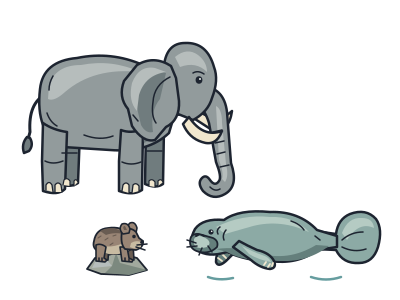
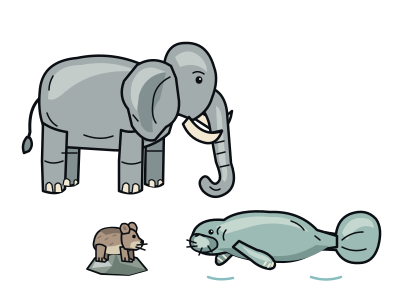
The elephant’s closest living relatives include sea cows and the rabbit-sized hyrax. A rock hyrax may look like a rabbit or guinea pig, but appearances hide its place in the family. Living members of this group belong to three branches: elephants, hyraxes and sea cows. Sea cows include both manatees and dugongs.
DNA evidence strongly supports bringing these very different animals together on the tree of life. Looking alike is not always a reliable guide to belonging to the same family.
Their teeth offer some fascinating comparisons. Elephant tusks are enlarged front teeth, not horns. Rock hyraxes have upper front teeth that keep growing and look like tiny tusks. Elephants and manatees also replace worn chewing teeth with new ones that move forwards from the back of the jaw. Manatees keep this tooth-replacement system working throughout their lives.
A trunk has no bones
An elephant’s trunk combines its nose and upper lip.
Ready to move
Rock hyrax young are born fully furred, with their eyes open, and become mobile soon after birth.
Air-breathing swimmers
Manatees spend their lives in water but must surface to breathe air.
Inside elephants, sea cows and hyraxes
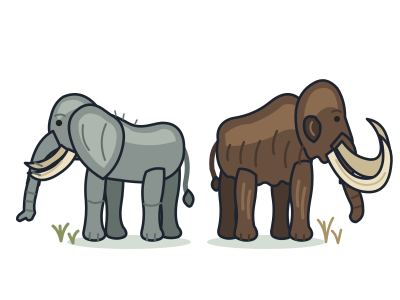
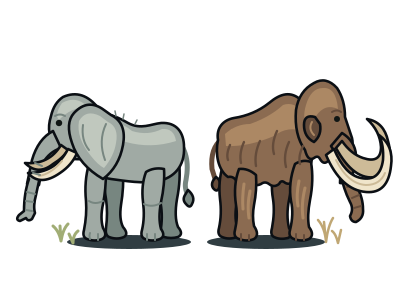
- Elephants and mammothsMammoths were closer to Asian elephants than to African ones.
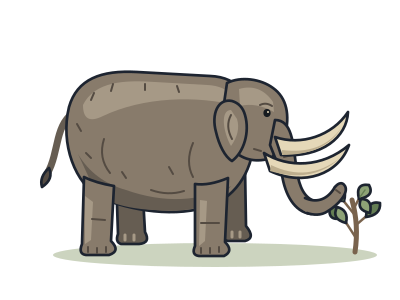
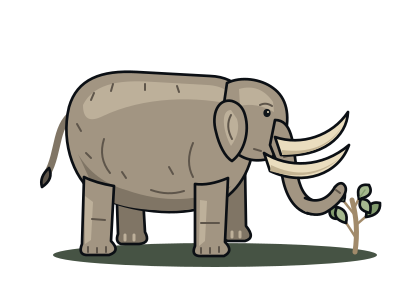
- American mastodonA distant elephant relative whose teeth and stomach contents reveal a taste for woody plants.
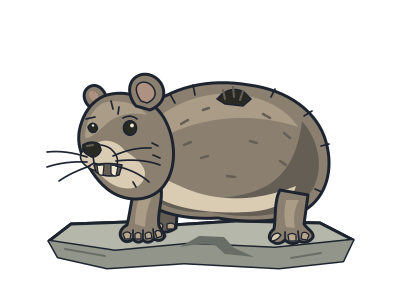
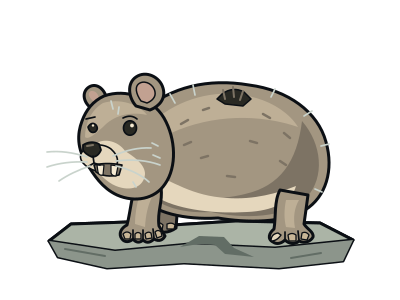
- Rock hyraxLooks like a big guinea pig, but its toes and teeth link it to elephants.
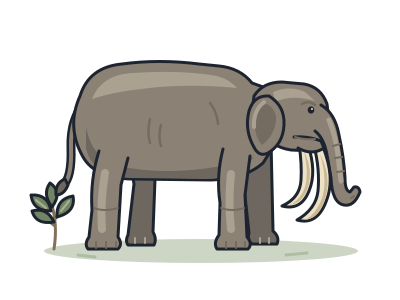
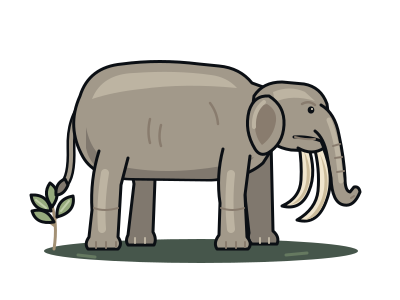
- DeinotheriumA giant elephant relative with tusks that curved down from its lower jaw.
- Sea cowsAquatic mammals specialised for grazing plants; manatees and dugongs have very different tails.
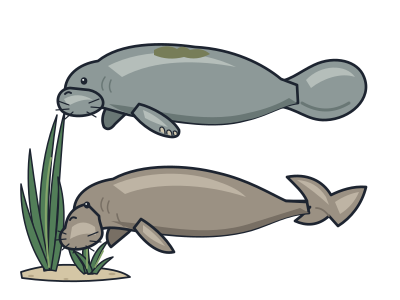
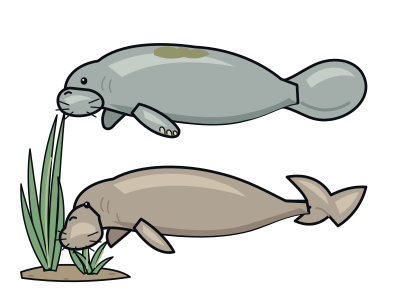
- PlatybelodonAn elephant relative with flat, shovel-like lower tusks used to strip and cut plants.
Next to it on the tree
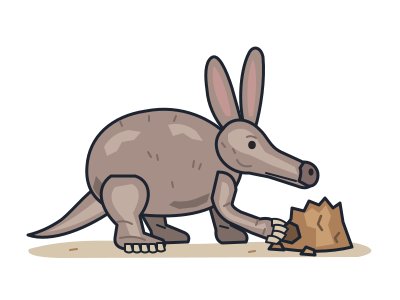
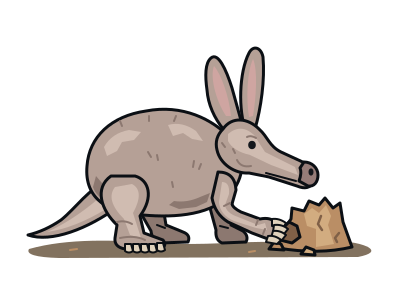
- AardvarkAn "earth pig" that digs into termite mounds; the only survivor of its whole order.
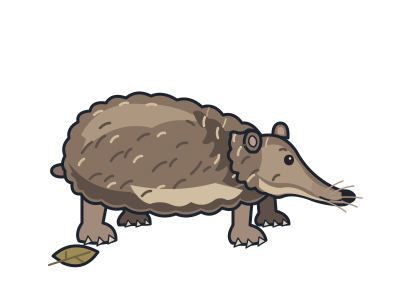
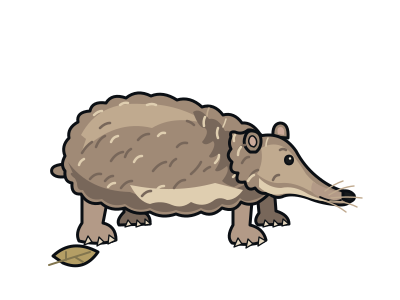
- Common tenrecA Madagascar hedgehog look-alike that is really a cousin of elephants.
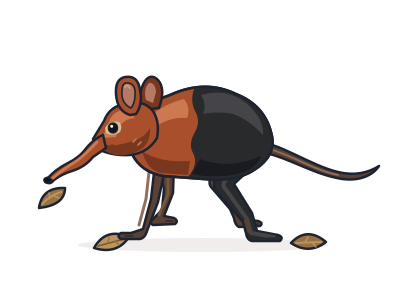
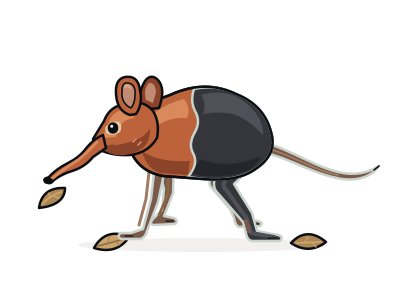
- Black-and-rufous sengiAn "elephant shrew" with a twitchy trunk-like nose, really a cousin of elephants.
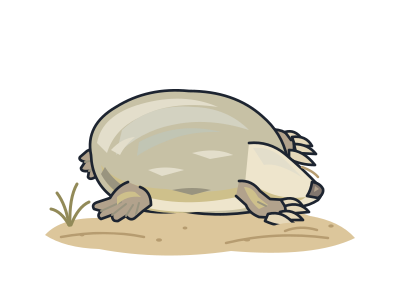
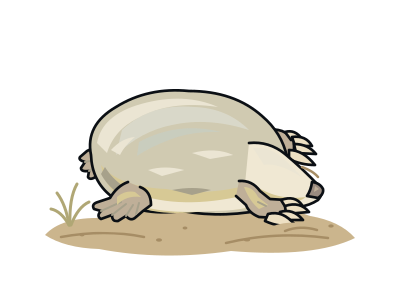
- Grant's golden moleA blind desert mole that "swims" through sand and has an iridescent coat.