A group of living things
African mammals
Afrotheria
An elephant and a tenrec belong to the same surprising family.
This branch is shown at about 75 million years ago; its age is a rough estimate.
You and african mammals meet in the Placental mammals branch, shown at about 95 million years ago (on 23 December, in a calendar from life's shared ancestor to today).
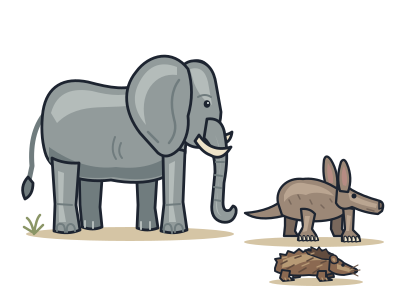
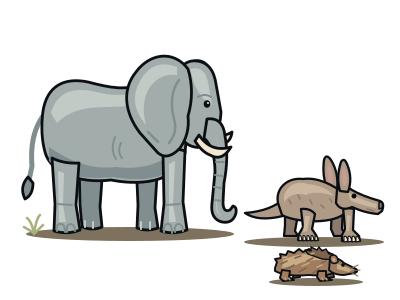
An elephant, a manatee, an aardvark and a tenrec hardly look like family. Yet evidence from their genes strongly supports a shared African ancestor. This branch also includes hyraxes, sengis and golden moles. Here, “African mammals” means a family-tree branch, not every mammal living in Africa. Some members, including Asian elephants, live elsewhere today.
Their bodies suit very different lives. African savanna elephants are the largest living land mammals. An elephant’s tusks are enlarged front teeth, not horns. An aardvark usually searches for ants and termites at night, gathering them with a long, sticky tongue. Family membership does not mean every member has the same equipment.
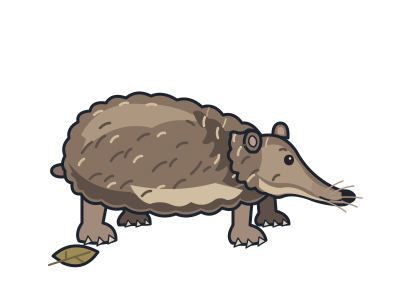
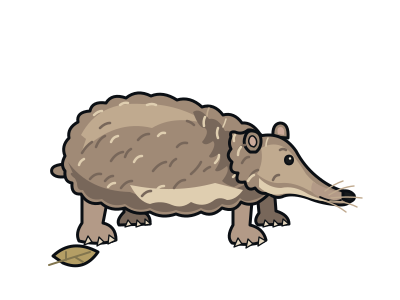
The common tenrec offers another contrast. Its small body has coarse hairs and blunt spines. Adults have a mane of stiff, long hairs. During the cool, dry season, common tenrecs spend long periods inactive in burrows when food is scarce. From giant elephants to small tenrecs, this family shows how different relatives can become.
A boneless trunk
An elephant’s trunk combines its nose and upper lip. It contains no bones.
Different toe counts
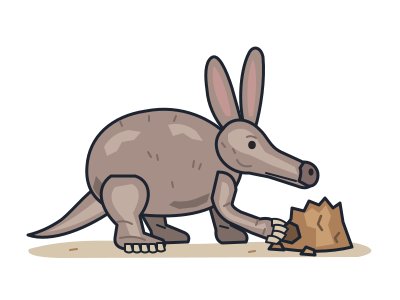
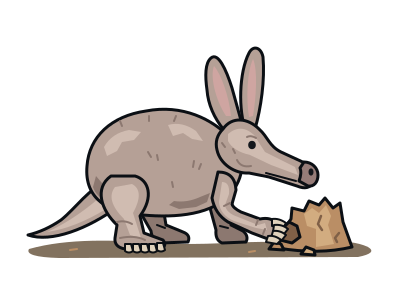
Aardvarks have four toes on each front foot and five on each back foot.
Following mum
Young common tenrecs begin following their mother to find food at about three weeks old, often walking in a line.
Inside african mammals
- Elephants, sea cows and hyraxesThe elephant's closest living relatives are sea cows and the rabbit-sized hyrax.
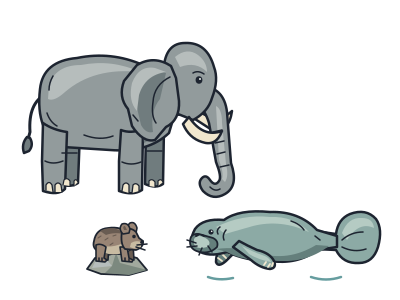
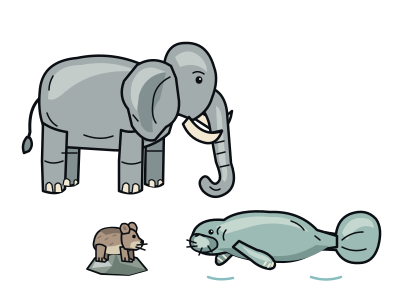
- AardvarkAn "earth pig" that digs into termite mounds; the only survivor of its whole order.
- Common tenrecA Madagascar hedgehog look-alike that is really a cousin of elephants.
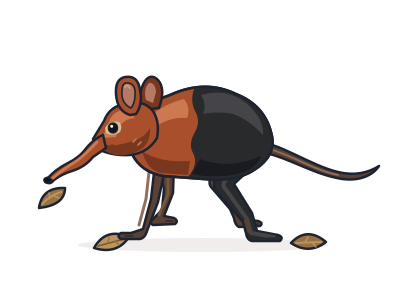
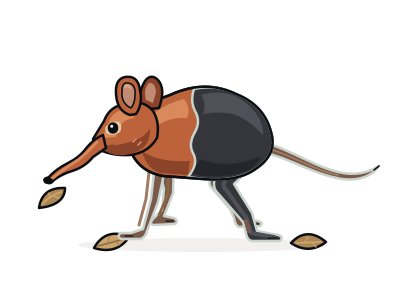
- Black-and-rufous sengiAn "elephant shrew" with a twitchy trunk-like nose, really a cousin of elephants.
- Grant's golden moleA blind desert mole that "swims" through sand and has an iridescent coat.
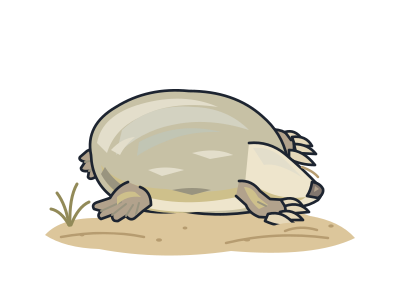
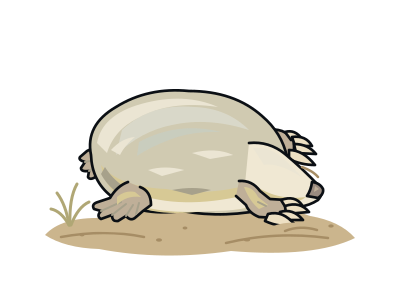
Next to it on the tree
- Primates, rodents and rabbitsYour branch of the mammals: a mouse is a closer cousin of yours than a dog is.
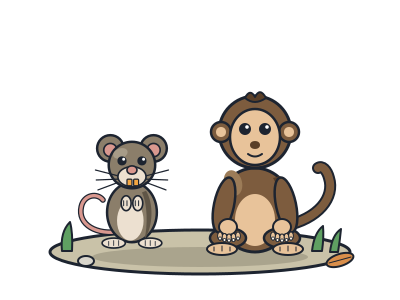
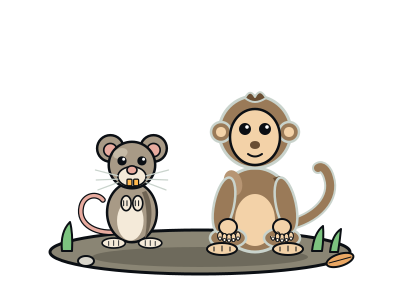
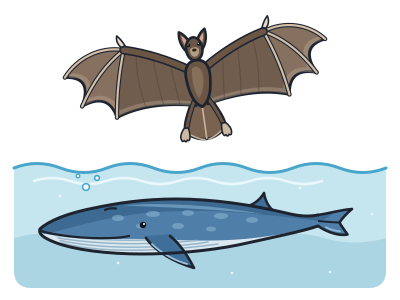
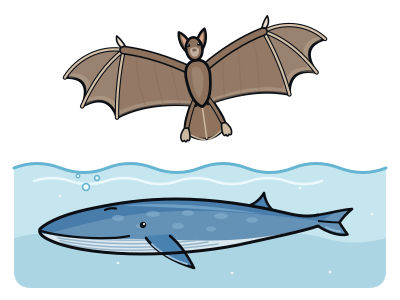
- Bats, carnivores and hoofed mammalsA surprising family: bats, cats, horses and whales share one ancestor.
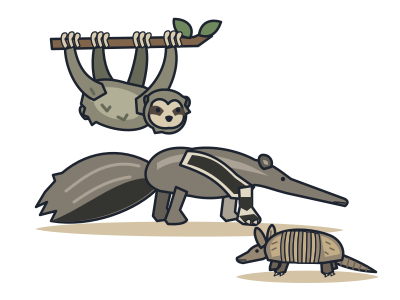
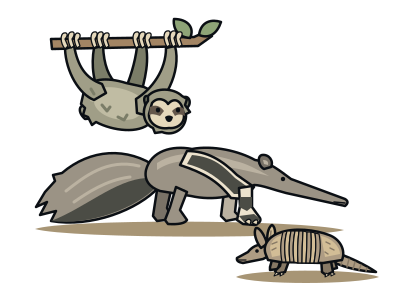
- Sloths, anteaters and armadillosSloths, anteaters and armadillos share ancestry in a branch named for extra spinal joints.