A species
Aardvark
Orycteropus afer
An earth pig with a branch of the mammal tree all to itself.
You and the aardvark meet in the Placental mammals branch, shown at about 95 million years ago (on 23 December, in a calendar from life's shared ancestor to today).
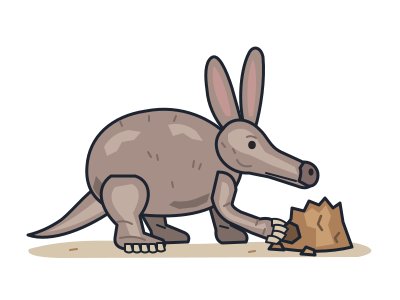
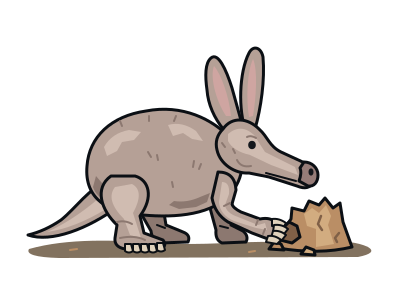
The aardvark is an “earth pig” that digs into termite mounds—and the only living species in its whole order, a major branch of the mammal family tree. Its name means “earth pig” in Afrikaans, but it does not belong to the pig family. Its wider family group includes elephants, sea cows, hyraxes, sengis, golden moles and tenrecs. These relatives look remarkably different from one another.
Powerful legs and digging claws break open termite mounds. Its tongue can reach about 30 centimetres long—as long as a school ruler—and collects insects with sticky saliva. Ants and termites make up almost all its food. Despite their similar feeding equipment, aardvarks and anteaters are not close relatives.
An aardvark usually lives alone, searching for food at night and spending much of the day underground. Across much of Africa south of the Sahara, it needs both insects to eat and soil suitable for digging.
Close the nose
An aardvark can close its nostrils to keep insects out while feeding.
A nest underground
Blue swallows sometimes build their nests inside aardvark burrows.
Local pressures
Habitat loss from farming, roads and settlements, together with hunting, threatens aardvarks in parts of their range.
Next to it on the tree
- Elephants, sea cows and hyraxesThe elephant's closest living relatives are sea cows and the rabbit-sized hyrax.
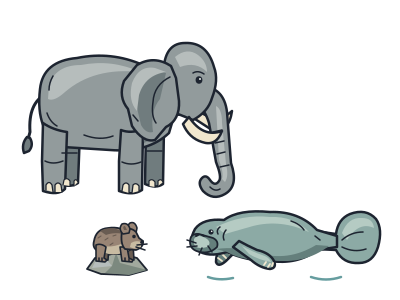
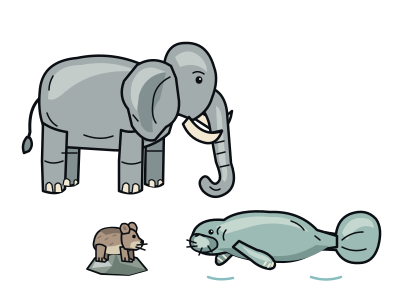
- Common tenrecA Madagascar hedgehog look-alike that is really a cousin of elephants.
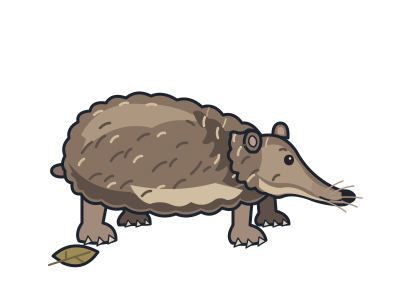
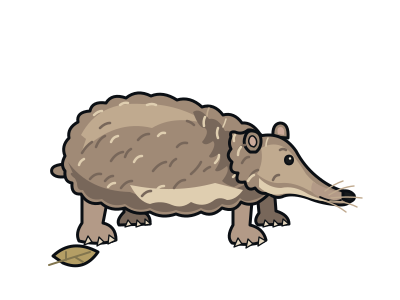
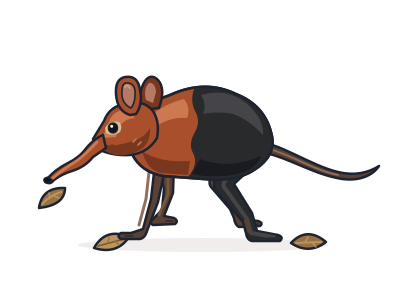
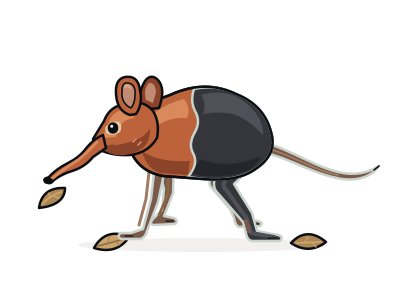
- Black-and-rufous sengiAn "elephant shrew" with a twitchy trunk-like nose, really a cousin of elephants.
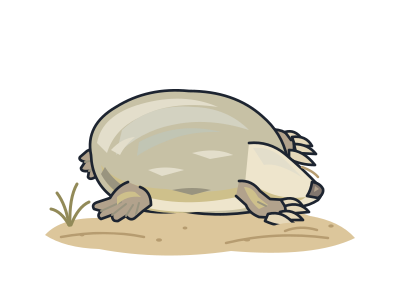
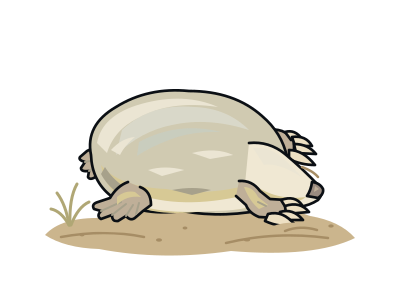
- Grant's golden moleA blind desert mole that "swims" through sand and has an iridescent coat.