A species
Common tenrec
Tenrec ecaudatus
A hedgehog look-alike with elephant cousins.
You and the common tenrec meet in the Placental mammals branch, shown at about 95 million years ago (on 23 December, in a calendar from life's shared ancestor to today).
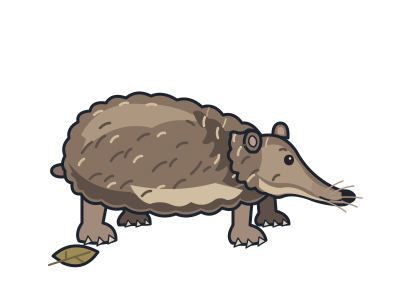
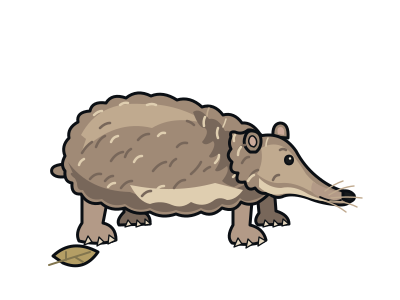
Madagascar's common tenrec looks rather like a hedgehog, yet it is more closely related to elephants than to hedgehogs. Its wider family also includes sea cows, hyraxes, aardvarks, sengis and golden moles. Looking alike does not always mean being close relatives: tenrecs and hedgehogs evolved their protective spines separately. This is called convergent evolution—similar solutions arising independently.
This shaggy mammal has coarse hair mixed with spines, rather than a hedgehog's dense, even covering. A long, pointed snout and sensitive whiskers help it explore cracks in logs and rocks for food. It is mainly active at night, relying strongly on smell and hearing. Its meals are mostly small animals without backbones, but it also eats fruit, other plant material, frogs and reptiles.
At about three weeks old, young tenrecs begin following their mother in a line as she searches for food. When threatened, a common tenrec can raise its shaggy mane and hiss or squeak.
Swimming for supper
Common tenrecs have been observed swimming through rice fields while searching for food.
Bristles that make sounds
Young tenrecs can make sounds by rubbing specialised bristles together on their backs.
A seasonal retreat
It spends a prolonged inactive season in a plugged burrow, saving energy when conditions are unfavourable.
Next to it on the tree
- Elephants, sea cows and hyraxesThe elephant's closest living relatives are sea cows and the rabbit-sized hyrax.
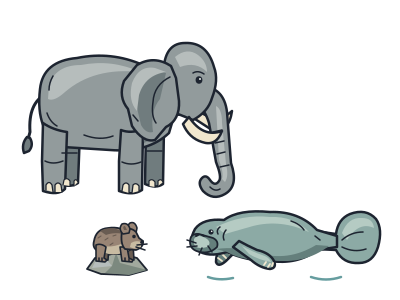
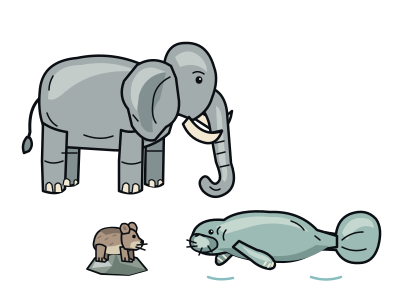
- AardvarkAn "earth pig" that digs into termite mounds; the only survivor of its whole order.
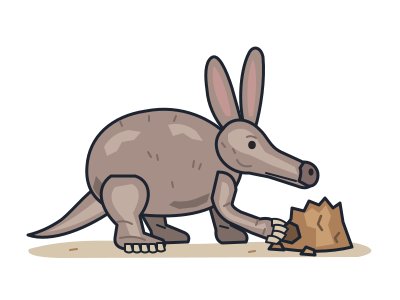
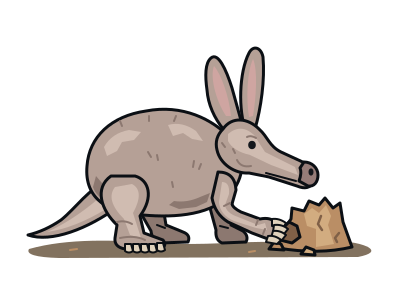
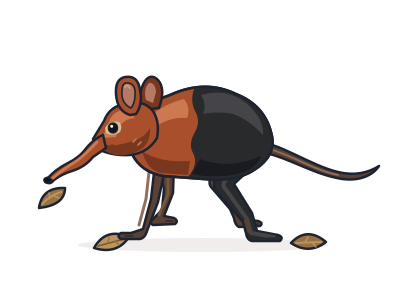
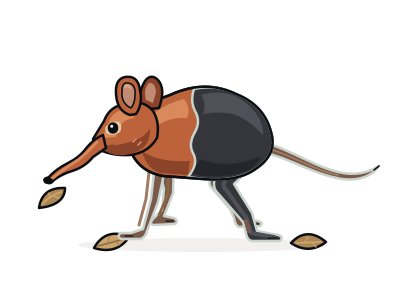
- Black-and-rufous sengiAn "elephant shrew" with a twitchy trunk-like nose, really a cousin of elephants.
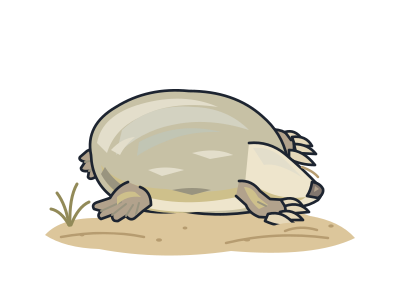
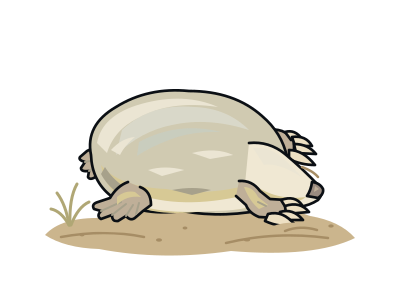
- Grant's golden moleA blind desert mole that "swims" through sand and has an iridescent coat.