A species
Black-and-rufous sengi
Rhynchocyon petersi
A twitchy nose, and an unexpected elephant connection.
You and the black-and-rufous sengi meet in the Placental mammals branch, shown at about 95 million years ago (on 23 December, in a calendar from life's shared ancestor to today).
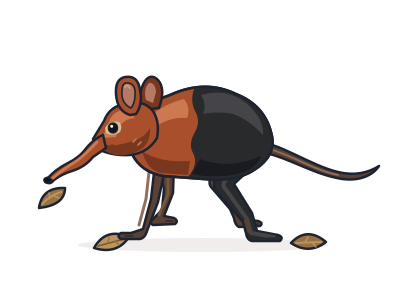
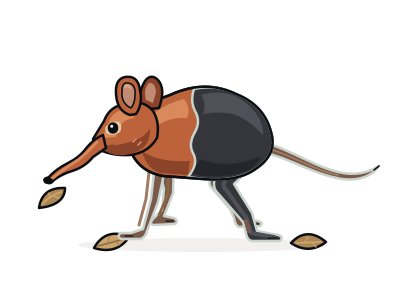
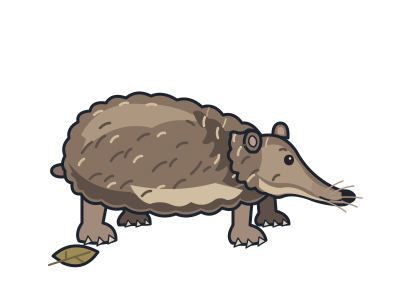
With its twitchy, trunk-like nose, the black-and-rufous sengi has a surprisingly fitting nickname: elephant shrew. It is more closely related to elephants than to true shrews, and it is not a rodent either. It belongs to a wider African mammal group that also includes sea cows, hyraxes, aardvarks, golden moles and tenrecs. Evidence from DNA helped reveal this unlikely family connection.
This small mammal lives on the ground in dense forests and shrublands in south-eastern Kenya and eastern Tanzania. Its reddish-brown front half contrasts with its black rear half. Its body is nearly a school ruler long, with a slender tail that can add almost another ruler’s length.
A flexible snout searches through fallen leaves, while a long tongue gathers small animals to eat. Beetles, ants and centipedes are on the menu. Its back legs are longer than its front legs, helping it run quickly from danger. Forest clearance for logging and farming threatens the habitat where it feeds and shelters.
Daytime explorer
It is active during daylight.
A leafy bed
At night, it sleeps in a nest made from leaves and twigs.
Small families
Females usually give birth to one or two young.
Next to it on the tree
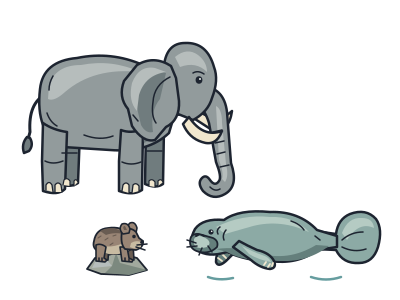
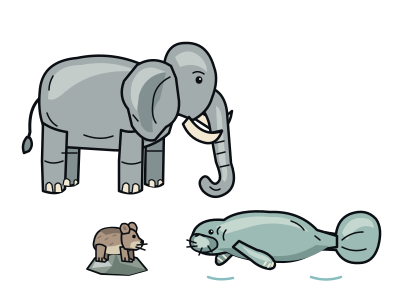
- Elephants, sea cows and hyraxesThe elephant's closest living relatives are sea cows and the rabbit-sized hyrax.
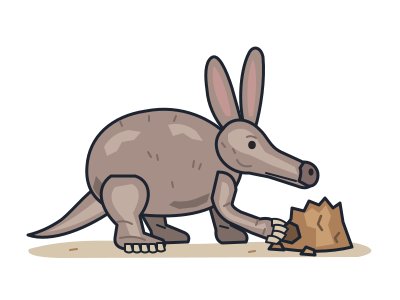
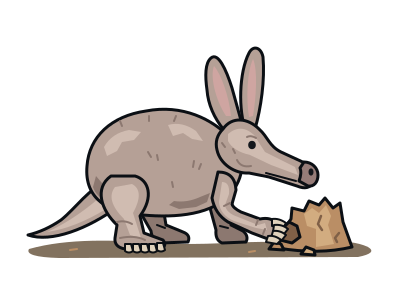
- AardvarkAn "earth pig" that digs into termite mounds; the only survivor of its whole order.
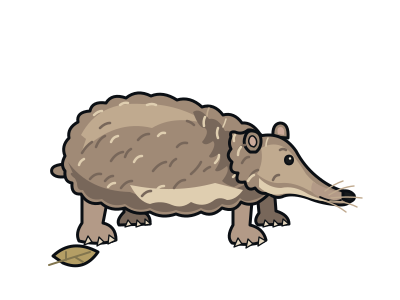
- Common tenrecA Madagascar hedgehog look-alike that is really a cousin of elephants.
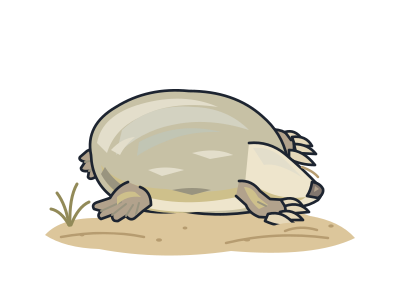
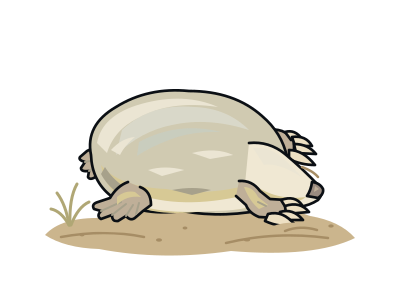
- Grant's golden moleA blind desert mole that "swims" through sand and has an iridescent coat.