A group of living things
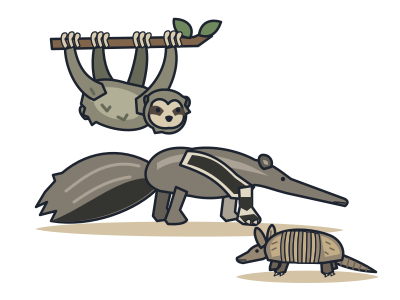
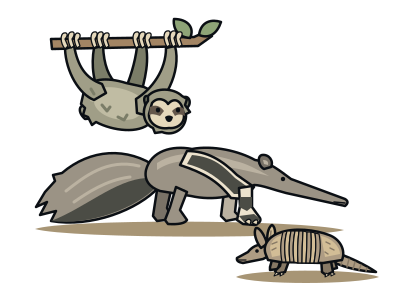
Sloths, anteaters and armadillos
Xenarthra
Three surprising relatives from a South American branch.
This branch is shown at about 66 million years ago; its age is a rough estimate.
You and sloths, anteaters and armadillos meet in the Placental mammals branch, shown at about 95 million years ago (on 23 December, in a calendar from life's shared ancestor to today).
A tree-climbing sloth, a long-snouted anteater and an armoured armadillo share a surprising family connection. Fossils suggest their branch began in South America. It is named after extra joints between bones towards the back of their ancestors’ spines. These were extra connections, not extra bones, and not every living member has kept them.
Within this family, sloths and anteaters are more closely related to each other than either is to armadillos. Their meals look very different, though. Living sloths feed on plants and spend almost all their time in trees. Giant anteaters mainly eat ants and termites, opening nests with strong front limbs and claws. Armadillos eat insects, with some also eating plants and small animals.
Their native living members are found only in the Americas. Despite their different lifestyles, they generally use less energy than other mammals of similar size. Their body temperatures also tend to be lower and more variable.
Not all toothless
Anteaters have no teeth, but sloths and armadillos have simple teeth that keep growing.
A special way to curl up
Only three-banded armadillos can close themselves into a protective ball. Most other armadillos escape by running or digging.
A ride with mum
A young giant anteater rides on its mother’s back for months.
Inside sloths, anteaters and armadillos
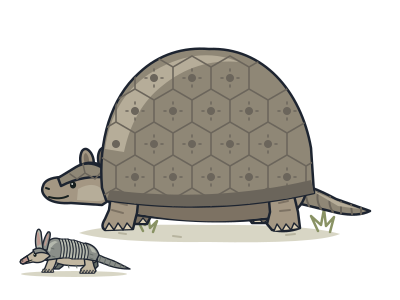
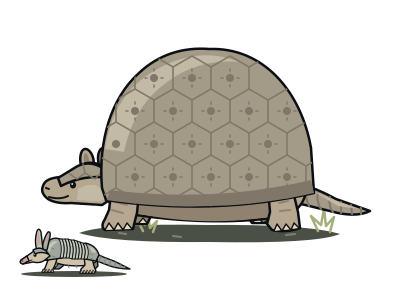
- Armadillos and glyptodontsCar-sized glyptodonts turn out to be giant armadillos, according to ancient DNA.
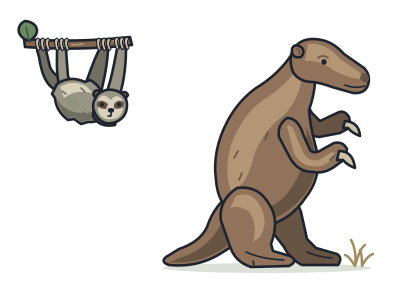
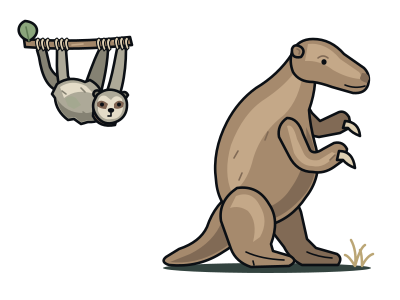
- SlothsTree sloths evolved twice: two-toed and three-toed sloths are not each other's closest kin.
- AnteatersToothless ant specialists that range from the giant anteater to a squirrel-sized tree climber.
Next to it on the tree
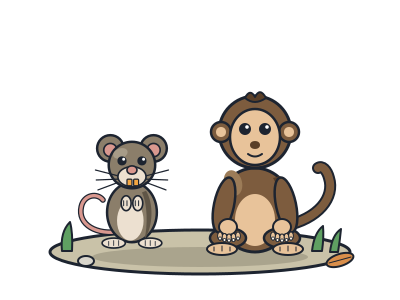
- Primates, rodents and rabbitsYour branch of the mammals: a mouse is a closer cousin of yours than a dog is.
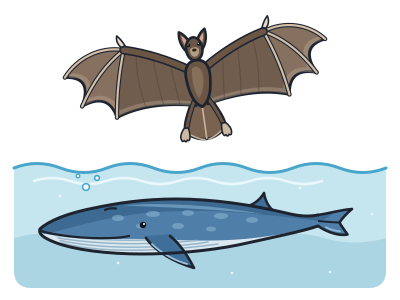
- Bats, carnivores and hoofed mammalsA surprising family: bats, cats, horses and whales share one ancestor.
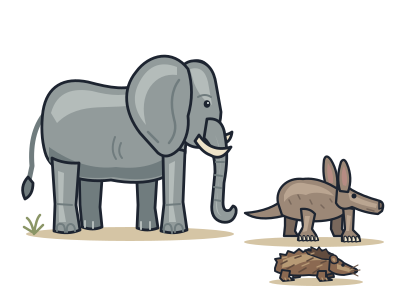
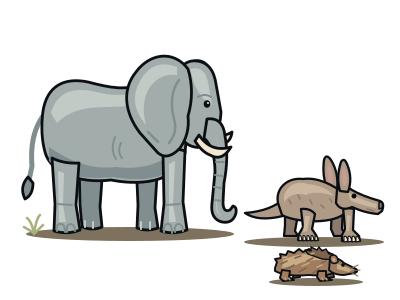
- African mammalsElephants, manatees, aardvarks and tenrecs look nothing alike, yet share an African ancestor.