A group of living things
Elephants and mammoths
Elephantidae
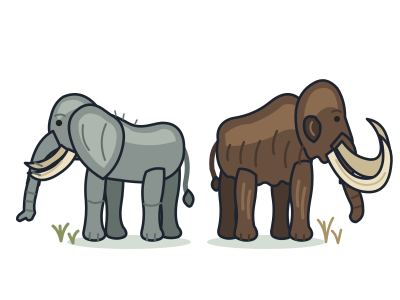
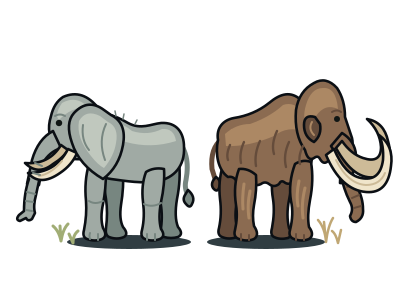
Mammoths were closer kin to Asian elephants than African ones.
This branch is shown at about 7 million years ago; its age is a rough estimate.
You and elephants and mammoths meet in the Placental mammals branch, shown at about 95 million years ago (on 23 December, in a calendar from life's shared ancestor to today).
Mammoths were more closely related to Asian elephants than to African elephants. DNA recovered from ancient remains helped scientists settle this surprising family connection. Mammoths did not turn into today’s elephants: they were relatives on another branch of the same family.
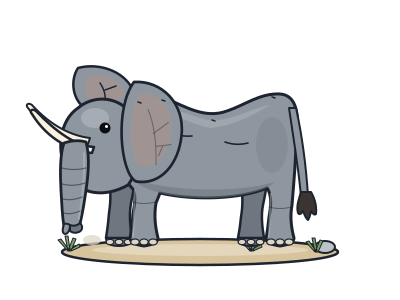
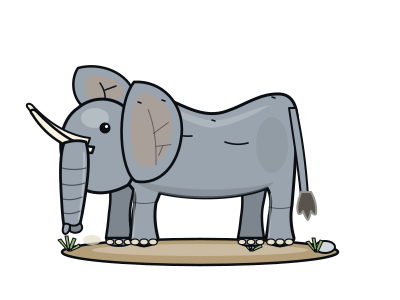
Living elephants have a remarkable tool on their faces. The trunk combines the nose and upper lip, yet contains no bones. Elephants use it to pick things up, rather like a hand. Three species survive: African bush elephants, African forest elephants and Asian elephants. Asian elephants inhabit forests and scrub in South and Southeast Asia.
Woolly mammoths had high shoulders, sloping backs, small ears and strongly curling tusks. They were broadly similar in size to living elephants, rather than giants towering above them. Their appearance is not based on bones alone: rare frozen bodies preserve skin and hair, giving direct evidence of their shaggy coats.
Not a drinking straw
Elephants draw water into their trunks, then pour it into their mouths.
Replacement grinders
Elephants can use up to six sets of grinding teeth during life. New teeth move forwards from the back of the jaw.
A plant menu
Living elephants eat grasses, leaves, bark, roots and fruit.
Inside elephants and mammoths
- African bush elephantThe largest land animal; its nearest living relatives include manatees and hyraxes.
- Woolly mammothA shaggy ice-age elephant; a few survived on an Arctic island until the pyramids were built.
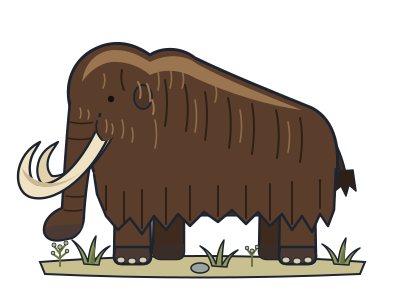
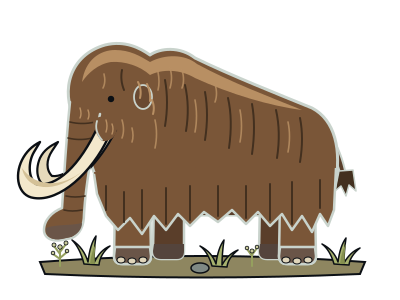
- Asian elephantSmaller ears than the African elephant, and the mammoth's closest living relative.
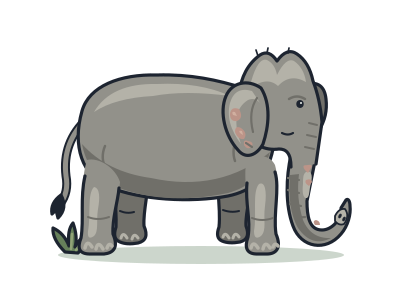
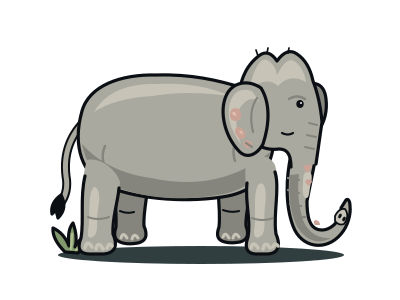
- African forest elephantA smaller elephant with straighter tusks, recognised as a separate species from the bush elephant.
- Columbian mammothA mammoth taller than African elephants that lived in warmer North America, not the frozen north.
- Sicilian dwarf elephantAn island elephant less than a metre tall, about the size of a large dog.
Next to it on the tree
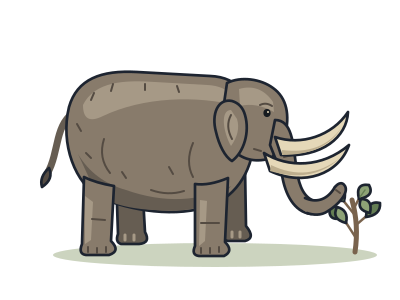
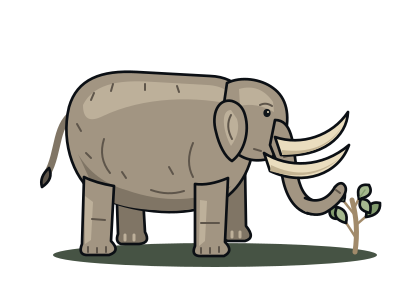
- American mastodonA distant elephant relative whose teeth and stomach contents reveal a taste for woody plants.
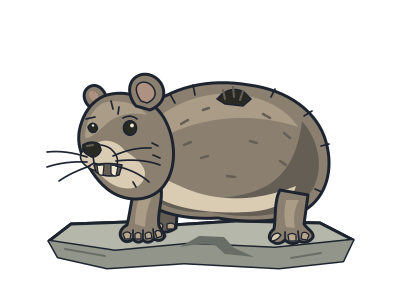
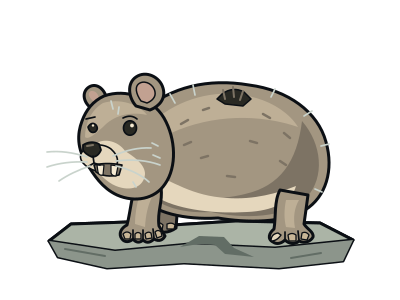
- Rock hyraxLooks like a big guinea pig, but its toes and teeth link it to elephants.
- DeinotheriumA giant elephant relative with tusks that curved down from its lower jaw.
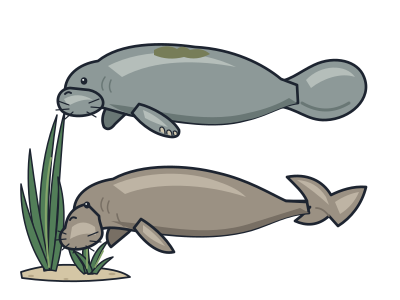
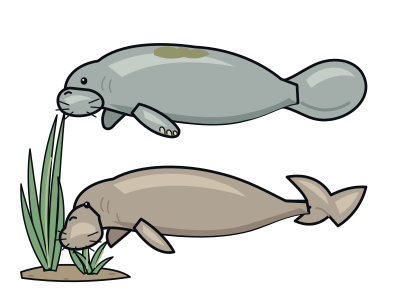
- Sea cowsAquatic mammals specialised for grazing plants; manatees and dugongs have very different tails.
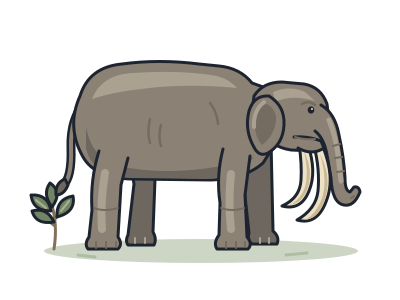
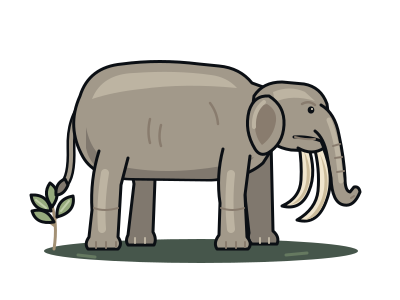
- PlatybelodonAn elephant relative with flat, shovel-like lower tusks used to strip and cut plants.