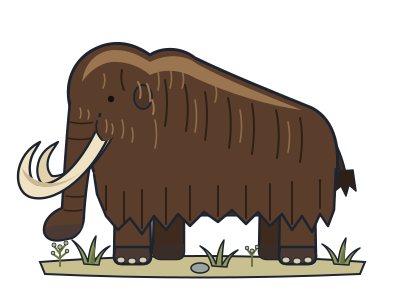
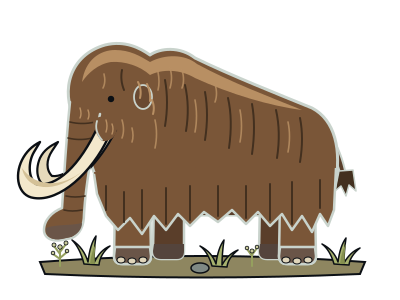
An extinct species
Woolly mammoth †
Mammuthus primigenius
A shaggy ice-age elephant that outlasted the building of the pyramids
Lived about 700,000–4,000 years ago.
You and the woolly mammoth meet in the Placental mammals branch, shown at about 95 million years ago (on 23 December, in a calendar from life's shared ancestor to today).
The woolly mammoth was a shaggy elephant of the ice ages. It lived from about 700,000 years ago until about 4,000 years ago. Most mammoths on the mainland died out roughly 10,000 to 12,000 years ago. But a small group lived on at Wrangel Island, off Siberia, until about 4,000 years ago. By then, Egypt's Great Pyramid had already been built.
It was not the ancestor of today's elephants. It was their cousin. Surprisingly, its closest living relative is the Asian elephant, not the African elephant. Grown males stood about 3 metres tall at the shoulder, close to the height of an African elephant or a little shorter, and weighed about 4.5 to 6 tonnes.
Scientists have found whole frozen bodies with skin and hair, so we know a lot about how it looked. On its sides and belly, long, coarse hair up to about 90 cm long hung over thick, woolly underfur. Under the skin was a layer of fat up to about 10 cm thick. Its ears and tail were small, which scientists think helped it lose less heat and avoid frostbite.
Mammoths did not live in a world of ice. Most grazed on the cold, dry 'mammoth steppe', which stretched from Spain and Britain across Siberia to Alaska.
Baby Lyuba
In 2007 a reindeer herder in Siberia found a frozen calf, now called Lyuba. She was about a month old and lived about 42,000 years ago. She is the most complete mammoth ever found, and there was still milk in her stomach.
Drawn by ice-age artists
More than 500 pictures of mammoths are known from caves in France, Spain and Russia. Among animals in ice-age art, only horses and bison were drawn more often.
Record-breaking DNA
In 2021 scientists read DNA from Siberian mammoth teeth more than a million years old. At the time it was the oldest DNA ever read. It showed that the woolly mammoth's ancestor already had many of the gene versions that helped with hair growth, storing fat and coping with cold.
Next to it on the tree
- African bush elephantThe largest land animal; its nearest living relatives include manatees and hyraxes.
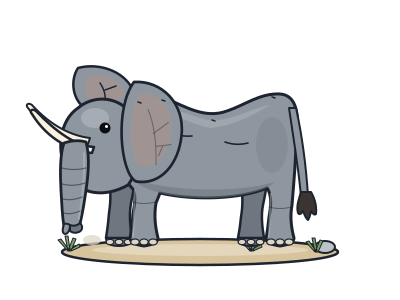
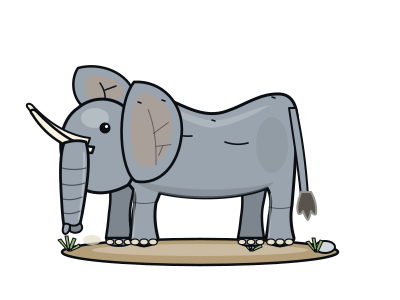
- Asian elephantSmaller ears than the African elephant, and the mammoth's closest living relative.
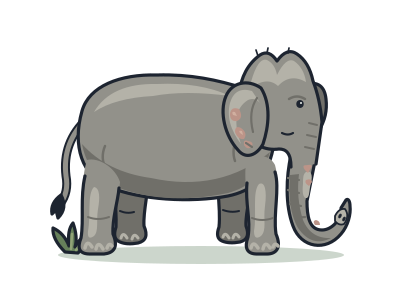
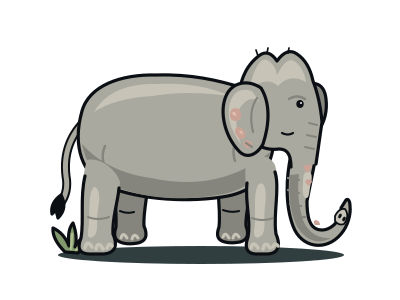
- African forest elephantA smaller elephant with straighter tusks, recognised as a separate species from the bush elephant.
- Columbian mammothA mammoth taller than African elephants that lived in warmer North America, not the frozen north.
- Sicilian dwarf elephantAn island elephant less than a metre tall, about the size of a large dog.