A species
Rock hyrax
Procavia capensis
Guinea-pig looks, elephant family ties.
You and the rock hyrax meet in the Placental mammals branch, shown at about 95 million years ago (on 23 December, in a calendar from life's shared ancestor to today).
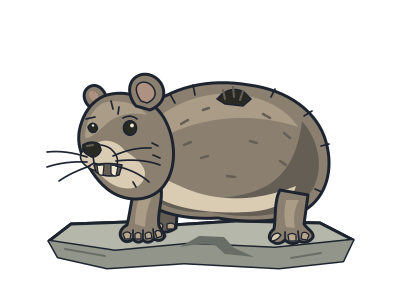
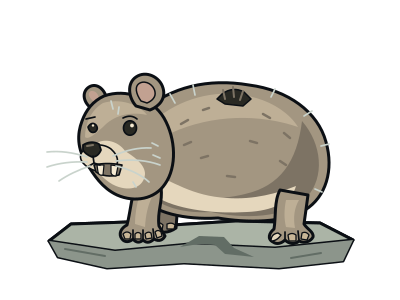
The rock hyrax looks like a big guinea pig, but its toes and teeth hint at a surprising family connection: elephants. It belongs to the same mammal branch as elephants and sea cows, not rodents. Its upper front teeth keep growing into small tusks, and most toes have rounded, hoof-like nails. DNA supports this family link too. A hyrax is a separate living relative, not an elephant ancestor.
Across much of Africa and parts of the Middle East, rock hyraxes live among boulders, cliffs and rocky outcrops. Black, rubbery foot pads stay moist with sweat, helping them grip rock. They shelter in cracks and cavities rather than digging their own burrows. These rocky hideaways are central to their lives.
Rock hyraxes live in groups, sharing sleeping places and heading out to feed together. They are mostly active by day and seldom leave shelter in rainy weather. Basking in sunshine, huddling together and taking long rests help them manage their body temperature.
Ready to move
Newborns already have fur and open eyes. They usually become mobile within their first day.
Whiskers beyond the face
Extra-long hairs scattered through the coat help a hyrax feel its surroundings, much like a cat’s whiskers.
A warning to neighbours
Calls include whistles, grunts and shrieks. Alarm calls send other group members into cover.
Next to it on the tree
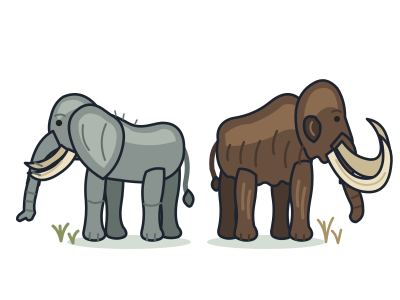
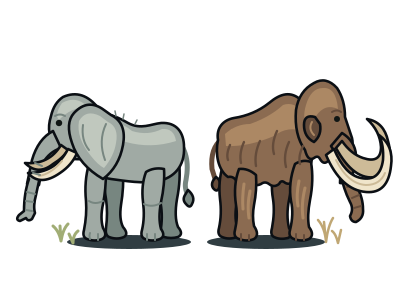
- Elephants and mammothsMammoths were closer to Asian elephants than to African ones.
- American mastodonA distant elephant relative whose teeth and stomach contents reveal a taste for woody plants.
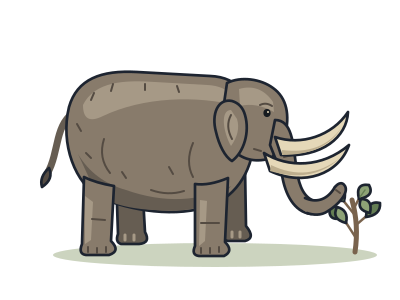
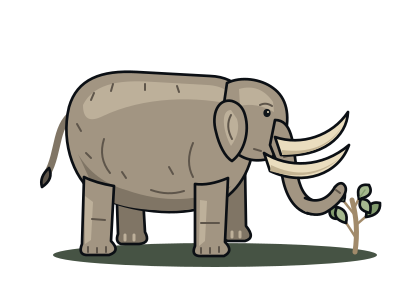
- DeinotheriumA giant elephant relative with tusks that curved down from its lower jaw.
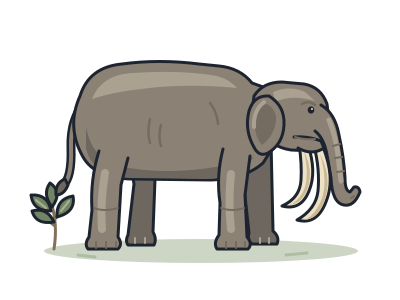
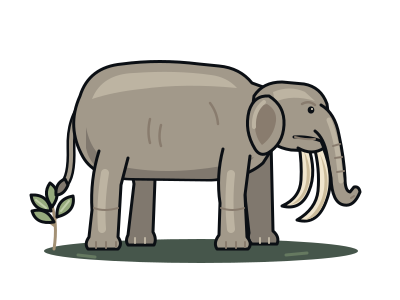
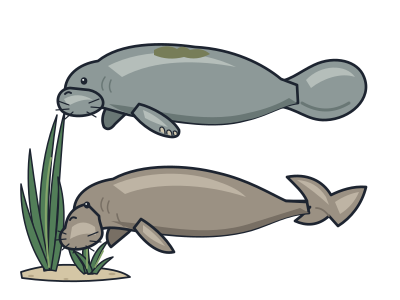
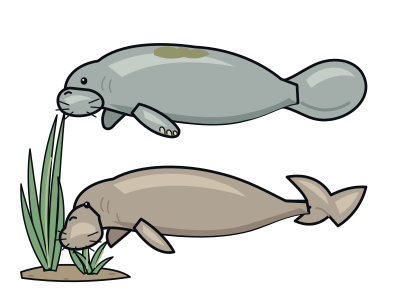
- Sea cowsAquatic mammals specialised for grazing plants; manatees and dugongs have very different tails.
- PlatybelodonAn elephant relative with flat, shovel-like lower tusks used to strip and cut plants.