A species
Desert moss
Syntrichia caninervis
A tiny moss that dries to a black crisp, then turns green again within seconds of getting wet.
You and the desert moss meet in the Eukaryotes branch, shown at about 1.8 billion years ago (on 28 July, in a calendar from life's shared ancestor to today).
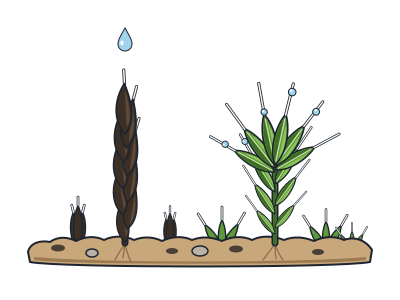
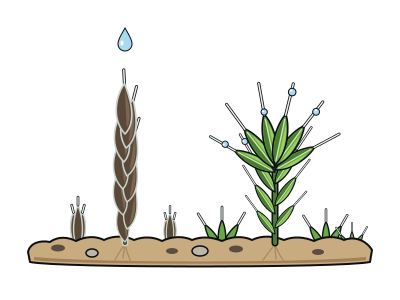
Picture a black, crumbly speck on desert soil that looks long dead. Add a drop of water and within seconds it turns green and starts making food from sunlight again. This little moss can lose more than 98% of the water in its cells and still come back.
Scientists have tested just how tough it is. Plants survived three to five years in a freezer at −80 °C, and up to a month in liquid nitrogen at −196 °C. They also lived through a blast of radiation at least ten times stronger than a dose that would kill a person. In a lab chamber copying Mars, with thin air that is mostly carbon dioxide, strong UV light and nights near −60 °C, dried-out plants fully regrew within 30 days. That does not mean it could grow on Mars, though. It still needs liquid water to grow.
Each shoot is only about as tall as a grain of rice. It sits on the tree with the other mosses, such as peat moss and haircap moss. But it lives where most of them could not: in the deserts of China and the USA. There it grows in carpets as part of the biological soil crust, a living skin that holds desert ground together.
Water that climbs uphill
Each leaf ends in a fine hair covered in tiny grooves. These grooves can carry collected water along the hair towards the leaf, even when the hair is pointing upside down.
Dry is better for freezing
In the freezing tests, plants that had been dried out first recovered faster after thawing than plants that went into the freezer wet.
Its stronghold
The thickest populations grow in the Gurbantunggut Desert in north-west China, where it is the main moss in the soil crust.
Next to it on the tree
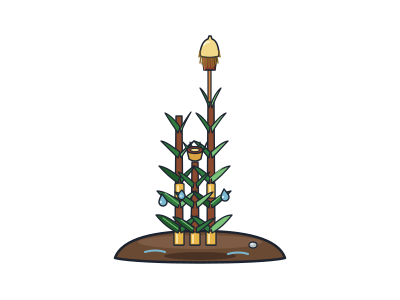
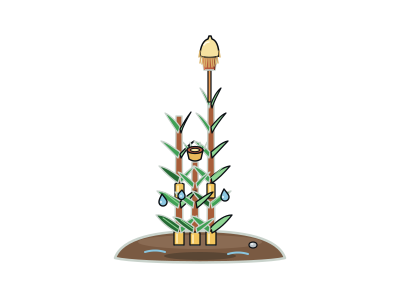
- Common haircap mossNo roots, no flowers, no seeds, yet it holds water like a sponge.
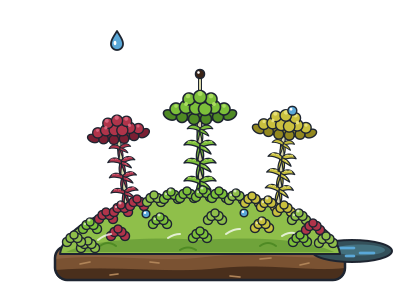
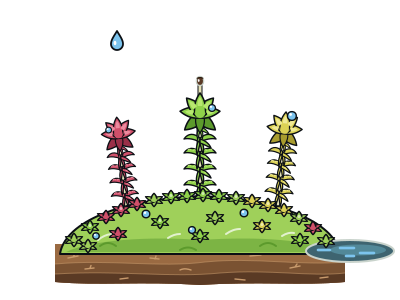
- Peat mossCan soak up many times its weight in water and builds peat bogs that lock away carbon.
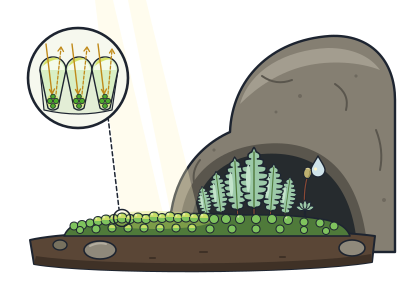
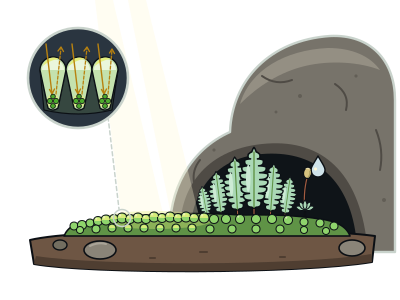
- Goblin's goldA cave moss whose lens-shaped cells catch dim light and shine it back gold-green.
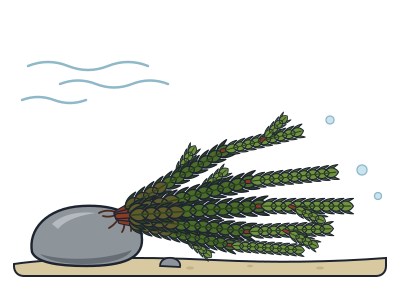
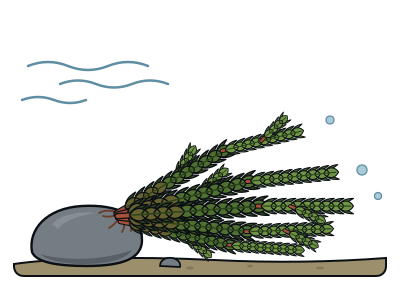
- Willow mossA moss that lives underwater, trailing in streams like dark green hair.
- Giant dawsoniaThe tallest self-supporting moss, standing up to half a metre in New Zealand forests.
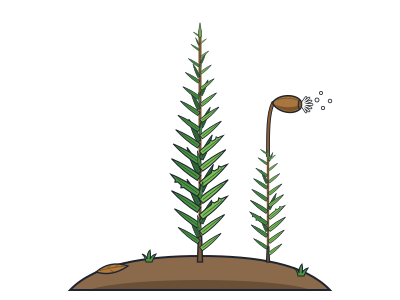
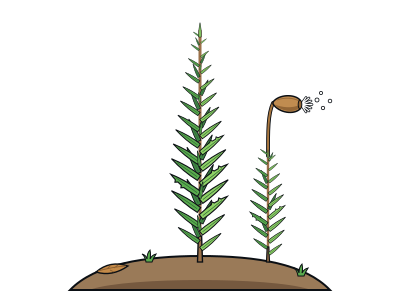
- TakakiaA tiny Himalayan moss from the oldest surviving branch of mosses, long mistaken for a liverwort.