A species
Takakia
Takakia lepidozioides
A tiny mountain moss on the oldest surviving branch of the moss family, long mistaken for a liverwort.
You and the takakia meet in the Eukaryotes branch, shown at about 1.8 billion years ago (on 28 July, in a calendar from life's shared ancestor to today).
This tiny plant is a moss, but for many years scientists were not sure it was one. Many studies place it on the oldest surviving branch of the moss family tree. That makes it a distant relative of every other moss, from peat moss to the haircap mosses.
In 1861 a botanist described its closest relative as a liverwort, because the leafy shoots looked like one. In 1958 scientists named this plant and its genus after Dr Noriwo Takaki, who rediscovered it in Japan and saw how unusual it was. Around then, scientists found its sex organs. In 1993, spore capsules were found on the only other species in its genus. These finds pointed strongly to a moss, and later studies of its genome confirmed it.
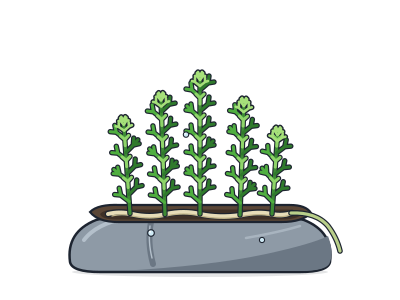
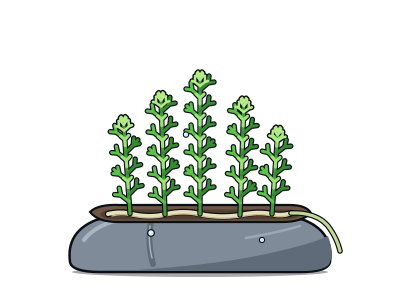
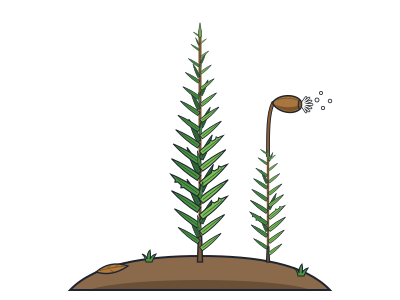
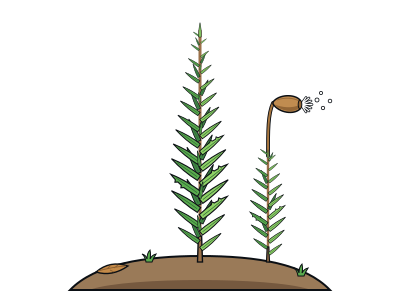
Its green shoots are usually less than 1 cm tall. Each leaf is only about 1 mm long and is split into thread-like strands, which no other moss has. A shoot looks like a tiny green bottlebrush. It has no root-like hairs. Instead, its shoots grow from creeping underground stems, and long leafless runners help it spread over bare ground.
On the Tibetan Plateau it grows more than 4,000 metres up, under snow for about eight months of the year. It survives the harsh sunlight there by repairing its DNA and making protective chemicals. Since about 2010 the area has warmed quickly, and the moss has become less common while competing plants have done well.
Very few chromosomes
With only 4 chromosomes in each set, this genus once had the lowest count known in any land plant. An Australian daisy has since beaten it.
A twisted seam
Most mosses have a ring of 'teeth' at the mouth of their spore capsule. In this genus, the capsule splits open along one spiral slit to let its spores out.
Old shape, busy genes
Its outward shape has hardly changed. But its genetic code has more fast-changing genes than any of the other plant genomes scientists compared it with.
Next to it on the tree
- Common haircap mossNo roots, no flowers, no seeds, yet it holds water like a sponge.
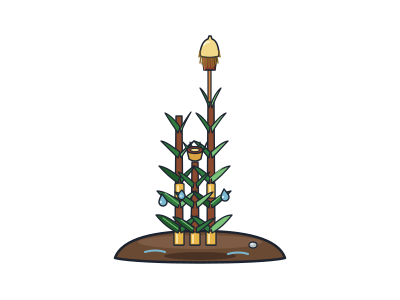
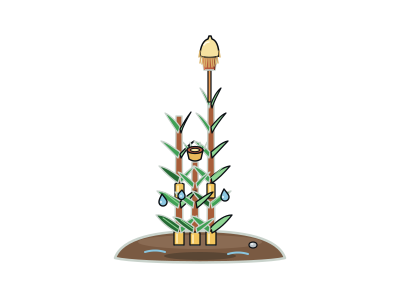
- Peat mossCan soak up many times its weight in water and builds peat bogs that lock away carbon.
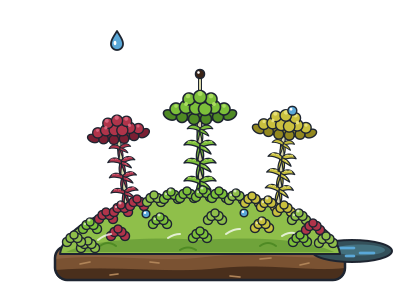
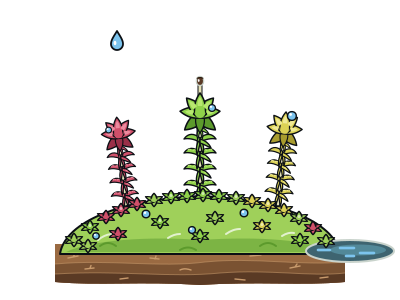
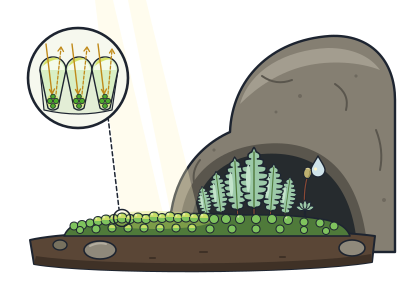
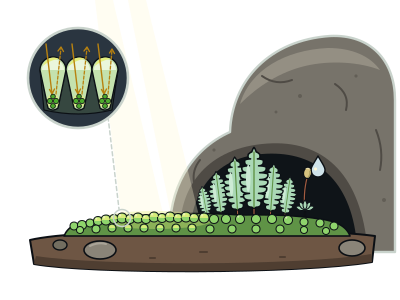
- Goblin's goldA cave moss whose lens-shaped cells catch dim light and shine it back gold-green.
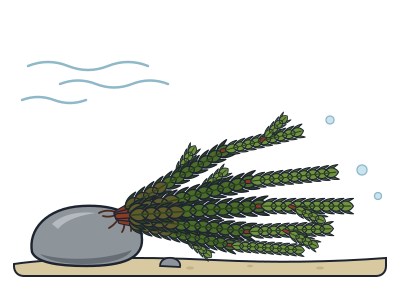
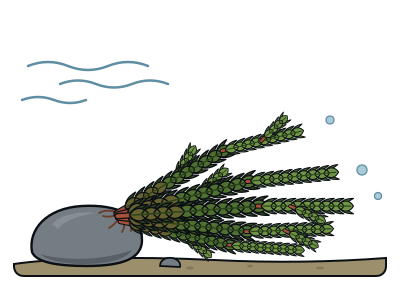
- Willow mossA moss that lives underwater, trailing in streams like dark green hair.
- Giant dawsoniaThe tallest self-supporting moss, standing up to half a metre in New Zealand forests.
- Desert mossDries to a crisp and revives within seconds, and survived freezing and radiation like on Mars.