A species
Willow moss
Fontinalis antipyretica
A moss that went back to the water, trailing in streams like dark green hair.
You and the willow moss meet in the Eukaryotes branch, shown at about 1.8 billion years ago (on 28 July, in a calendar from life's shared ancestor to today).
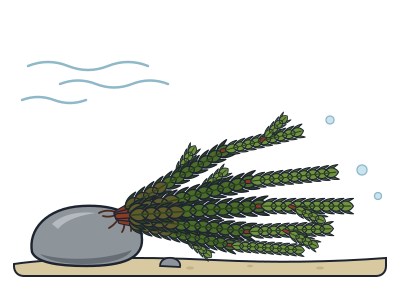
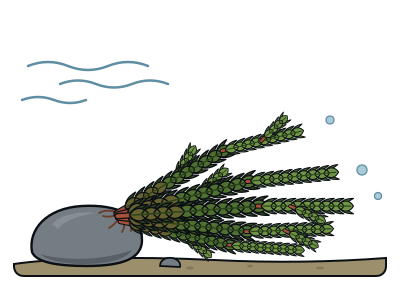
Look into a cool, clear stream and you might spot dark green strands streaming from the rocks like long hair in the current. This is willow moss, and it almost always lives underwater in fresh water. That makes it unusual. Mosses first evolved on land, and this one went back to living in water. Scientists study its genes to learn how plants change when they move between land and water.
Despite its name, it is not a willow or any kind of flowering plant. It is a true moss, a relative of the peat mosses and haircap mosses beside it on the tree. Its branched stems are often red and can grow about 60 centimetres long, roughly the length of a person's arm. The dark olive-green leaves grow in three overlapping rows, so each shoot looks three-sided, like a thin plaited cord. Each leaf is about the size of a grain of rice and is folded sharply down the middle, like the keel of a boat.
In fast streams it clings to rocks and logs. In still lakes and ponds it may float in loose masses. Its big clumps shelter fish eggs and young fish, and the young of insects such as mayflies, caddisflies and stoneflies live among its strands.
A name about fire
Its scientific name means roughly 'the spring moss against fire'. 'Fontinalis' comes from the Latin for a spring or fountain, and 'antipyretica' means against fire. It was first described in the 1700s by the famous scientist Linnaeus.
Spores are rare
Each plant is either male or female. Spore capsules are rare and tucked almost out of sight among the leaves. In Britain they are mostly found on plants that have spent some time out of the water. It mostly spreads when broken-off pieces take hold somewhere new.
Aquarium favourite
It is popular in cool-water aquariums, where fish use it as a place to lay their eggs. In warm tropical tanks, a different moss called Java moss has mostly taken its place.
Next to it on the tree
- Common haircap mossNo roots, no flowers, no seeds, yet it holds water like a sponge.
- Peat mossCan soak up many times its weight in water and builds peat bogs that lock away carbon.
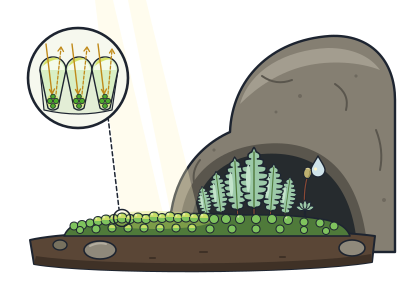
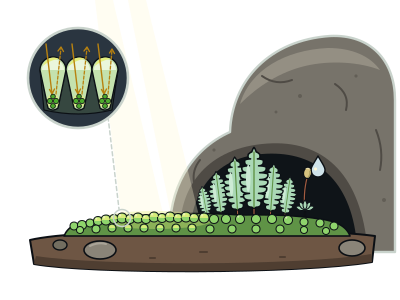
- Goblin's goldA cave moss whose lens-shaped cells catch dim light and shine it back gold-green.
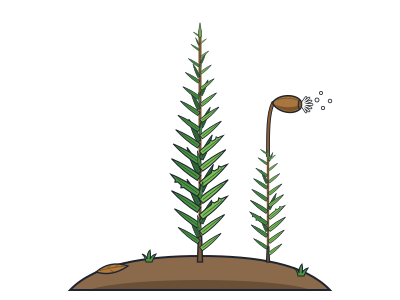
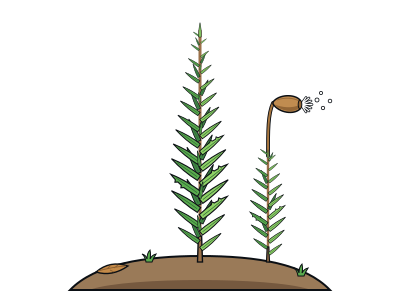
- Giant dawsoniaThe tallest self-supporting moss, standing up to half a metre in New Zealand forests.
- TakakiaA tiny Himalayan moss from the oldest surviving branch of mosses, long mistaken for a liverwort.
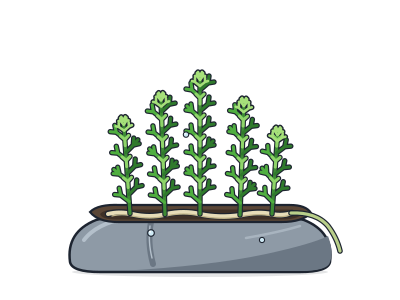
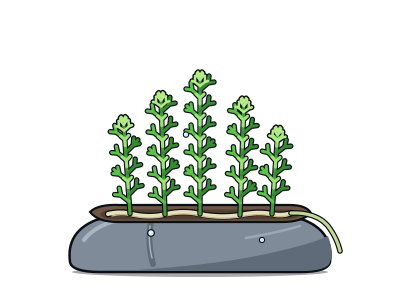
- Desert mossDries to a crisp and revives within seconds, and survived freezing and radiation like on Mars.