A species
Common haircap moss
Polytrichum commune
A tall moss with no true roots that holds water like a sponge.
You and the common haircap moss meet in the Eukaryotes branch, shown at about 1.8 billion years ago (on 28 July, in a calendar from life's shared ancestor to today).
The common haircap moss is a relative of ferns and seed plants, but like ferns it has no flowers and no seeds, and it has no true roots either. Instead it holds water like a sponge, and tiny ridges on its leaves trap moist air around its food-making cells. It often forms tall carpets from creeping underground stems.
Shoots usually stand upright and reach about 5 to 10 centimetres tall, about as long as a finger, with dozens of stiff narrow leaves that look like a star from above. Each leaf has a shiny base, often golden, that clasps the stem. Wet leaves spread wide and often bend back, while dry leaves stand up and curl.
Unlike most mosses, which stay low, it has a simple inner pathway that moves water upward and food around, which helps it grow much taller. You can find it in bogs, damp woods and along forest streams, where the ground stays damp and acidic.
Rain-powered parents
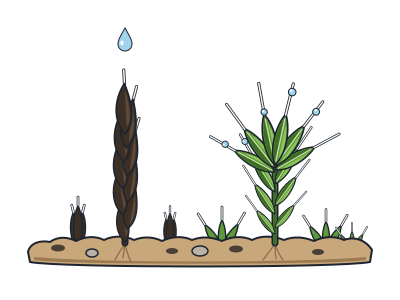
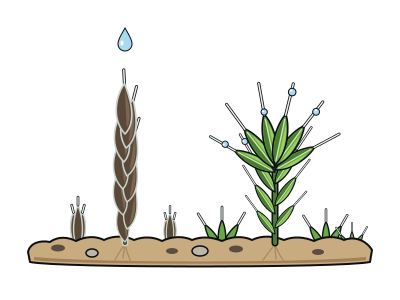
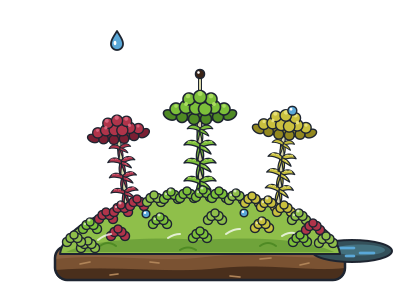
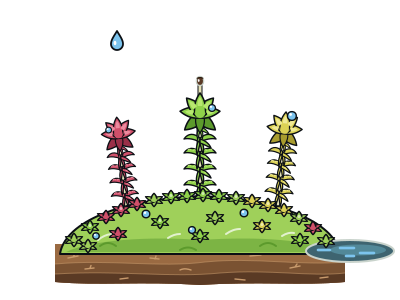
Male and female parts grow on separate plants. Male shoot tips form tiny yellowish to reddish cups made of small leaves spread like petals. In mosses like this, sperm must swim through water and seldom travel more than about 10 centimetres, so splashing raindrops help throw them further.
A stalk with a hairy hat
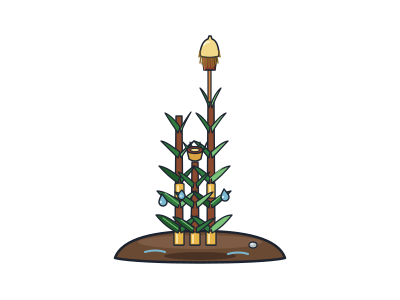
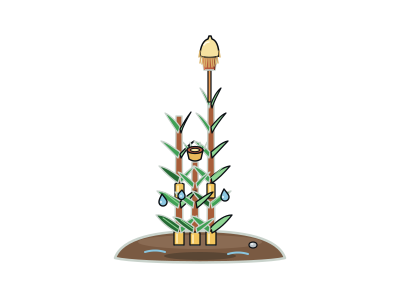
Usually in summer, each fertilised female shoot grows one slender stalk topped by a single small four-angled case about as long as a grain of rice or smaller. The young case hides under a shaggy white to pale yellow or golden hood that gives the haircap its name. The hood soon falls away, then later tiny dust-like spores blow in the wind.
A world traveller
It grows across much of North America, Europe and Asia, including throughout Britain, and is also found in Australia. It stays mostly green all year and copes with sun, dry spells and wind better than most mosses.
Next to it on the tree
- Peat mossCan soak up many times its weight in water and builds peat bogs that lock away carbon.
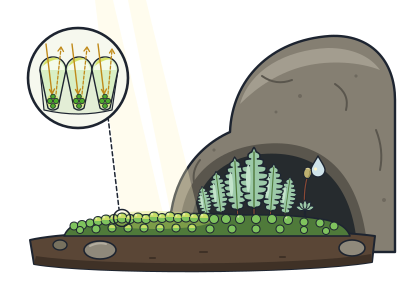
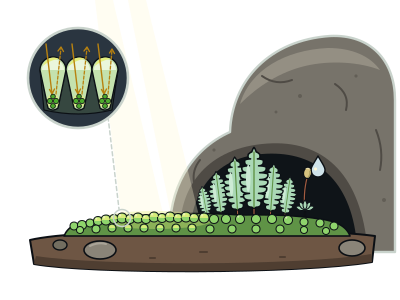
- Goblin's goldA cave moss whose lens-shaped cells catch dim light and shine it back gold-green.
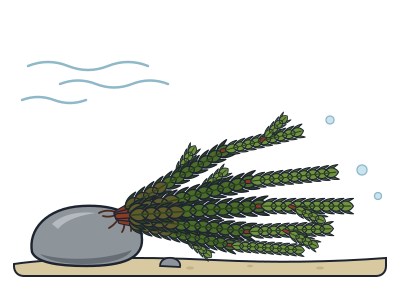
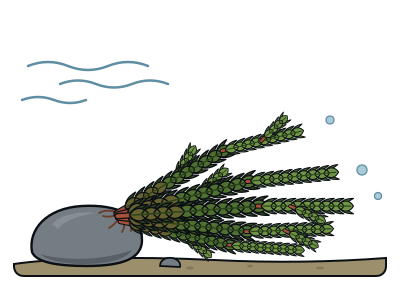
- Willow mossA moss that lives underwater, trailing in streams like dark green hair.
- Giant dawsoniaThe tallest self-supporting moss, standing up to half a metre in New Zealand forests.
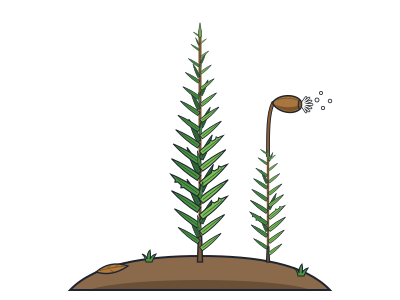
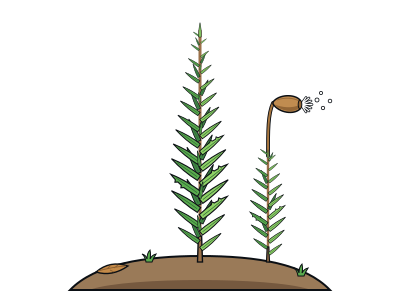
- TakakiaA tiny Himalayan moss from the oldest surviving branch of mosses, long mistaken for a liverwort.
- Desert mossDries to a crisp and revives within seconds, and survived freezing and radiation like on Mars.