A species
Bird of paradise flower
Strelitzia reginae
A flower shaped like a bird's head, built for real birds to stand on.
You and the bird of paradise flower meet in the Eukaryotes branch, shown at about 1.8 billion years ago (on 28 July, in a calendar from life's shared ancestor to today).
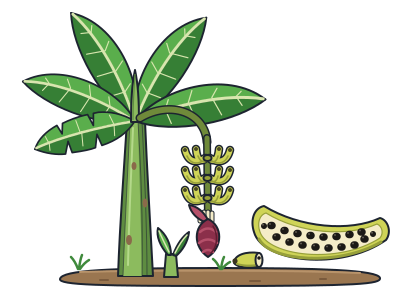
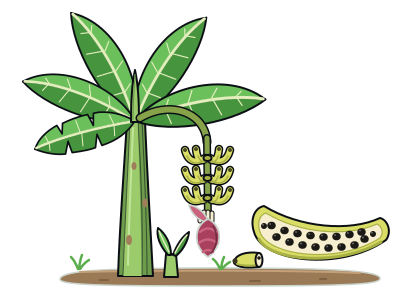
Look at this flower from the side and you see a bird's head. There is a pointed beak and a bright crest of orange and blue. That look gave the plant its names, including 'crane flower', after the crested head of the crowned crane. But it is a plant, not a bird, and it has nothing to do with the birds-of-paradise of New Guinea. It belongs to the same big plant group as bananas and gingers, and its large, leathery leaves look a lot like banana leaves.
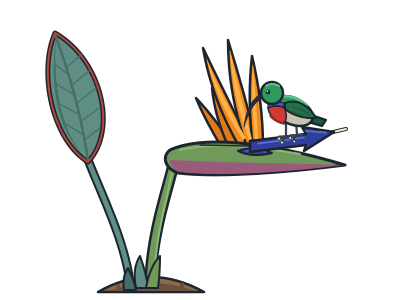
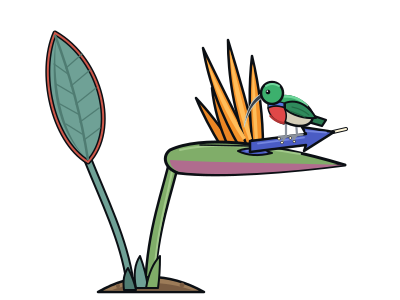
The flower is built for birds to stand on. The orange parts are sepals, and the blue parts are the true petals. Two blue petals join to make an arrow-shaped perch. When a bird lands there to drink nectar, its weight pushes the arrow open. Hidden pollen brushes onto the bird's feet, and sometimes its chest. Then the bird carries it to the next flower.
In South Africa, a yellow bird called the Cape weaver is reported to be one of the main birds that does this. Small sunbirds visit too and have long been named as pollinators. But a study found they often sip the nectar without pollinating the flower.
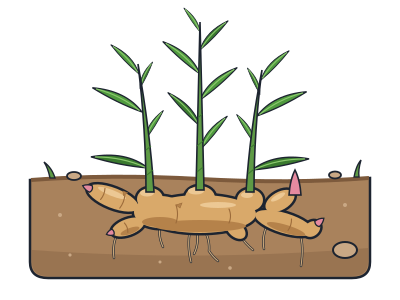
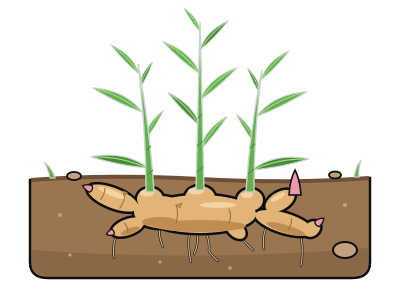
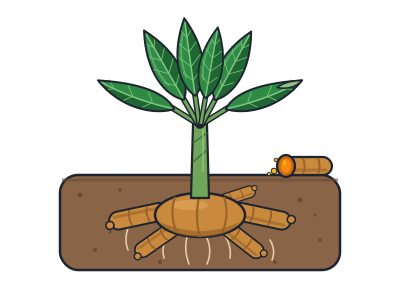
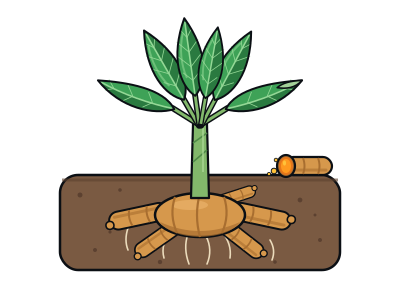
The plant grows wild only near South Africa's eastern coast. It grows in clumps about as tall as an adult, with no trunk, from stems that spread underground.
A city's flower
It is the official flower of the City of Los Angeles.
Plenty of blooms
A healthy grown plant can make up to about 36 flower spikes in a year, on stalks up to about 1.5 metres tall.
One head, many flowers
Each beak-like sheath holds about four to six flowers. They come out one after another, so one 'bird head' can show flowers at different stages.