A group of living things
Monitors and kin
Anguimorpha
One lizard branch, wildly different bodies.
This branch is shown at about 140 million years ago; its age is a rough estimate.
You and monitors and kin meet in the Amniotes branch, shown at about 320 million years ago (on 4 December, in a calendar from life's shared ancestor to today).
Giant monitors, venomous Gila monsters and legless slow worms belong to the same branch of the lizard family tree. This is a group of striking contrasts: sharing a branch does not mean that every member is huge, venomous or missing its legs.
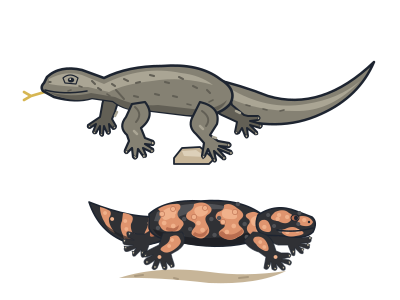
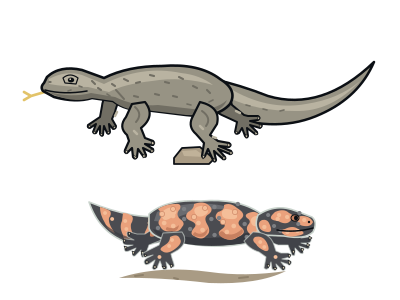
The Komodo dragon is the largest living lizard. Exceptionally large individuals reach about three metres long. Its extinct Australian relative, Megalania, was the largest known land-dwelling lizard. It lived during Australia’s Ice Ages, though its precise age range remains uncertain. Estimates of its size vary because its fossil remains are incomplete.
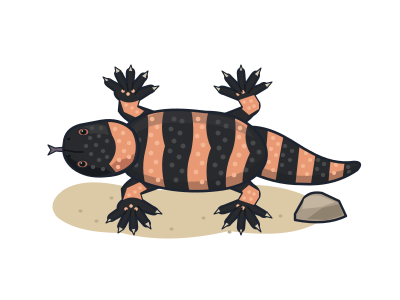
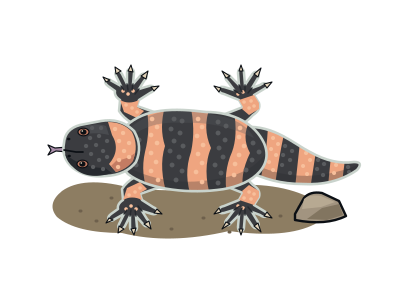
A Gila monster delivers venom differently from the hollow fangs of some snakes. Grooves in its lower teeth help venom enter during a bite. It spends most of its life hidden underground.
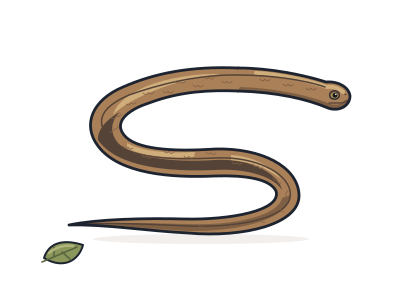
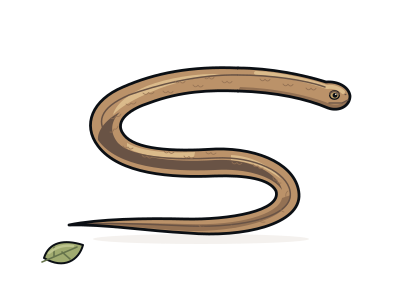
Then there is the slow worm: neither a worm nor a snake, but a lizard with no legs. It can blink using movable eyelids and shed its tail to escape danger.
A tongue that gathers scents
Komodo dragons use their yellow, forked tongues to collect scent particles from the air. Smell is their main way of finding food.
Stored meals
Gila monsters store fat in their tails and bodies. These reserves help them cope with long gaps between meals.
Live young
Female slow worms keep developing eggs inside their bodies and give birth to live young, averaging about eight in summer.
Inside monitors and kin
- Komodo dragonThe largest living lizard, with a venomous bite and a nose for food kilometres away.
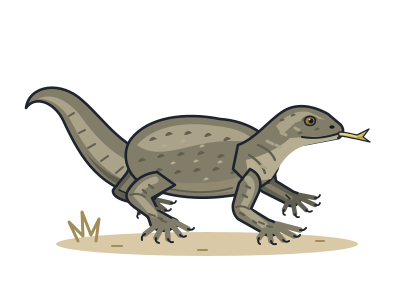
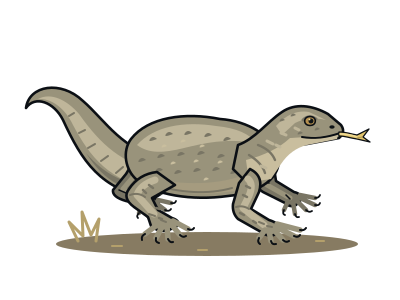
- MegalaniaA giant monitor lizard, perhaps 5 to 7 metres long, that met Australia's first people.
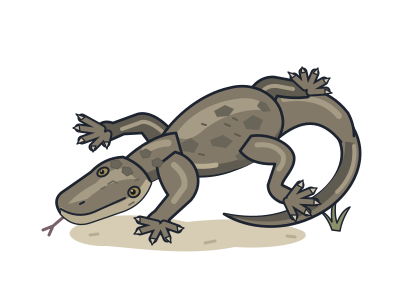
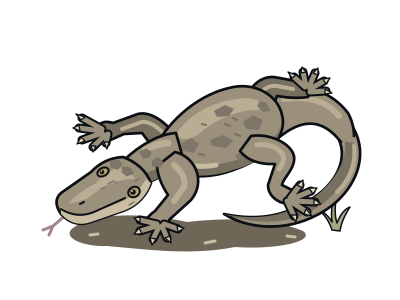
- Gila monsterA beaded, venomous desert lizard whose saliva inspired a diabetes drug.
- Slow wormLooks like a snake but is a legless lizard that can blink and drop its tail.
- Asian water monitorThe second-heaviest lizard, a strong swimmer often seen in city canals in Southeast Asia.
- Earless monitor lizardA rarely seen Bornean lizard with no ear openings, the closest living cousin of monitors.
Next to it on the tree
- NajashAn early snake that still had small back legs, named after the legged serpent of Genesis.
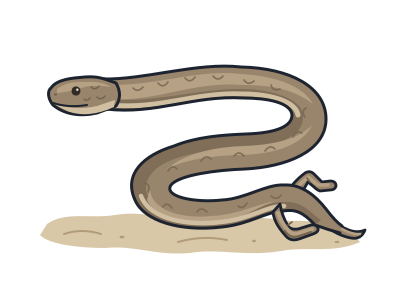
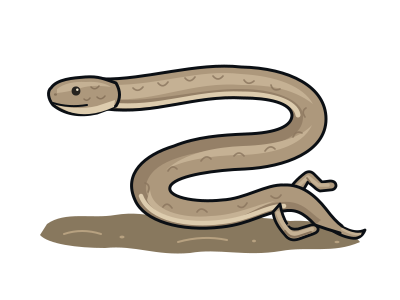
- SnakesLimbless hunters that can swallow prey wider than their own heads.
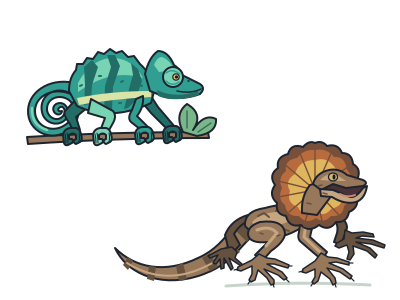
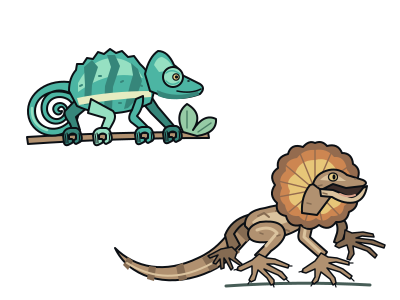
- Iguanas and chameleonsSit-and-wait lizards, from colour-changing chameleons to sea-swimming iguanas.
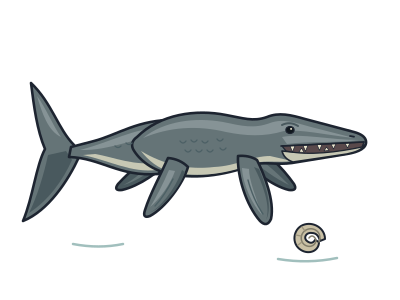
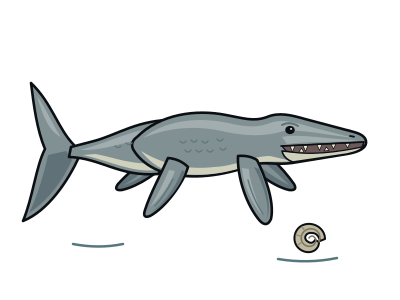
- MosasaursGiant sea lizards with flippers and a shark-like tail fin.