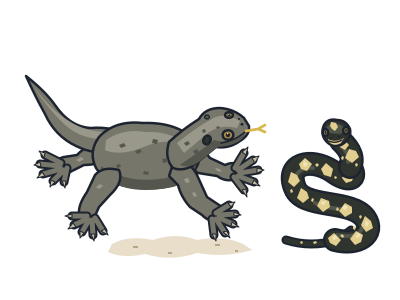
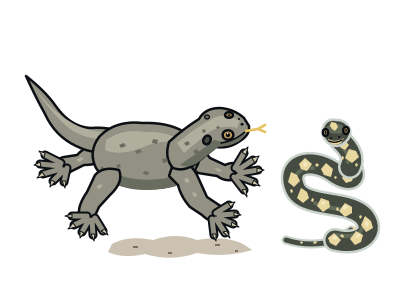
A group of living things
Iguanas, monitors and snakes
Toxicofera
Chameleons, Komodo dragons and snakes share a surprising family branch.
This branch is shown at about 165 million years ago; its age is a rough estimate.
You and iguanas, monitors and snakes meet in the Amniotes branch, shown at about 320 million years ago (on 4 December, in a calendar from life's shared ancestor to today).
Chameleons, Komodo dragons and snakes belong to one family branch, even though their bodies look so different. DNA—the inherited instructions inside living things—reveals the connection. On this family tree, chameleons and monitor lizards are closer relatives of snakes than they are of geckos or skinks.
This branch contains more than its name might suggest. The iguana side includes chameleons, anoles and dragon lizards. The monitor side includes alligator lizards and the Gila monster. Komodo dragons are monitors, but living snakes did not descend from them: they belong to different branches within this larger family.
Family membership does not mean every member has the same abilities. Chameleons change colour to communicate and respond to conditions such as temperature, but each species has a limited palette. Nor is every member venomous. The diamond python, a snake from coastal New South Wales, is one non-venomous example.
Two separate views
Chameleons can move and focus their eyes separately, then aim both towards prey.
Young dragons climb
Young Komodo dragons spend much of their early lives in trees, where they are safer from predators.
A mother’s coils
Female diamond pythons coil around their eggs to protect them and keep them warm. Their care ends when the young hatch.
Inside iguanas, monitors and snakes
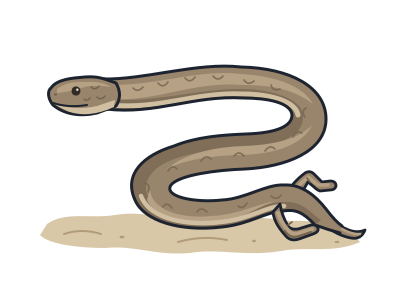
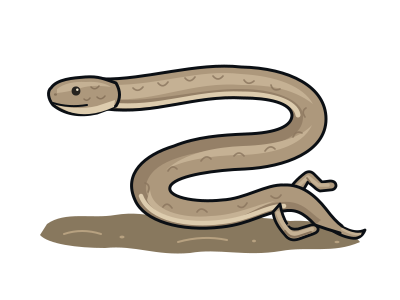
- NajashAn early snake that still had small back legs, named after the legged serpent of Genesis.
- SnakesLimbless hunters that can swallow prey wider than their own heads.
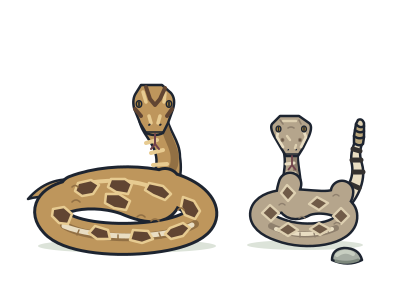
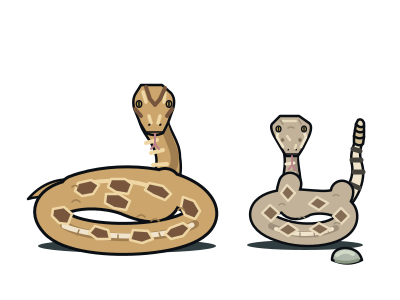
- Iguanas and chameleonsSit-and-wait lizards, from colour-changing chameleons to sea-swimming iguanas.
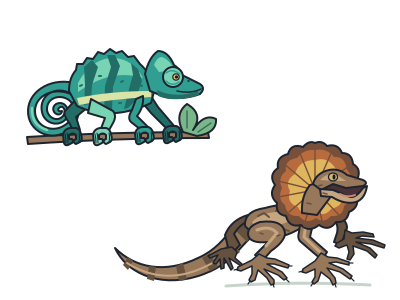
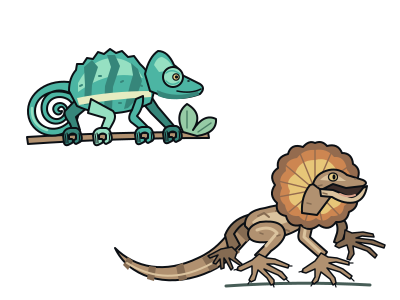
- Monitors and kinIncludes the biggest lizards ever, venomous lizards and lizards with no legs.
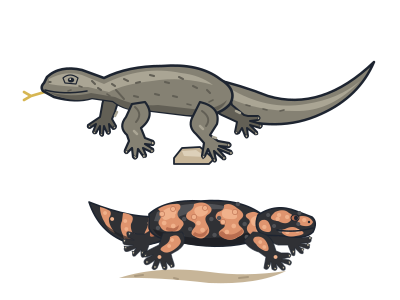
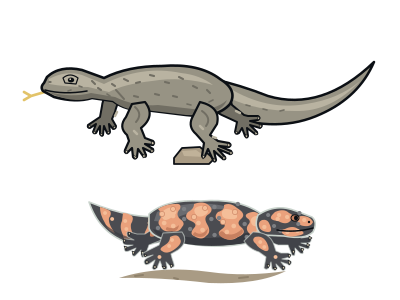
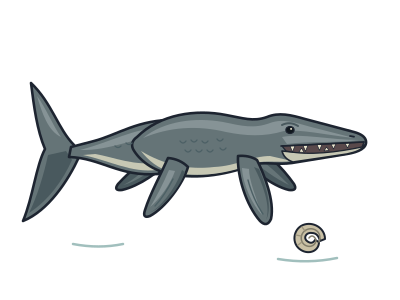
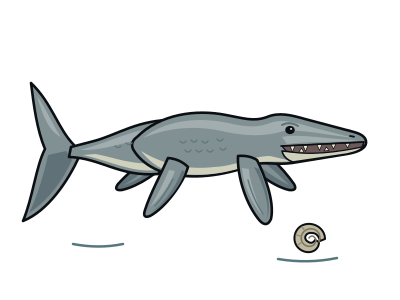
- MosasaursGiant sea lizards with flippers and a shark-like tail fin.
Next to it on the tree
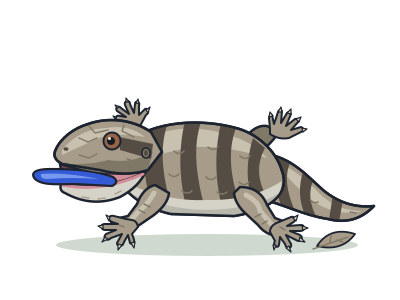
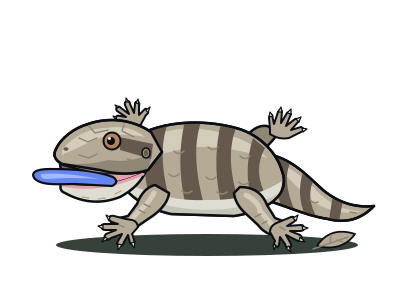
- Blue-tongued skinkStartles predators by flashing a bright blue tongue.
- GeckosNight-loving lizards that chirp, lick their own eyes clean, and many walk up walls.
- SandfishA smooth desert skink that dives into sand and wriggles through it as if swimming.
- Wall lizards, tegus and worm lizardsWall lizards, big tegus and legless worm lizards are one family branch, despite looking nothing alike.