A species
Komodo dragon
Varanus komodoensis
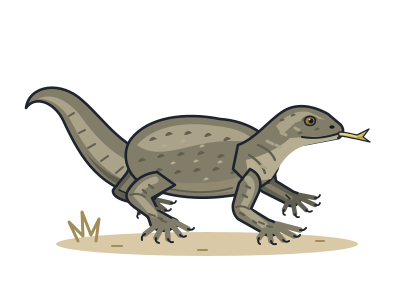
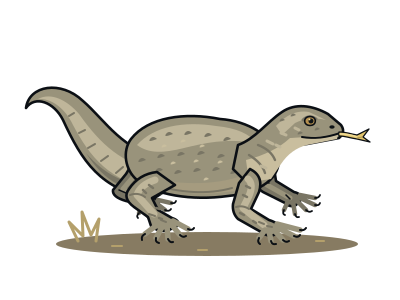
The largest living lizard finds food with its tongue.
You and the komodo dragon meet in the Amniotes branch, shown at about 320 million years ago (on 4 December, in a calendar from life's shared ancestor to today).
The Komodo dragon is the largest living lizard, with a venomous bite and a tongue that helps it find food kilometres away. It belongs to the monitor lizard family. The extinct giant Megalania was another monitor: a relative, not simply a bigger version of the same animal.
Each flick of its forked tongue collects scent particles. The tongue carries them to scent-detecting organs in the roof of its mouth. This helps a dragon locate meals, including dead animals that it can sometimes detect kilometres away. Adults also hunt animals such as deer and pigs. Their bite combines sharp teeth with venom produced in the lower jaw.
Wild dragons live only in Indonesia, in habitats including tropical forest, dry grassland and scrub. Young dragons spend much of their early life in trees. This helps them avoid predators, including larger dragons. Their meals are smaller too: insects, small lizards, snakes and birds.
Shelter underground
Dragons shelter in burrows at night and during the hottest part of the day.
Upright wrestling
Competing males can wrestle standing up, gripping with their front legs and using their tails for support.
Bones beneath the scales
Small bones reinforce their rough skin, helping protect them against scratches and bites.
Next to it on the tree
- MegalaniaA giant monitor lizard, perhaps 5 to 7 metres long, that met Australia's first people.
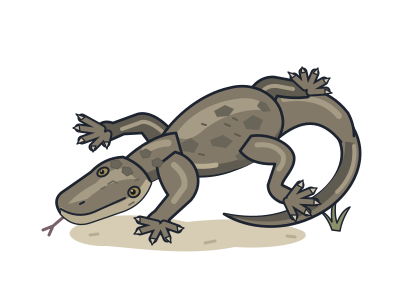
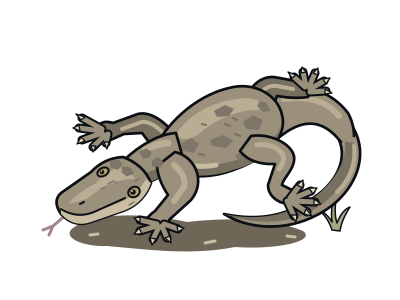
- Gila monsterA beaded, venomous desert lizard whose saliva inspired a diabetes drug.
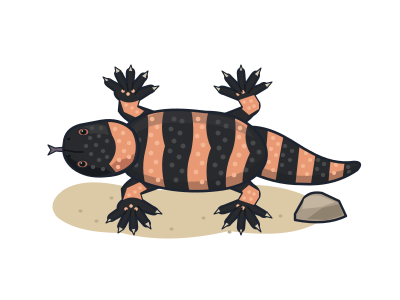
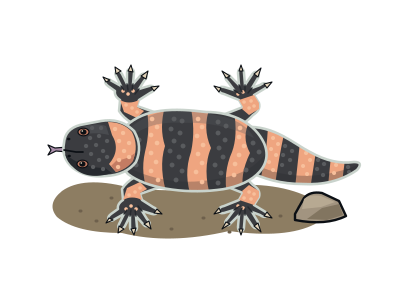
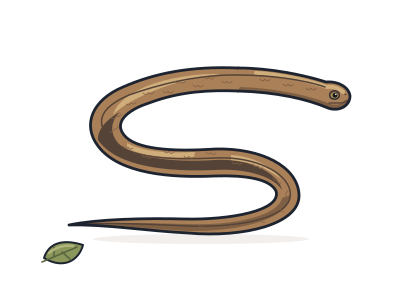
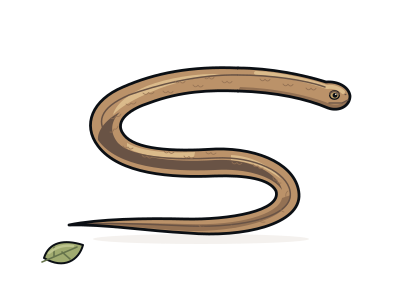
- Slow wormLooks like a snake but is a legless lizard that can blink and drop its tail.
- Asian water monitorThe second-heaviest lizard, a strong swimmer often seen in city canals in Southeast Asia.
- Earless monitor lizardA rarely seen Bornean lizard with no ear openings, the closest living cousin of monitors.