A species
Gila monster
Heloderma suspectum
A beaded desert lizard with a surprising link to diabetes medicine.
You and the gila monster meet in the Amniotes branch, shown at about 320 million years ago (on 4 December, in a calendar from life's shared ancestor to today).
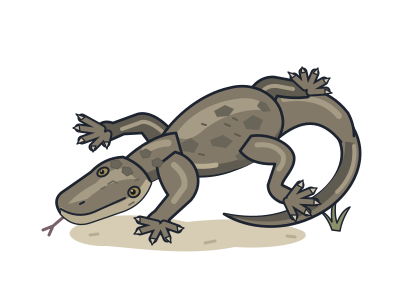
The Gila monster is a venomous desert lizard with skin that looks covered in beads—and a surprising connection to medicine. A substance in its saliva inspired exenatide, a medicine for type 2 diabetes. The medicine is manufactured, not bottled lizard saliva. A bite is not a treatment.
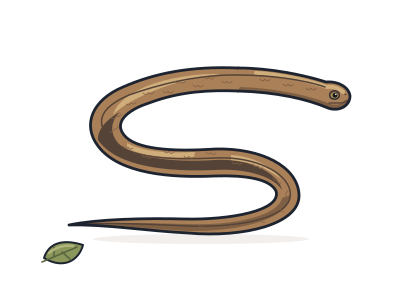
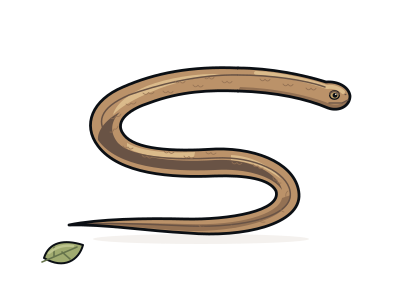
Its close relatives include the beaded lizards. Look further along its family branch and you will also find monitor lizards and slow worms. Their shapes are strikingly different, but they belong to the same broader branch of the lizard family tree.
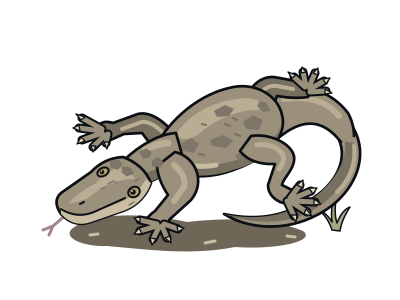
This lizard lives in the south-western United States and north-western Mexico. Its home is not just bare desert sand: it uses rocky foothills, scrub and dry stream channels. Burrows and rock shelters offer refuge from hot, dry conditions. Its sturdy body and short legs give it a very different outline from a long, slender slow worm.
Colourful markings
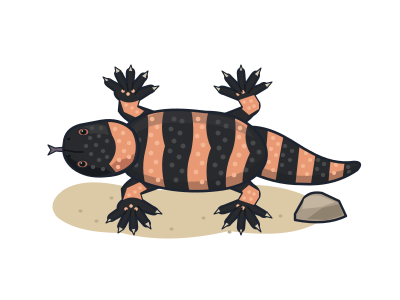
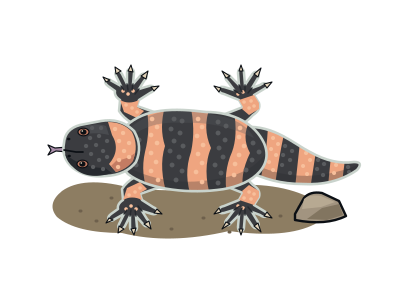
Its black skin carries contrasting pink or orange markings, forming broken patterns or clearer bands.
An enormous meal
An adult can eat about one-third of its own body weight in a single meal.
Grooves, not hollow fangs
Venom comes from glands in its lower jaw and enters a bite along grooves in its teeth.
Next to it on the tree
- Komodo dragonThe largest living lizard, with a venomous bite and a nose for food kilometres away.
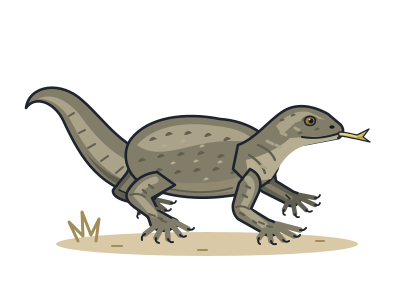
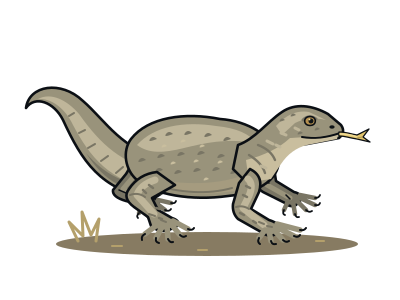
- MegalaniaA giant monitor lizard, perhaps 5 to 7 metres long, that met Australia's first people.
- Slow wormLooks like a snake but is a legless lizard that can blink and drop its tail.
- Asian water monitorThe second-heaviest lizard, a strong swimmer often seen in city canals in Southeast Asia.
- Earless monitor lizardA rarely seen Bornean lizard with no ear openings, the closest living cousin of monitors.