A species
Wolbachia
Wolbachia pipientis
A tiny bacterium that lives inside insects, changes how they breed, and now helps fight dengue.
You and the wolbachia meet in the All life branch, shown at about 4.2 billion years ago (on 1 January, in a calendar from life's shared ancestor to today).
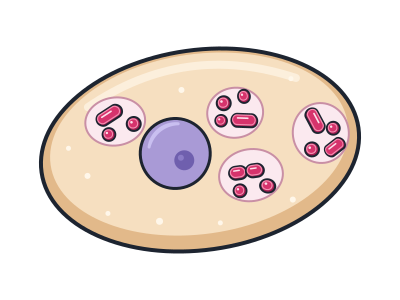
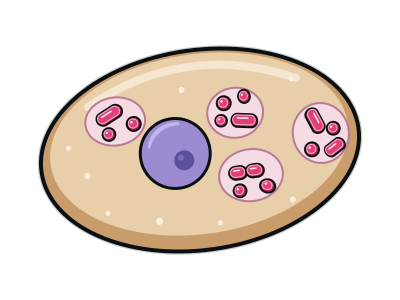
This bacterium lives inside the cells of other animals. Its hosts include insects, spiders, woodlice and some worms. It is very common. The US Centers for Disease Control and Prevention (CDC) says about 6 in 10 kinds of insect worldwide carry it, though not always every single animal. On the tree it shares a branch with bacteria such as the root-nodule bacterium and the crown gall bacterium. Unlike some of its relatives, it cannot survive or grow outside a living cell.
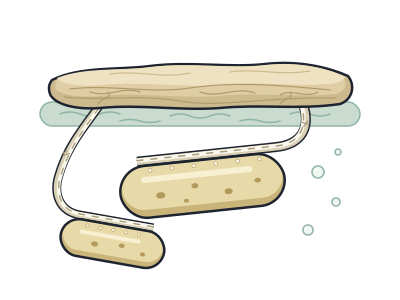
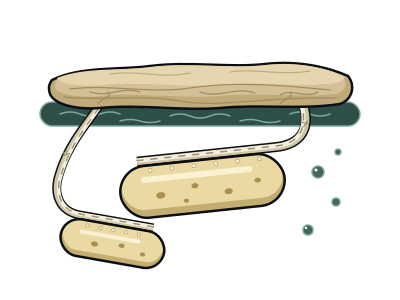
A mother passes it to her young inside her eggs. Mature sperm do not carry it, so it passes down through mothers. Each of its tricks helps infected females. In some species it kills male young. In others, young that should be male grow up as females. In others, females can have young with no males at all. Sometimes the eggs fail when an infected male mates with a female that does not carry it.
Now it is working for people. The main dengue mosquito does not carry Wolbachia naturally, so scientists moved in a type taken from fruit flies. Inside the mosquito it makes it much harder for the dengue virus to multiply. The first of these mosquitoes were released near Cairns, in Australia, in 2011. In a trial in Yogyakarta, Indonesia, places that got them had about 77% fewer confirmed dengue cases than places that did not. The mosquitoes' own genes are not changed, and the CDC says Wolbachia cannot make people or animals sick.
Named after a scientist
It was officially named in 1936 after Simeon Burt Wolbach, one of the two Harvard scientists who first spotted it in 1924.
Can't breed without it
Some wasps have come to depend on Wolbachia. They cannot make egg cells without it.
A second mosquito trick
Another method does not change how well mosquitoes spread disease. Instead it shrinks their numbers by releasing only male dengue mosquitoes that carry Wolbachia, because their young with wild females do not hatch. Communities in Texas and California have reported big falls in dengue mosquitoes this way.
Next to it on the tree
- Root-nodule bacteriumMoves into pea and bean roots and pulls nitrogen from the air, feeding the plant like free fertiliser.
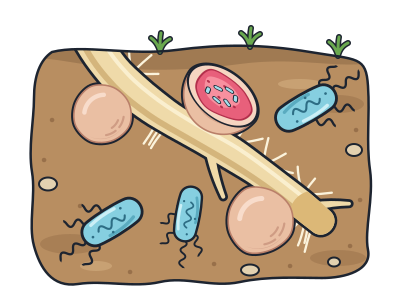
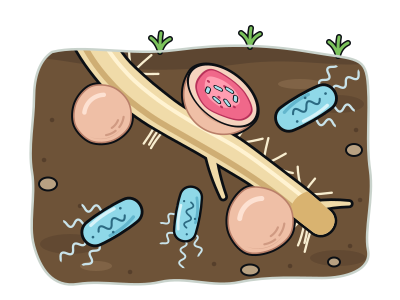
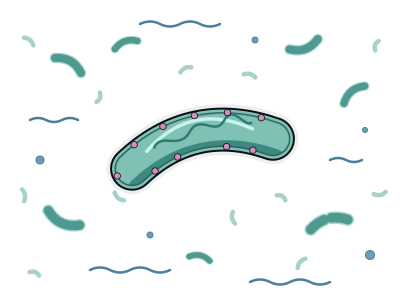
- SAR11Possibly the most abundant living thing on Earth: tiny, thrifty cells filling every ocean.

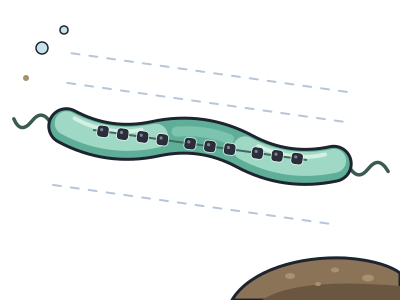
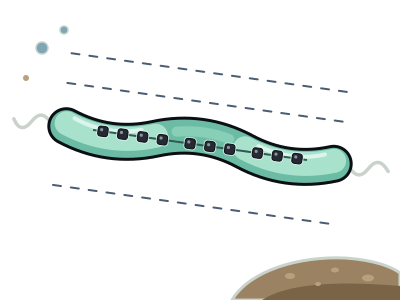
- Magnet bacteriumBuilds a chain of tiny magnets inside its body and uses it like a compass to swim along Earth's field.
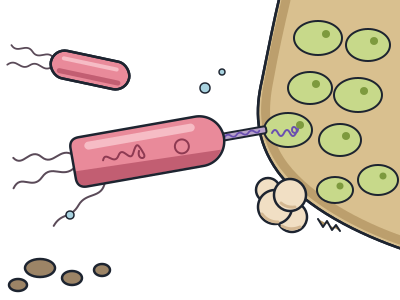
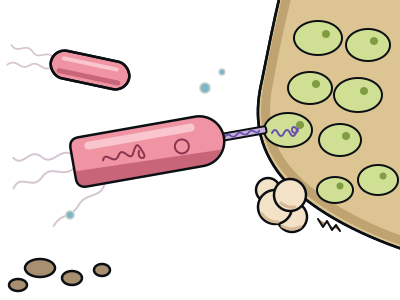
- Crown gall bacteriumNature's genetic engineer: it slips its own genes into plants, a trick scientists borrowed to breed crops.
- Vinegar bacteriumBreathes on wine and cider, turning their alcohol into the sharp acid that makes vinegar.
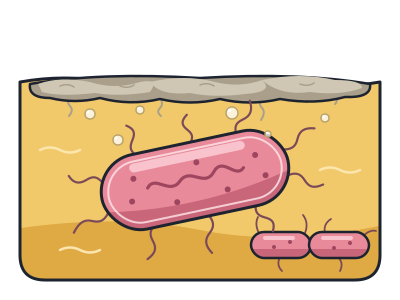
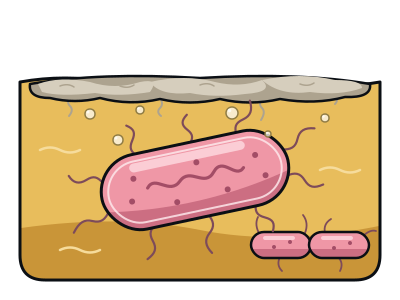
- Kombucha bacteriumSpins pure cellulose threads into the rubbery mat floating on kombucha and the jelly cubes of nata de coco.