A species
Crown gall bacterium
Agrobacterium tumefaciens
The soil microbe that taught scientists how to add genes to plants
You and the crown gall bacterium meet in the All life branch, shown at about 4.2 billion years ago (on 1 January, in a calendar from life's shared ancestor to today).
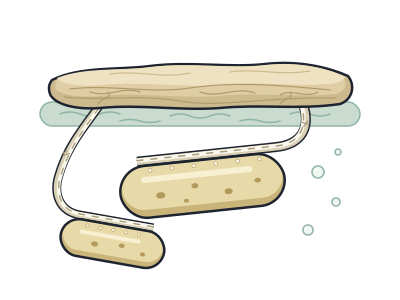
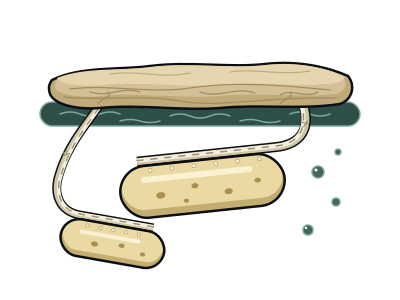
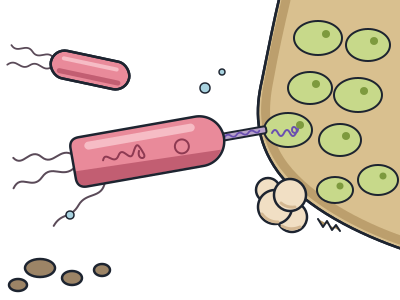
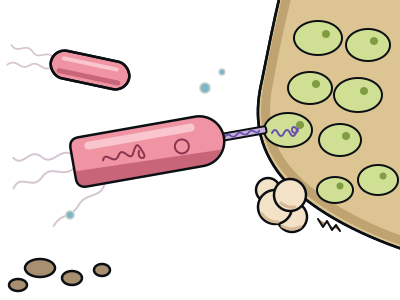
This soil bacterium is nature's own genetic engineer. When a disease-causing strain finds a freshly wounded plant, it copies a piece of its own DNA into the plant's cells. That piece joins the plant's genes and starts giving orders.
The new genes make the plant produce too much growth hormone, so its cells keep dividing into a knobbly lump called a gall. They also make the plant produce special foods that the bacterium can eat but most other microbes cannot. The plant becomes its private food factory. The gall is made of the plant's own cells, not a ball of bacteria.
Scientists discovered that any DNA placed between two 'border' markers gets delivered into the plant. So they swapped the gall-making genes for useful ones. By 1983 this trick had produced the first plants carrying genes added by people, and it became the main tool for engineering crops.
Beside it on the tree sits the root-nodule bacterium, which helps plants instead of harming them. Surprisingly, DNA shows the two groups are hard to tell apart. Whether a strain causes galls or forms helpful root nodules depends largely on movable loops of DNA that it carries.
A natural GMO in your kitchen
Sweet potatoes carry genes from this group of bacteria that got into them thousands of years ago, and those genes still work. One piece was found in every cultivated variety tested, more than 200 of them.
It sniffs out wounds
It finds injured plants by sensing chemicals that leak from the wound, such as certain plant compounds and sugars from cell walls. Slightly acidic conditions help too. Together these signals switch on its gene-delivery machinery.
Not just plants
In the laboratory it has passed DNA into algae, fungi and even human cells. In nature, though, it infects plants, and it does not cause tumours in people.
Next to it on the tree
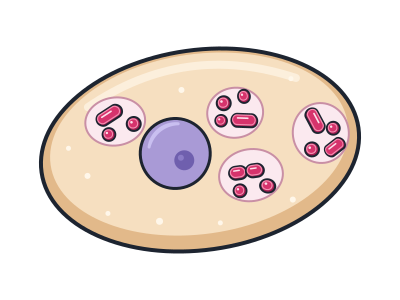
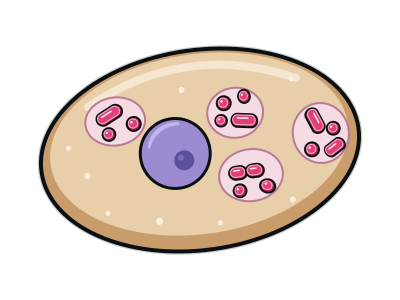
- WolbachiaLives inside the cells of most insect species, controls how they breed, and now helps stop dengue mosquitoes.
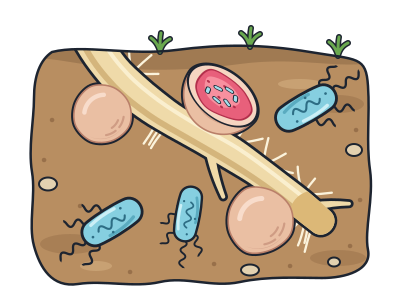
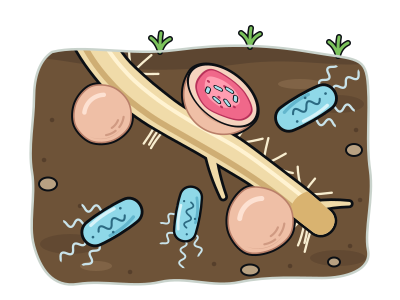
- Root-nodule bacteriumMoves into pea and bean roots and pulls nitrogen from the air, feeding the plant like free fertiliser.
- SAR11Possibly the most abundant living thing on Earth: tiny, thrifty cells filling every ocean.
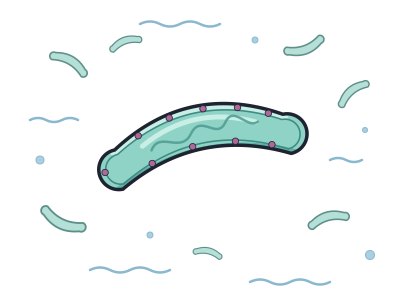
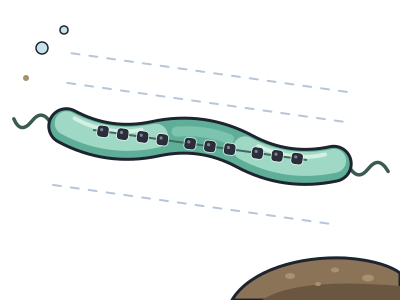
- Magnet bacteriumBuilds a chain of tiny magnets inside its body and uses it like a compass to swim along Earth's field.
- Vinegar bacteriumBreathes on wine and cider, turning their alcohol into the sharp acid that makes vinegar.
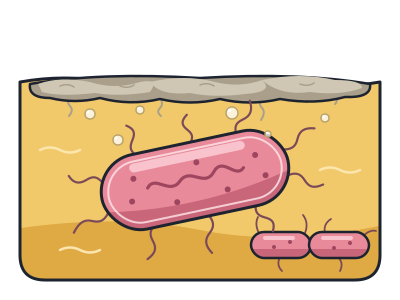
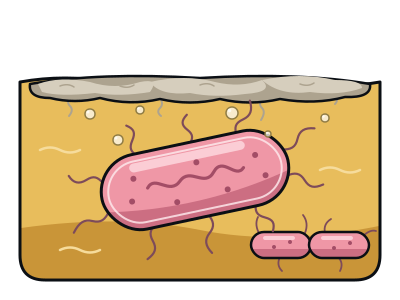
- Kombucha bacteriumSpins pure cellulose threads into the rubbery mat floating on kombucha and the jelly cubes of nata de coco.