A species
Root-nodule bacterium
Rhizobium leguminosarum
A tiny soil bacterium that moves into pea and bean roots and feeds them nitrogen from the air.
You and the root-nodule bacterium meet in the All life branch, shown at about 4.2 billion years ago (on 1 January, in a calendar from life's shared ancestor to today).
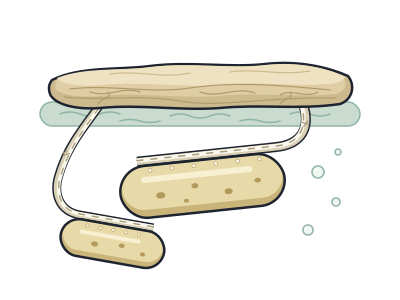
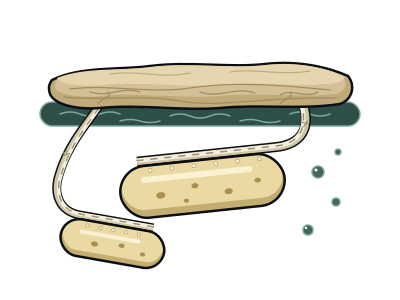
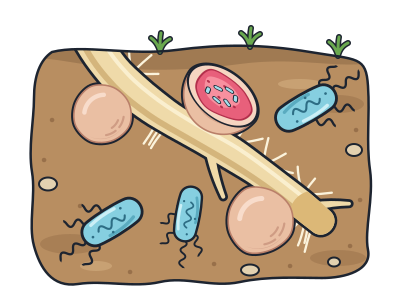
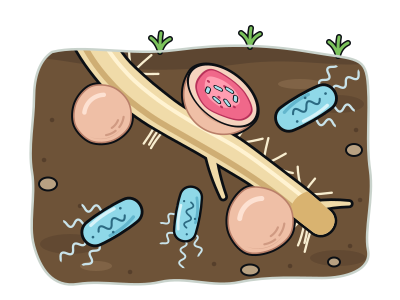
Peas and beans have a secret helper living in their roots. This tiny soil bacterium moves into the roots of peas, beans, lentils and clovers. It settles inside small bumps called nodules. There it pulls nitrogen out of the air and hands it to the plant, like free fertiliser.
Plants need nitrogen to grow. The air is full of it, but plants cannot use it straight from the air. The bacteria do that chemistry for them. In return, the plant feeds the bacteria. It is a trade, and it only works as a team. Living loose in the soil, the bacteria cannot fix nitrogen at all.
The partnership starts with chemical messages. The root sends out a signal, the bacteria answer, and a tiny root hair curls around them. The bacteria travel into the root through a thin tube. Once inside, they change shape and get to work.
Here is the surprise. A close relative on the tree, the crown gall bacterium, also moves into plants. But it causes lumpy swellings called galls instead of helpful nodules. Whether a member of this family helps or harms a plant depends largely on the extra loops of DNA it carries.
Pink means working
Slice open a busy nodule and it is pink to red inside. The colour comes from a protein called leghaemoglobin, which is related to the haemoglobin in our blood. If the inside is white, tan or green, little or no nitrogen is being made.
Fussy partners
Not every strain suits every plant. The type that lives with peas and vetch will not work for clover, which needs a different type. If the right type is missing from the soil, gardeners can buy a bacteria powder matched to their crop.
A big instruction book
One well-studied strain carries about 7,300 genes. They are spread across one main loop of DNA plus six smaller loops.
Next to it on the tree
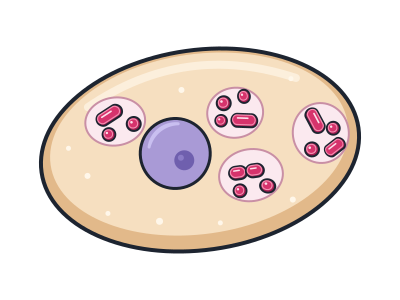
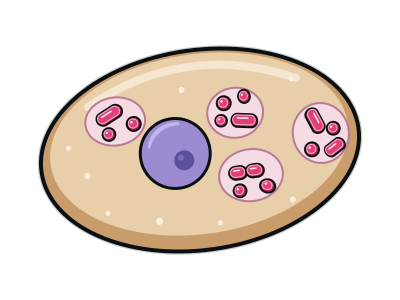
- WolbachiaLives inside the cells of most insect species, controls how they breed, and now helps stop dengue mosquitoes.
- SAR11Possibly the most abundant living thing on Earth: tiny, thrifty cells filling every ocean.
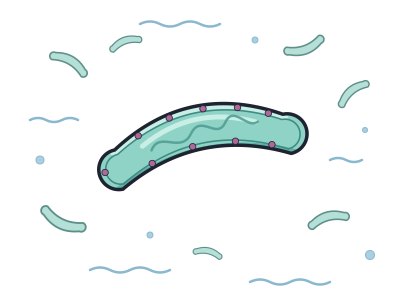
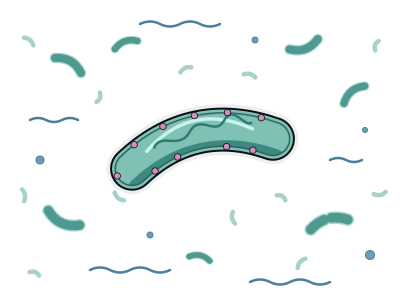
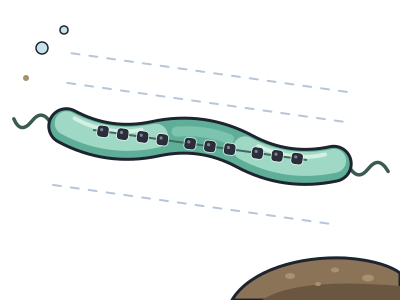
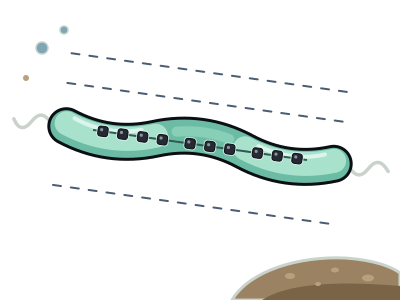
- Magnet bacteriumBuilds a chain of tiny magnets inside its body and uses it like a compass to swim along Earth's field.
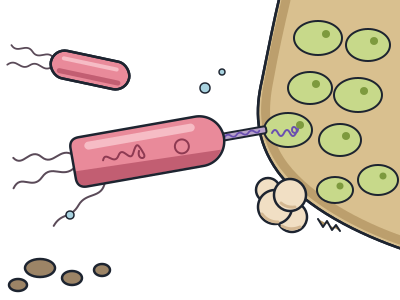
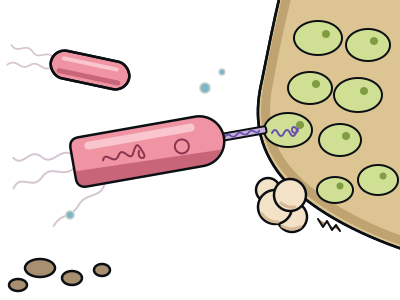
- Crown gall bacteriumNature's genetic engineer: it slips its own genes into plants, a trick scientists borrowed to breed crops.
- Vinegar bacteriumBreathes on wine and cider, turning their alcohol into the sharp acid that makes vinegar.
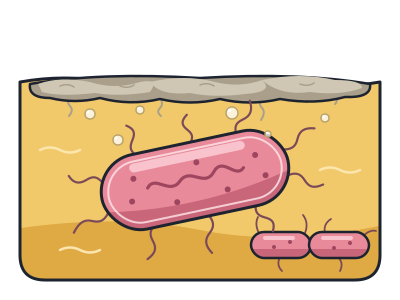
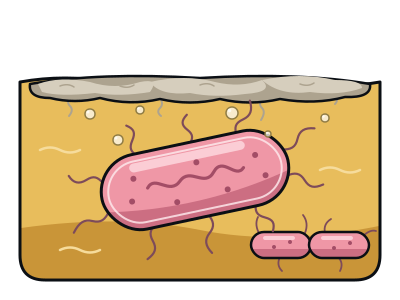
- Kombucha bacteriumSpins pure cellulose threads into the rubbery mat floating on kombucha and the jelly cubes of nata de coco.