A species
Resurrection plant
Selaginella lepidophylla
A desert plant that can look dead for years, then turns green within hours of rain.
You and the resurrection plant meet in the Eukaryotes branch, shown at about 1.8 billion years ago (on 28 July, in a calendar from life's shared ancestor to today).
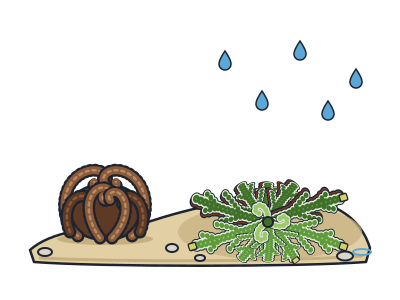
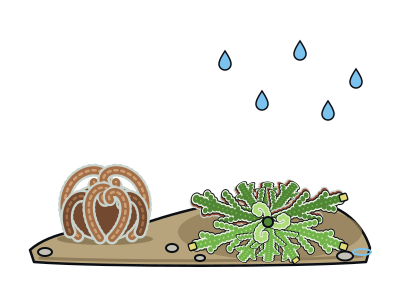
For most of the year, this little desert plant looks dead. Its brown stems curl tightly into a ball, about the size of a tennis ball or a bit smaller. It can stay like this for years. Then the rain comes. Within a few hours the ball opens, and the leaves slowly turn green again. Soon it is making its own food from sunlight. It has to be quick, because the next rain may be months or even years away.
How does it survive? It can lose up to about 95% of its water without lasting harm. As it dries, the outer stems wrap around the inner ones like a shield. They block almost all of the sunlight and protect the delicate parts inside from heat and strong light. Scientists think this curling is one of its most important defences against the harsh desert sun.
It may look like a moss or a fern, but it is neither. It is a lycophyte, a relative of clubmosses and quillworts. Long before the dinosaurs, in a time called the Carboniferous, some of its relatives grew as big as trees. Much of the coal that formed in that time comes from them. So when people burn coal from that age, they are burning the ancient relatives of this small plant.
Not the real rose of Jericho
Shops often sell it as a dry ball called 'rose of Jericho'. That name really belongs to a different plant: a tumbleweed from Africa and the Middle East that does not truly come back to life.
Opening is not proof of life
The curling and uncurling is purely physical. Stiff tissue along the stems makes them bend as they dry, and they can do this many times without breaking. Turning green and growing again is the real sign that the plant is alive.
Few survivors
Only about 1,000 to 1,300 kinds of lycophyte are left today, sorted into just three families: the spikemosses, the clubmosses and the quillworts.
Next to it on the tree
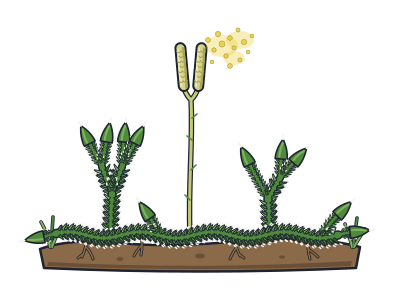
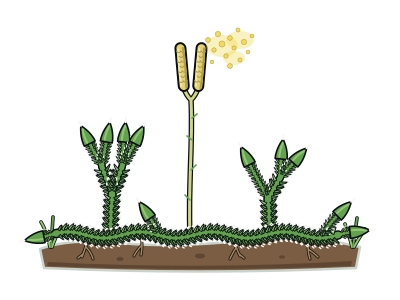
- Stag's-horn clubmossIts spores are so oily they flash like fireworks and were once used for camera flash powder.
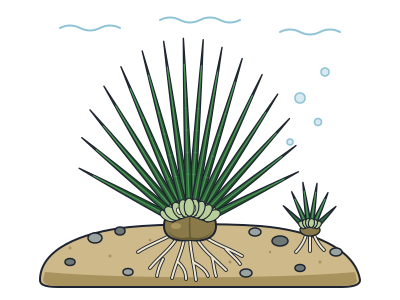
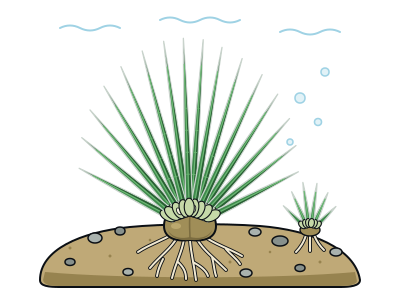
- Lake quillwortA little underwater tuft that is the closest living relative of the giant coal-forest trees.
- Scale treeA 40-metre tree with snakeskin bark; its forests were buried to make much of the world's coal.
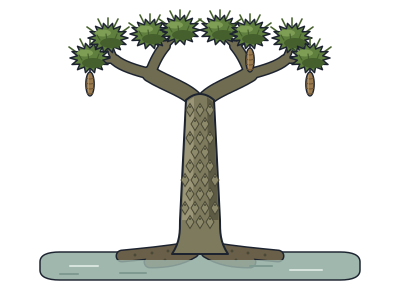
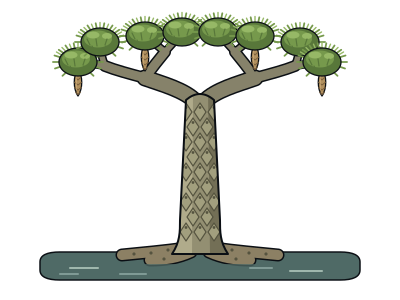
- Seal treeA coal-swamp giant whose bark looked as if it were stamped with rows of seals.
- Peacock spikemossIts leaves shimmer metallic blue in deep shade, thanks to light-bending layers in its cells.
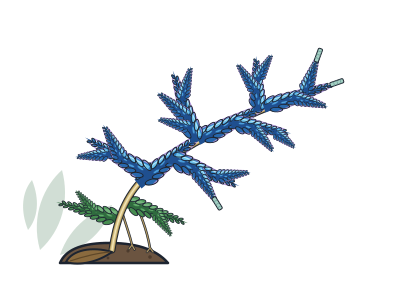
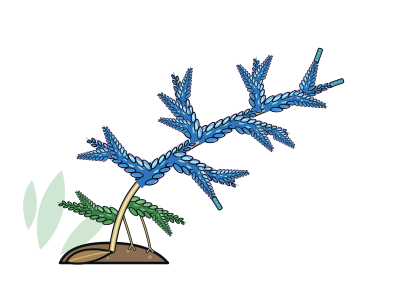
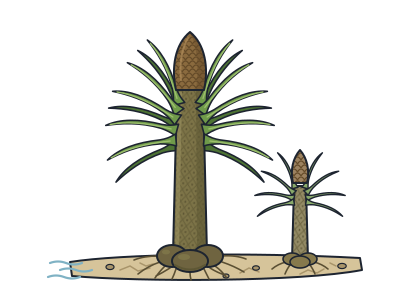
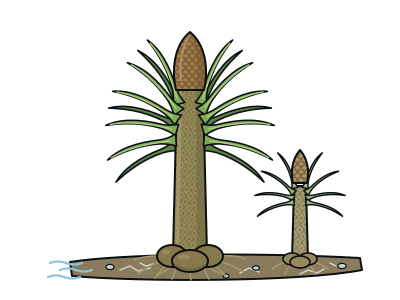
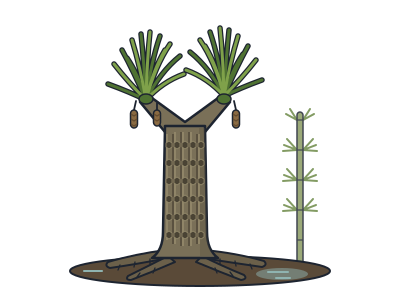
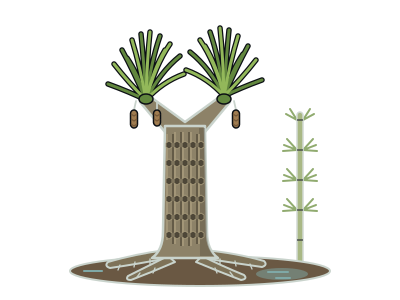
- PleuromeiaA stubby clubmoss tree that spread worldwide after the greatest mass extinction.