A species
Lake quillwort
Isoetes lacustris
A little underwater tuft related to the giant coal-forest trees
You and the lake quillwort meet in the Eukaryotes branch, shown at about 1.8 billion years ago (on 28 July, in a calendar from life's shared ancestor to today).
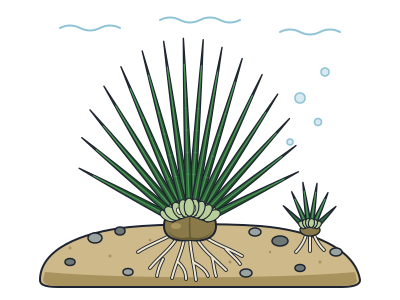
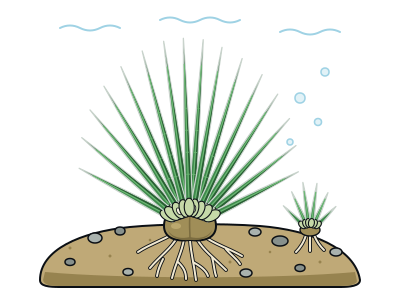
On the bed of a cold, clear lake grows a small tuft of stiff, dark green leaves, usually only about 8 to 20 cm tall. It looks like a clump of grass, but it isn't grass at all. It belongs to the clubmoss group. Scientists count it among the closest living relatives of the scale trees and seal trees that once formed vast swamp forests.
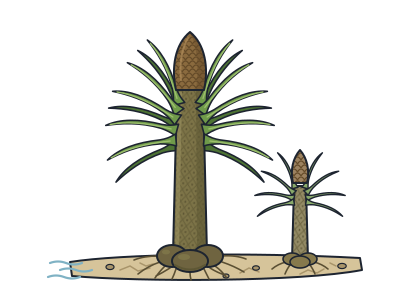
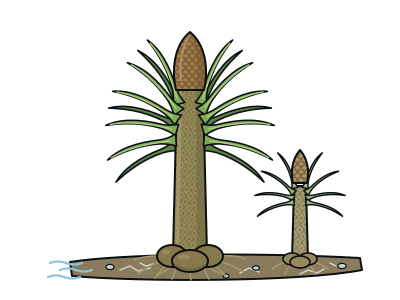
Those trees were giants. They grew over 30 metres tall, higher than a ten-storey building, about 300 to 350 million years ago. When they died in the swamp water, they piled up as peat and later turned into coal. No trees from that branch are left, but quillworts still carry on its family line. The tiny roots of quillworts still branch the same way the giant trees' roots did, a pattern that has stayed the same for about 300 million years.
The family links go further. The spikemosses, such as the resurrection plant, are the quillworts' closest living cousins. Clubmosses like stag's-horn clubmoss are more distant relatives.
Lake quillwort has no flowers and no seeds. It spreads by spores instead. It needs clean water with few nutrients, so it has disappeared from some lowland lakes after farm run-off polluted them.
Underwater lawns
Lake quillwort often grows so thickly that it forms green underwater 'lawns' covering many square metres. It has been found as deep as 6 metres in a Scottish loch.
High and low
In Britain it grows anywhere from sea level up to 904 metres, high on the mountain Beinn Dubhcraig in Scotland. It has also moved into reservoirs.
Mixing with a neighbour
It often shares lakes with another kind, the spring quillwort, and the two sometimes cross to make hybrid plants.
Next to it on the tree
- Stag's-horn clubmossIts spores are so oily they flash like fireworks and were once used for camera flash powder.
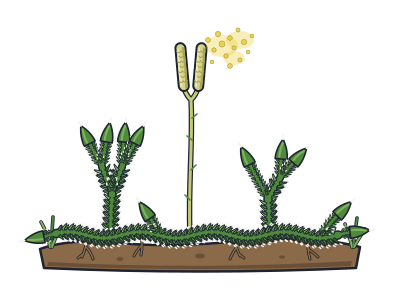
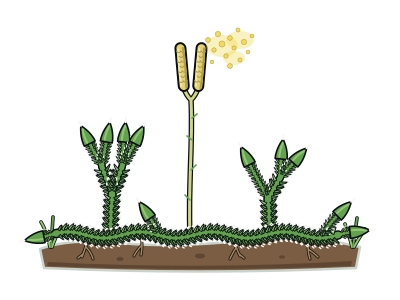
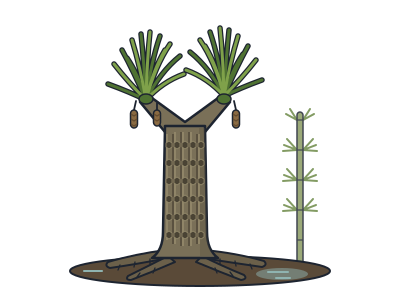
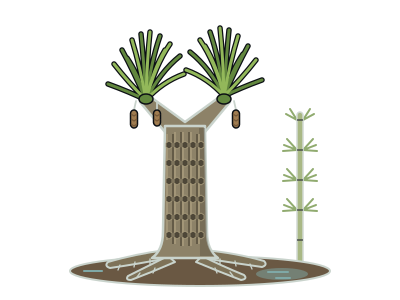
- Scale treeA 40-metre tree with snakeskin bark; its forests were buried to make much of the world's coal.
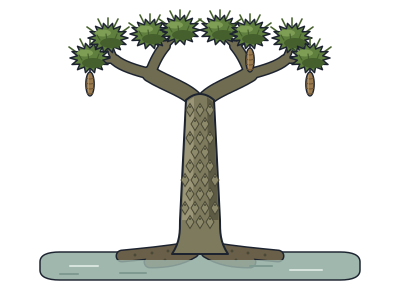
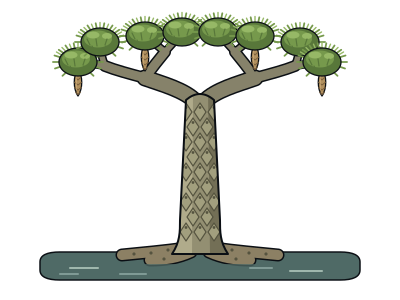
- Resurrection plantCurls into a dry brown ball for years, then turns green within hours of rain.
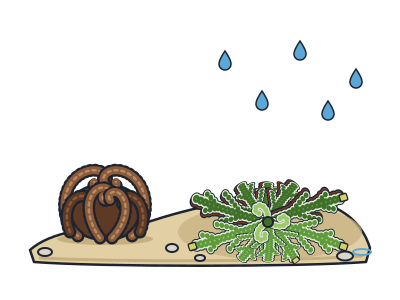
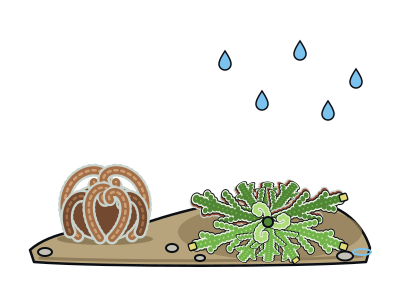
- Seal treeA coal-swamp giant whose bark looked as if it were stamped with rows of seals.
- Peacock spikemossIts leaves shimmer metallic blue in deep shade, thanks to light-bending layers in its cells.
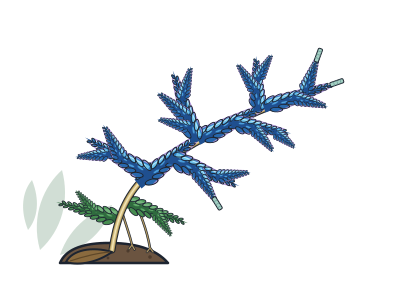
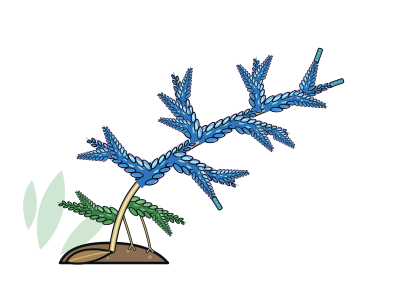
- PleuromeiaA stubby clubmoss tree that spread worldwide after the greatest mass extinction.