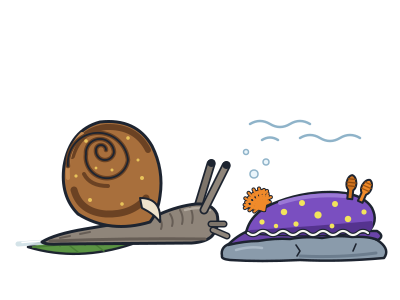
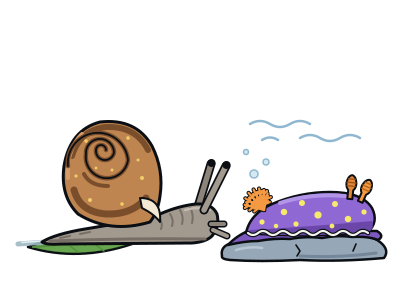
A group of living things
Sea snails and whelks
Caenogastropoda
The biggest group of snails, including most seashells you find on a beach.
This branch is shown at about 230 million years ago; its age is a rough estimate.
You and sea snails and whelks meet in the Two-sided animals branch, shown at about 580 million years ago (on 11 November, in a calendar from life's shared ancestor to today).
Two-sided animalsStarfish, sea squirts and usChordatesVertebratesJawed vertebratesBony fish and their descendantsLobe-finned fishFish on the way to landFour-limbed animalsAmniotesMammals and their ancestorsMammalsLive-bearing mammalsPlacental mammalsPrimates, rodents and rabbitsPrimatesApesGreat apesHumans and chimpanzeesHumanMouth-first animalsMolluscs, worms and kinMolluscs, ringed worms and kinMolluscsSnails and slugsSea snails and whelks
The biggest group of snails, including most seashells you find on a beach.
The full page for Sea snails and whelks is still being written and drawn.
Inside sea snails and whelks
- Geography coneHarpoons fish with venom so potent it has killed people; cone snail venom inspired a painkiller.
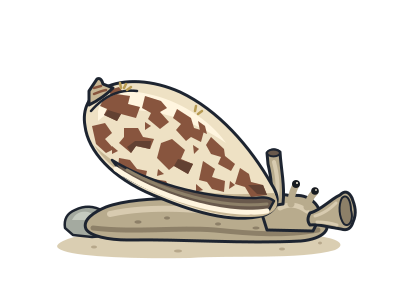
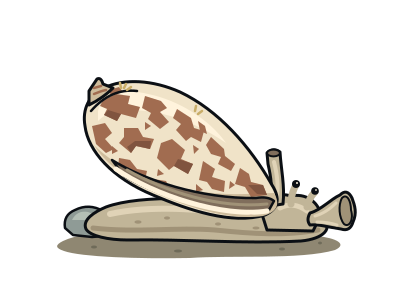
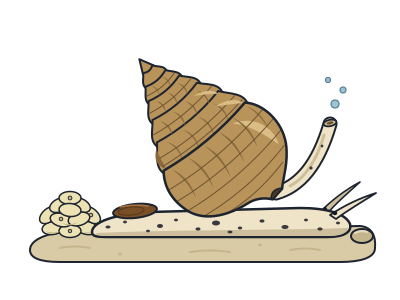
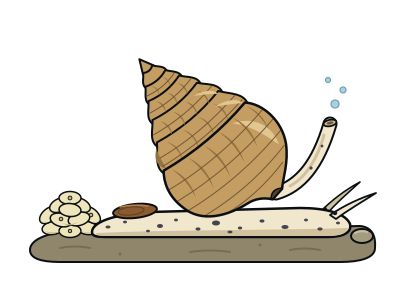
- Common whelkA scavenging sea snail whose spongy egg cases wash up on beaches as "sea wash balls".
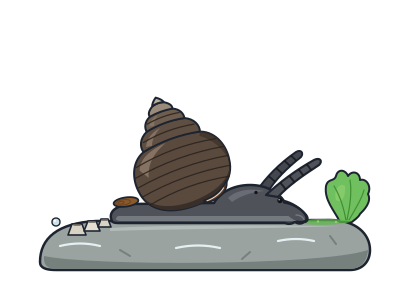
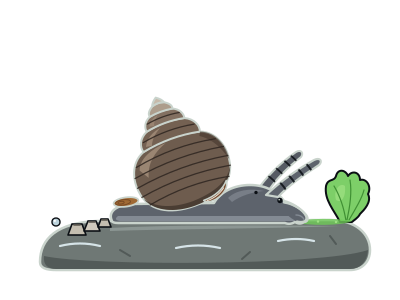
- Common periwinkleThe little dark snail of rocky shores that grazes on algae as the tide goes out.
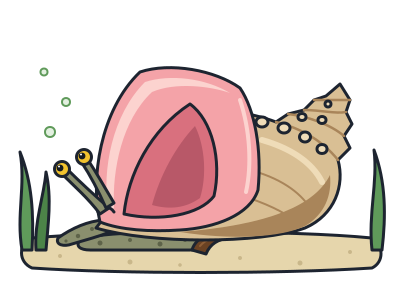
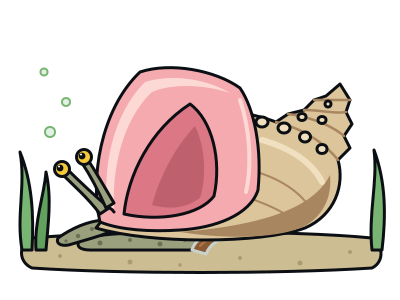
- Queen conchA big snail with a pink-lipped shell that can be blown like a trumpet.
- Tiger cowrieA glossy spotted shell that the snail polishes by wrapping its own body around it.
- Violet sea snailFloats upside down on a raft of bubbles it makes from mucus.
Next to it on the tree
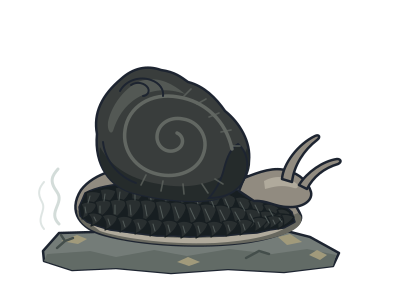
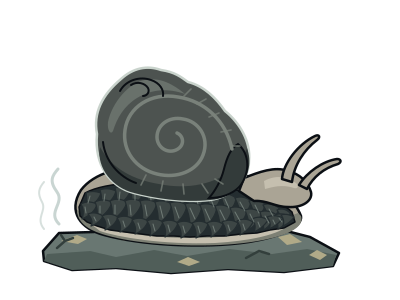
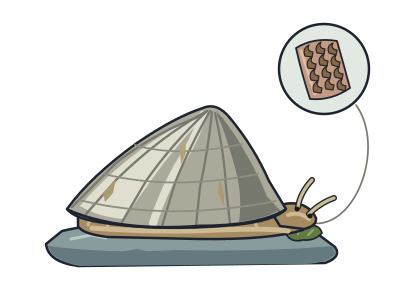
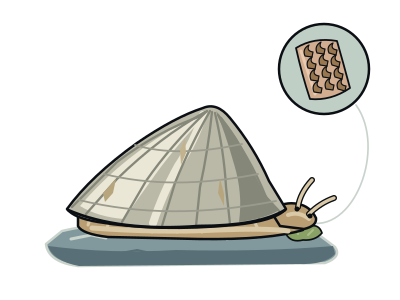
- Scaly-foot snailA deep-sea vent snail armoured with iron scales.
- Common limpetIts teeth are the strongest natural material known.
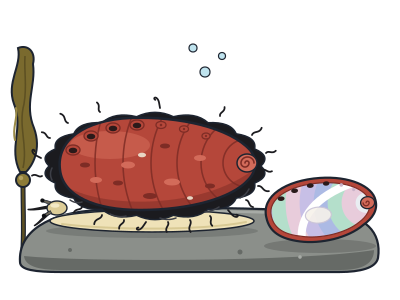
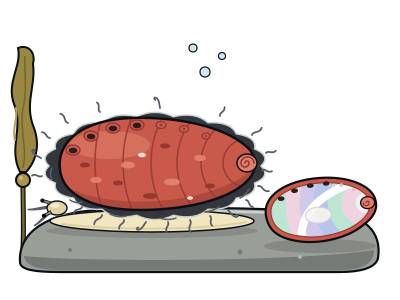
- Red abaloneA sea snail with an ear-shaped shell lined with rainbow mother-of-pearl.
- Slugs, land snails and sea slugsSnails that often lost or shrank their shell, and some that moved onto land and breathe air.