A species
Common limpet
Patella vulgata
A sea snail with record-breaking teeth.
You and the common limpet meet in the Two-sided animals branch, shown at about 580 million years ago (on 11 November, in a calendar from life's shared ancestor to today).
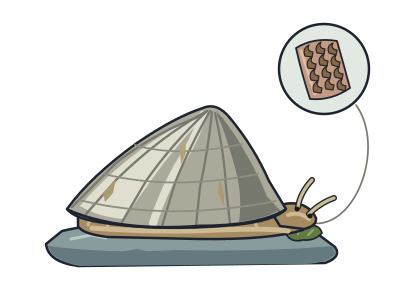
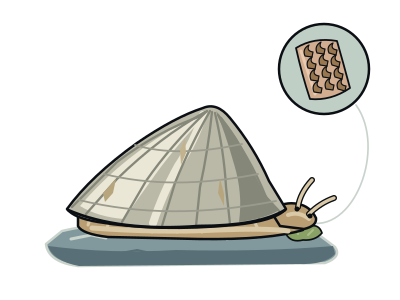
The common limpet’s teeth contain the strongest known biological material for resisting being pulled apart. That is the careful meaning behind its strength record: it is about tooth material, not an unbreakable shell. Extremely fine fibres of an iron-containing mineral called goethite reinforce softer material inside each tooth. In tests, the strongest samples outperformed the spider silk used for comparison.
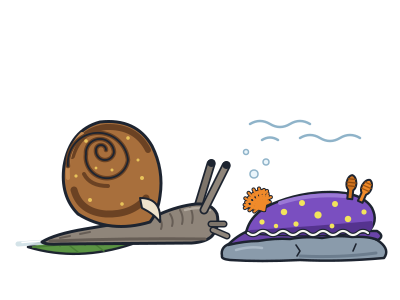
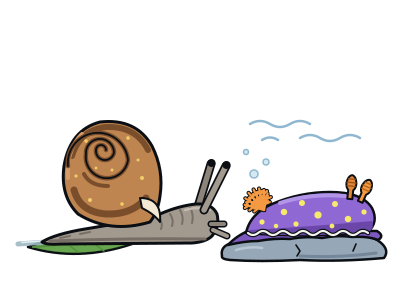
This little animal belongs to the same broad snail-and-slug group as garden snails and sea slugs. Despite its cone-shaped shell, it is a sea snail, not a barnacle. Like a garden snail, it travels on one muscular foot beneath its body rather than staying permanently fixed in place.
After feeding, adults generally return to a resting spot called a home scar. The shell edge wears a shallow mark into the rock, making a close-fitting resting place that helps prevent drying out. A limpet’s home is more carefully fitted than it first appears.
Some change sex
Common limpets usually mature first as males. Some later become females, but not every individual changes sex.
A watery beginning
Their young initially live in the water before settling onto rock. Newly settled youngsters favour pools and damp places.
A surprisingly long life
Some live for about 10–20 years, although lifespan varies greatly with conditions.
Next to it on the tree
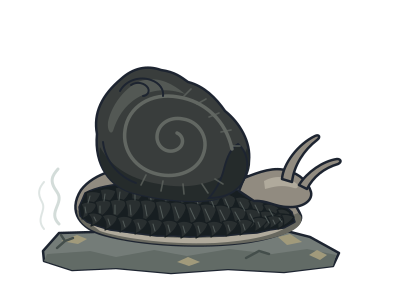
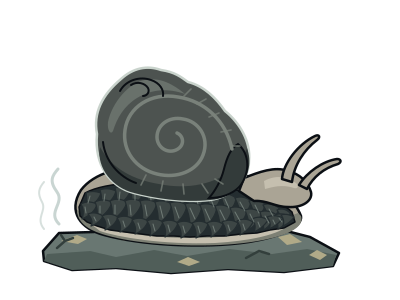
- Scaly-foot snailA deep-sea vent snail armoured with iron scales.
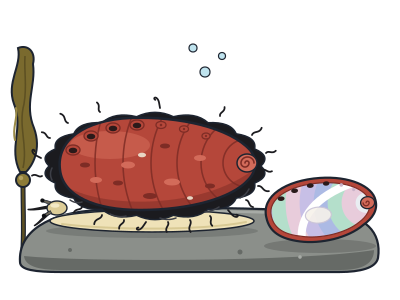
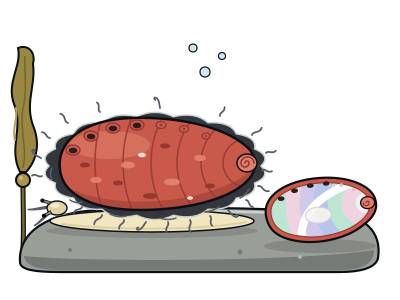
- Red abaloneA sea snail with an ear-shaped shell lined with rainbow mother-of-pearl.
- Sea snails and whelksThe biggest group of snails, including most seashells you find on a beach.
- Slugs, land snails and sea slugsSnails that often lost or shrank their shell, and some that moved onto land and breathe air.