A group of living things
Molluscs, ringed worms and kin
Lophotrochozoa
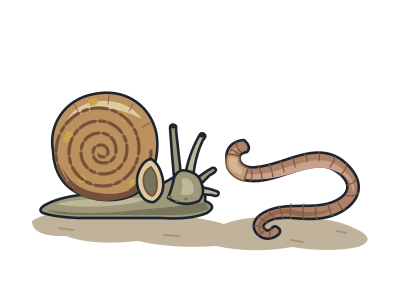
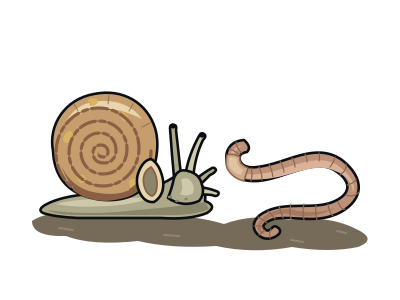
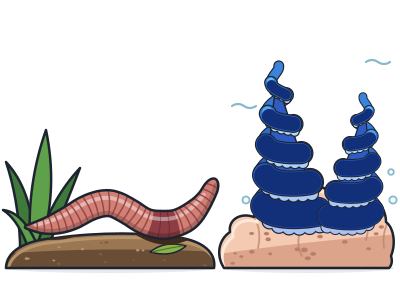
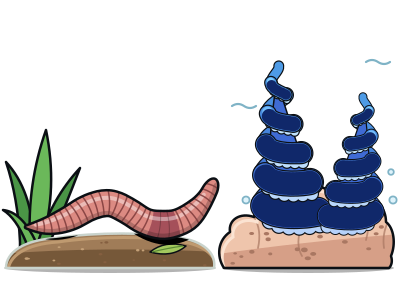
A snail and an earthworm belong on the same family branch.
This branch is shown at about 550 million years ago; its age is a rough estimate.
You and molluscs, ringed worms and kin meet in the Two-sided animals branch, shown at about 580 million years ago (on 11 November, in a calendar from life's shared ancestor to today).
A snail beside an earthworm may not look like a family portrait. Yet molluscs, segmented worms, lamp shells and moss animals share this branch, along with ribbon worms. Their adult bodies can look very different. Comparing their genetic material—the inherited instructions inside their cells—helped scientists uncover the connection.
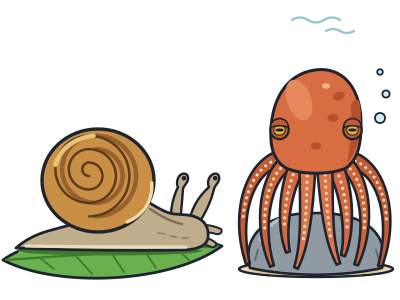
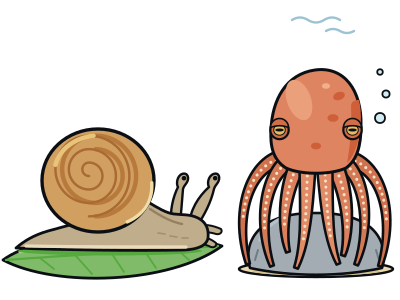
The mollusc part of the family includes snails, slugs, clams, oysters, squid and octopuses. A visible outer shell is not a family requirement. Nor is a worm-like shape enough to make an animal a segmented worm: ribbon worms belong to a separate group.
Some clues appear early in life. Many sea-living molluscs and segmented worms have similar young swimming stages, moved along by beating, hair-like structures. Earthworms take a different route: their young grow inside egg cocoons and emerge as little worms. Not every member follows the same pattern.
Not quite a clam
A lamp shell’s two shell halves cover its upper and lower surfaces. A clam’s shell halves cover its two sides.
Skin that breathes
Earthworms breathe through moist skin rather than lungs.
A grip on the ground
Tiny bristles help earthworms grip the soil while waves of muscle movement stretch and shorten their bodies.
Inside molluscs, ringed worms and kin
- MolluscsSnails, clams and octopuses: one family, wildly different bodies.
- Segmented wormsWorms built from repeated rings: earthworms, leeches and colourful sea worms.
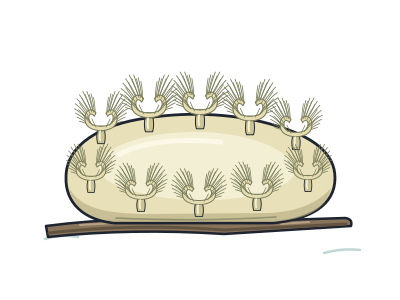
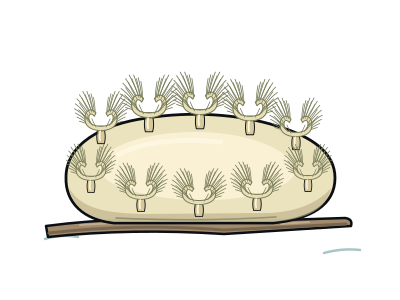
- Moss animalA crawling jelly colony of tiny tentacled animals in fresh water.
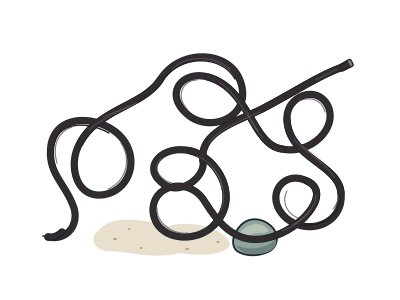
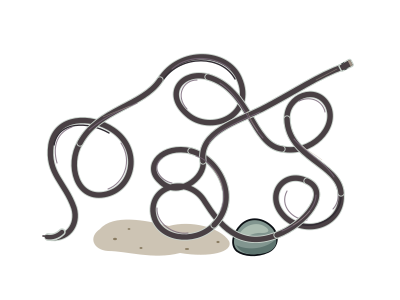
- Bootlace wormMay be the longest animal, with records of 30 metres or more.
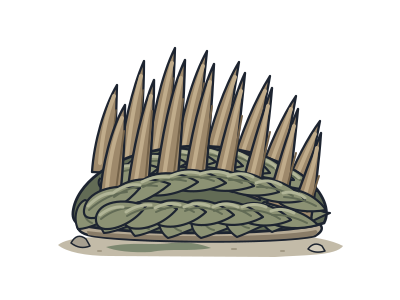
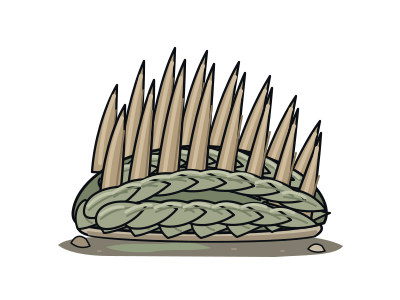
- WiwaxiaA Cambrian slug covered in scales and tall spines.
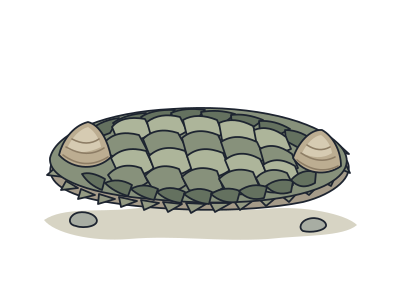
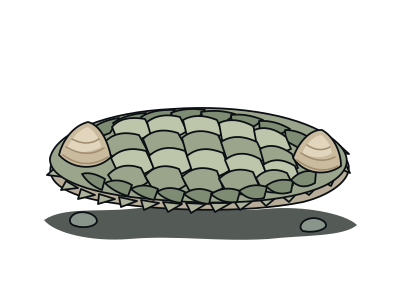
- HalkieriaA Cambrian slug covered in chain-mail scales, with a small shell at each end.
- Lamp shells and horseshoe wormsFilter feeders with a crown of tentacles; some hide in two-part shells, some in tubes.
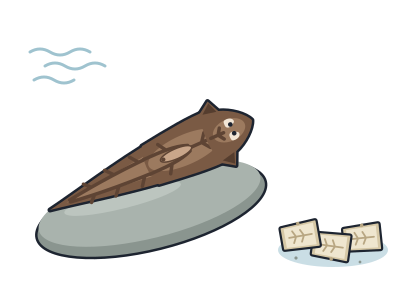
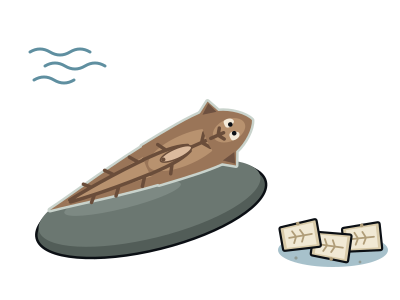
- OdontogriphusA flat Burgess Shale grazer with a toothed tongue, perhaps a shell-less early mollusc.
Next to it on the tree
- Bdelloid rotiferA microscopic animal with no males for millions of years that steals genes from microbes.
- FlatwormsFlat worms whose gut has only one opening, from regrowing planarians to parasites.
- Arrow wormA glassy dart of a plankton predator that grabs prey with spines around its mouth.
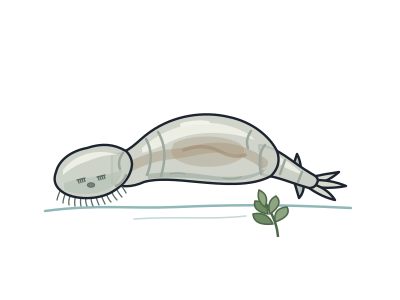
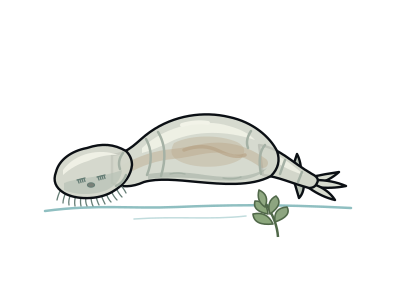
- AmiskwiaA finned Burgess Shale swimmer with jaws, long argued over as an arrow worm, ribbon worm or something else.