A species
Moss animal
Cristatella mucedo
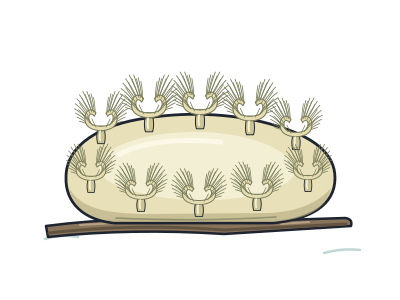
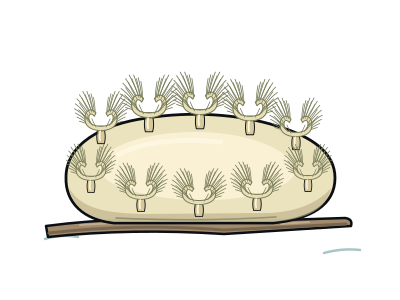
A crawling jelly colony made of tiny tentacled animals.
You and the moss animal meet in the Two-sided animals branch, shown at about 580 million years ago (on 11 November, in a calendar from life's shared ancestor to today).
A jelly-like colony of tiny tentacled animals crawls along underwater surfaces. Despite its name, the moss animal is not a plant. It belongs to the same broad animal branch as molluscs and segmented worms. Its worm-like outline is misleading: the strip contains many connected animals, rather than one long individual.
Young colonies are rounded, but become longer as they grow. Their see-through jelly is off-white to pale yellow. Each feeding animal raises a horseshoe-shaped crown of fine tentacles. Underneath, the colony has a creeping sole with crossing layers of muscle. Most other kinds of moss animal stay attached in one place; this species can slide along submerged surfaces.
It lives on underwater wood, stones and plants in lakes and slow-flowing waters. The colony grows by budding new animals, and a large colony can pinch into smaller colonies. It also makes tough resting buds that can survive winter and start colonies when conditions improve.
Matching neighbours
The tiny animals within a colony are clones: genetically identical copies.
A tiny shelter
Freshwater moss animal colonies provide shelter for other tiny water animals.
Tiny hooked discs
Its round resting buds are about 1 mm across, with hooked spines around their edges.
Next to it on the tree
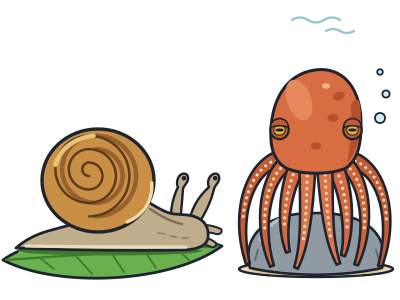
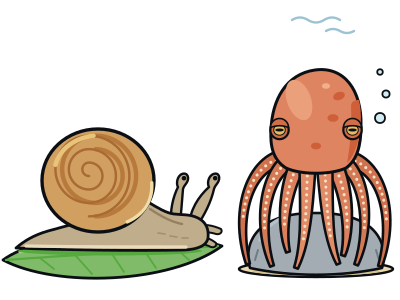
- MolluscsSnails, clams and octopuses: one family, wildly different bodies.
- Segmented wormsWorms built from repeated rings: earthworms, leeches and colourful sea worms.
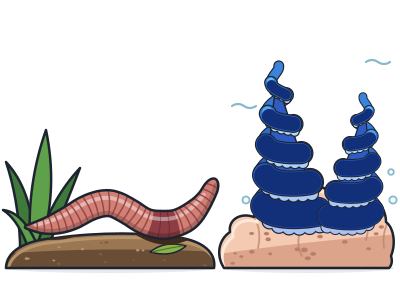
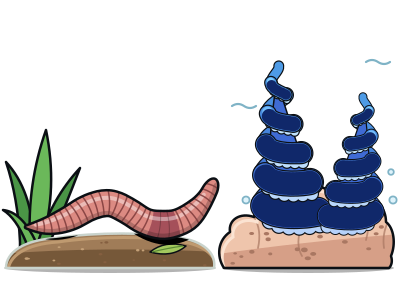
- Bootlace wormMay be the longest animal, with records of 30 metres or more.
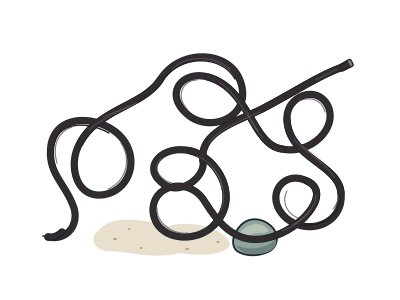
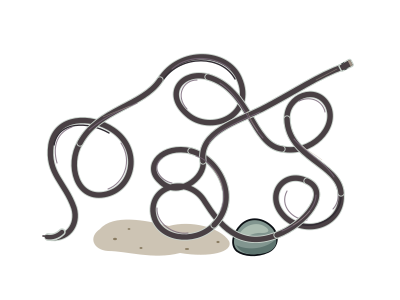
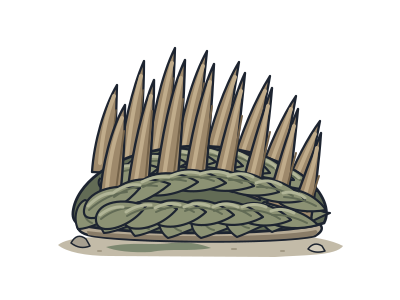
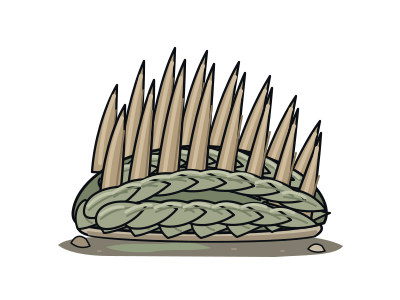
- WiwaxiaA Cambrian slug covered in scales and tall spines.
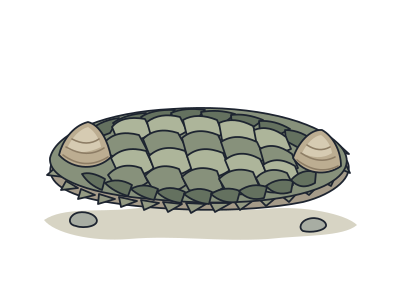
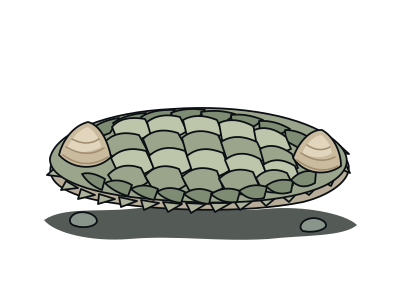
- HalkieriaA Cambrian slug covered in chain-mail scales, with a small shell at each end.
- Lamp shells and horseshoe wormsFilter feeders with a crown of tentacles; some hide in two-part shells, some in tubes.
- OdontogriphusA flat Burgess Shale grazer with a toothed tongue, perhaps a shell-less early mollusc.