An extinct species
Odontogriphus †
Odontogriphus omalus
A flat Burgess Shale grazer with a toothed tongue, perhaps a shell-less early mollusc.
Lived about 510–505 million years ago.
You and the odontogriphus meet in the Two-sided animals branch, shown at about 580 million years ago (on 11 November, in a calendar from life's shared ancestor to today).
Two-sided animalsStarfish, sea squirts and usChordatesVertebratesJawed vertebratesBony fish and their descendantsLobe-finned fishFish on the way to landFour-limbed animalsAmniotesMammals and their ancestorsMammalsLive-bearing mammalsPlacental mammalsPrimates, rodents and rabbitsPrimatesApesGreat apesHumans and chimpanzeesHumanMouth-first animalsMolluscs, worms and kinMolluscs, ringed worms and kinOdontogriphus †
A flat Burgess Shale grazer with a toothed tongue, perhaps a shell-less early mollusc.
The full page for Odontogriphus is still being written and drawn.
Next to it on the tree
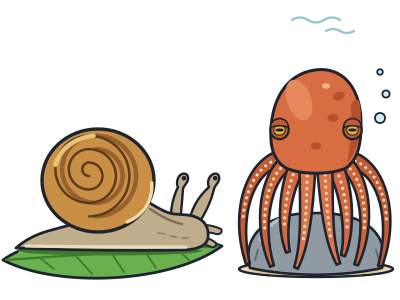
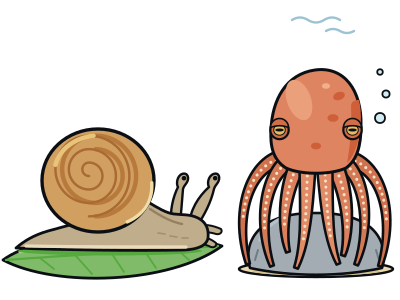
- MolluscsSnails, clams and octopuses: one family, wildly different bodies.
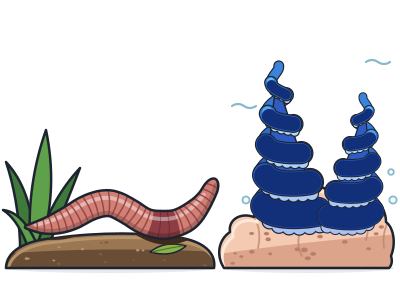
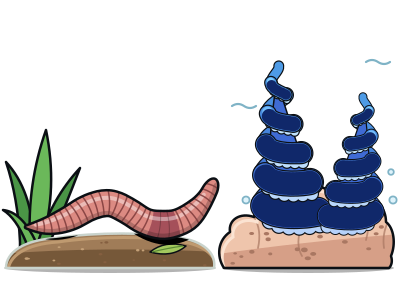
- Segmented wormsWorms built from repeated rings: earthworms, leeches and colourful sea worms.
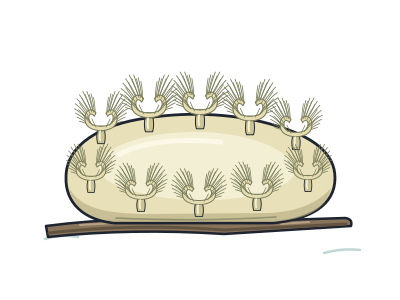
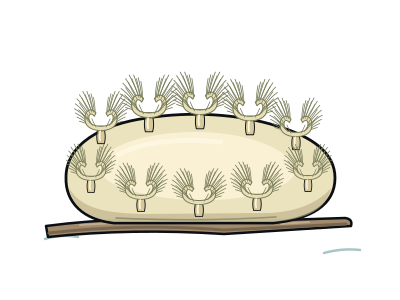
- Moss animalA crawling jelly colony of tiny tentacled animals in fresh water.
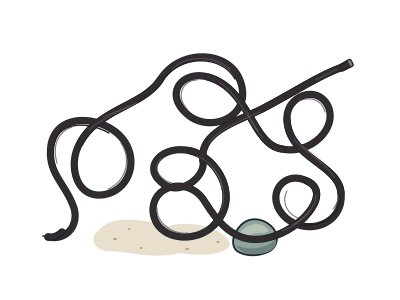
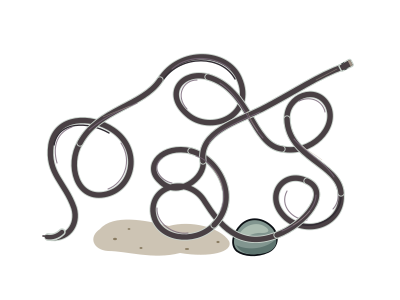
- Bootlace wormMay be the longest animal, with records of 30 metres or more.
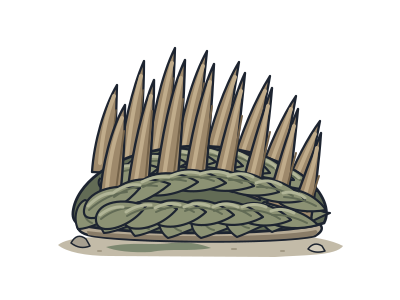
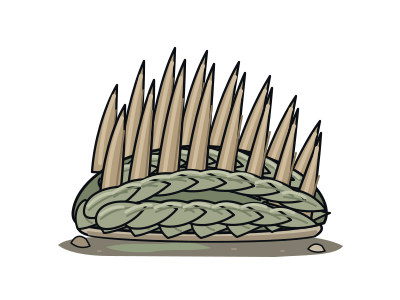
- WiwaxiaA Cambrian slug covered in scales and tall spines.
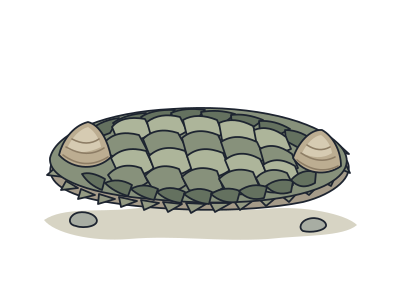
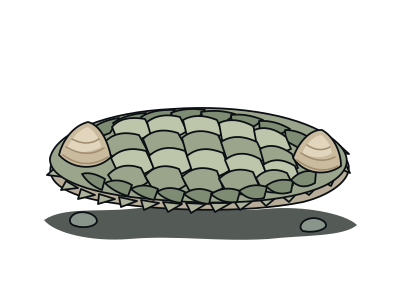
- HalkieriaA Cambrian slug covered in chain-mail scales, with a small shell at each end.
- Lamp shells and horseshoe wormsFilter feeders with a crown of tentacles; some hide in two-part shells, some in tubes.