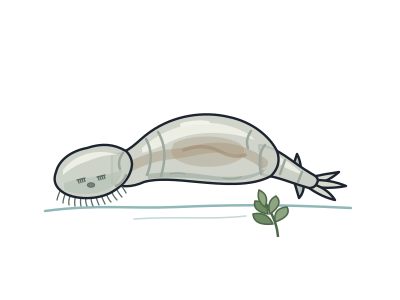
A species
Bdelloid rotifer
Adineta vaga
A tiny animal with borrowed genes and no known males
You and the bdelloid rotifer meet in the Two-sided animals branch, shown at about 580 million years ago (on 11 November, in a calendar from life's shared ancestor to today).
This microscopic animal belongs to a rotifer group in which no male has been conclusively reported, despite centuries of study. Females lay eggs that develop without fertilisation: a mother does not need a male. Its other surprise is borrowed genes—the instructions used by living cells—from microbes and other organisms.
These borrowed instructions include genes from bacteria, fungi and plants. Some help run the animals’ chemistry, rather than simply sitting unused. Comparisons between species suggest that most of this borrowing happened long ago. It is an inherited collection, not something shown to happen whenever an individual feeds.
Borrowing genes does not make this animal a bacterium. It belongs to the same broad animal branch as flatworms, molluscs and ringed worms, though it is not a miniature version of any of them. It has a head, mouth and gut, along with muscles and nerves. It is a whole animal, not a single cell.
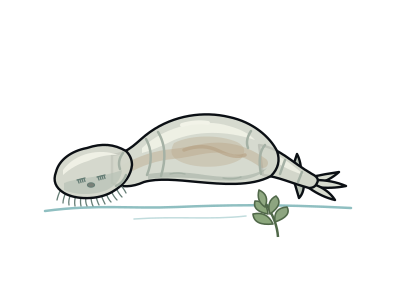
No eyes
Traditional descriptions report no eyes.
A surprising foot
Its narrow rear foot is described as having three toes and two pointed spurs.
Subtle colours
It is usually colourless, though faint reddish, brownish or greyish tones have been reported.
Next to it on the tree
- FlatwormsFlat worms whose gut has only one opening, from regrowing planarians to parasites.
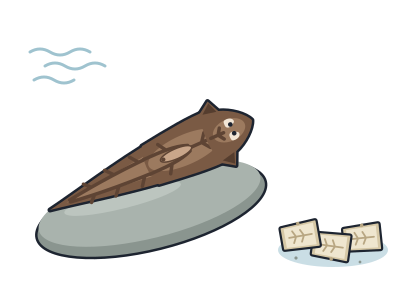
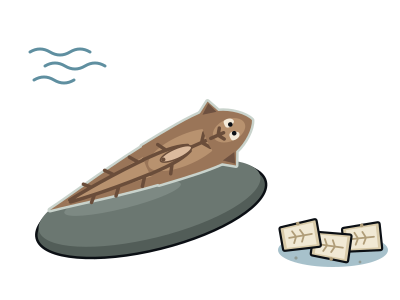
- Molluscs, ringed worms and kinMolluscs, segmented worms, lamp shells and moss animals share one branch.
- Arrow wormA glassy dart of a plankton predator that grabs prey with spines around its mouth.
- AmiskwiaA finned Burgess Shale swimmer with jaws, long argued over as an arrow worm, ribbon worm or something else.