A group of living things
Flatworms
Platyhelminthes
Soft, flat worms with a one-door gut, from regrowing planarians to tapeworms.
This branch is shown at about 530 million years ago; its age is a rough estimate.
You and flatworms meet in the Two-sided animals branch, shown at about 580 million years ago (on 11 November, in a calendar from life's shared ancestor to today).
Imagine a stomach with only one door. In most flatworms, food goes in and waste comes out through the same opening, so meals are dealt with one batch at a time. Flatworms are not earthworms, but they sit on the same big branch of the animal tree as earthworms, snails and clams.
Their bodies are remarkably simple. Flatworms have no heart or blood vessels, no lungs or gills, and no body cavity. Because they are so flat, oxygen and food can spread to every cell straight through the tissues.
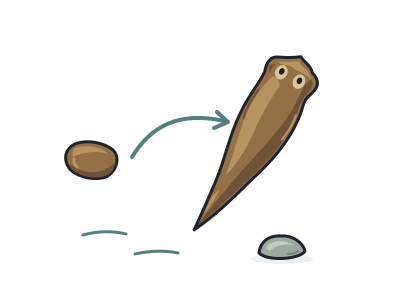
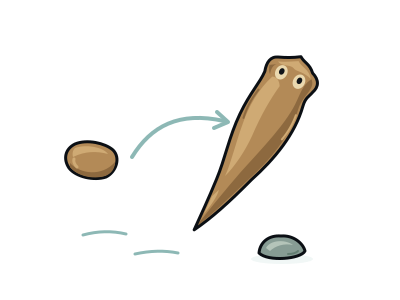
The planarian scientists study in labs is about 1 cm long and glides over stones on tiny hairs. Cut many planarians into pieces and the pieces can regrow into new worms. In the late 1800s, a scientist grew a whole worm from a piece about 1/279th the size of the original. Special stem cells make this possible.
Other flatworms are parasites. Tapeworms have lost their gut completely and soak up food through their skin. The beef tapeworm can grow to about 10 metres, as long as a bus. Blood flukes get into people through the skin when they are in water where infected snails live. In 2024, more than 250 million people needed preventive treatment for the disease these flukes cause, nearly all of them in Africa.
Clues in shark poo
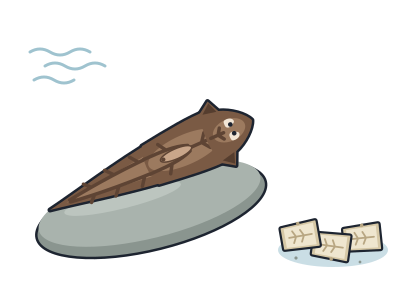
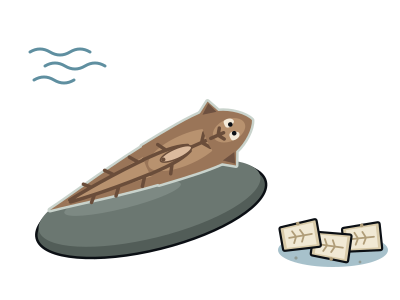
The oldest flatworm fossils identified with confidence are tapeworm eggs found in fossilised shark dung about 270 million years old.
Living in a groove
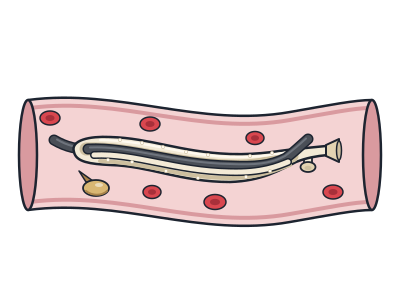
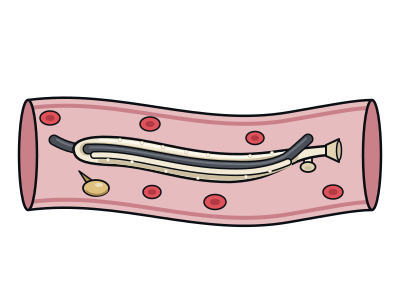
Most flatworms are both male and female, but blood flukes come as separate males and females. The longer, thinner female lives in a groove along the male's body.
Shrink to survive
When a lab planarian goes hungry, it shrinks but keeps its body shape. Once it is fed again, it grows back to its normal size.
Inside flatworms
- PlanarianCut it into pieces and each piece regrows into a whole worm.
- Beef tapewormA gut parasite with no mouth or gut of its own that can grow metres long.
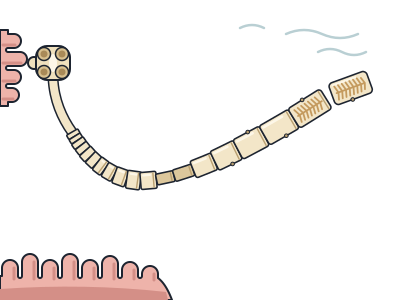
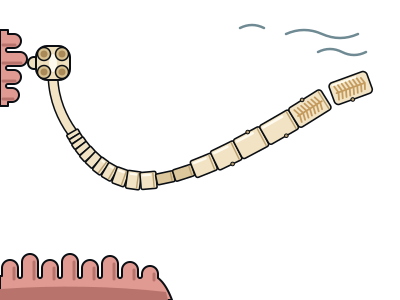
- Blood flukeA parasite that lives in blood vessels and infects millions through fresh water.
- Persian carpet flatwormA reef flatworm patterned like a rug that ripples through the water.
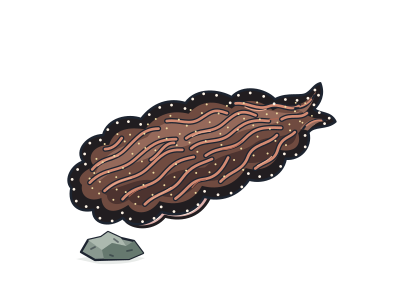
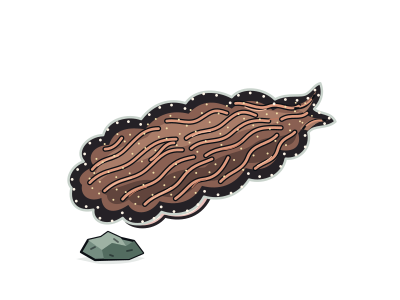
- Hammerhead flatwormA long land flatworm with a head shaped like a shovel that hunts earthworms on garden paths.
Next to it on the tree
- Bdelloid rotiferA microscopic animal with no males for millions of years that steals genes from microbes.
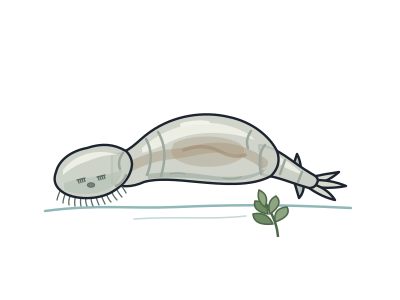
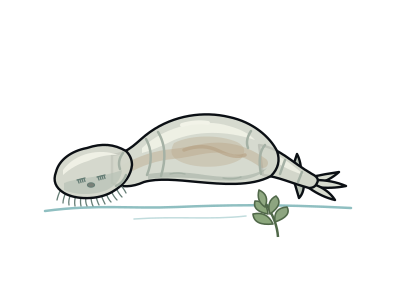
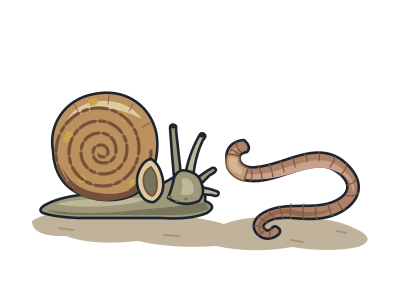
- Molluscs, ringed worms and kinMolluscs, segmented worms, lamp shells and moss animals share one branch.
- Arrow wormA glassy dart of a plankton predator that grabs prey with spines around its mouth.
- AmiskwiaA finned Burgess Shale swimmer with jaws, long argued over as an arrow worm, ribbon worm or something else.