A species
Persian carpet flatworm
Pseudobiceros bedfordi
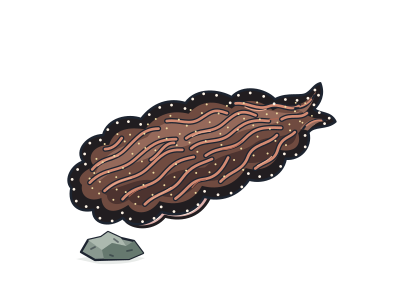
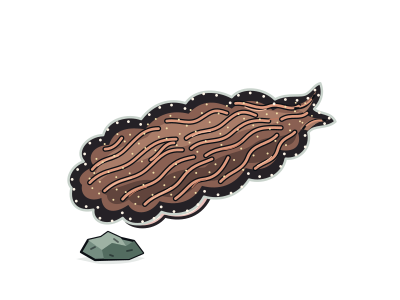
A living reef rug with rippling edges.
You and the persian carpet flatworm meet in the Two-sided animals branch, shown at about 580 million years ago (on 11 November, in a calendar from life's shared ancestor to today).
The Persian carpet flatworm looks like a tiny patterned rug rippling through the sea. It swims by sending waves along its ruffled body edges. Its flat shape and rich colours explain its carpet name. The surprising family connection is to tapeworms and flukes: all belong to the wider flatworm group.
Unlike those relatives, this reef dweller is not a parasite. It lives independently rather than making its home inside another animal. Although it can swim, it spends much of its time sheltered among reef rubble, rocks and ledges. Its home is in shallow coastal seas, including reefs, bays and lagoons.
Its delicate body is extremely thin, with a slightly thicker strip down the middle. Large individuals can reach about 8–10 centimetres long, roughly the length of a child's palm. That makes this colourful swimmer much smaller than the household carpet its name brings to mind.
Not ears
The two ear-like points at the front are folds of its body edges, not ears or separate limbs.
A meal that stays put
It eats sea squirts: animals that live attached to underwater surfaces.
Breathing through its surface
It has no gills. Oxygen passes directly across its body surface.
Next to it on the tree
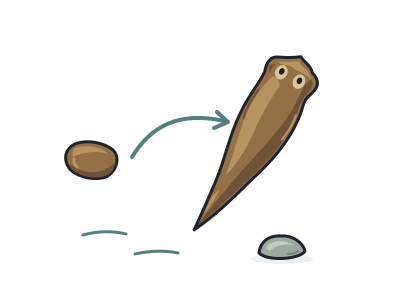
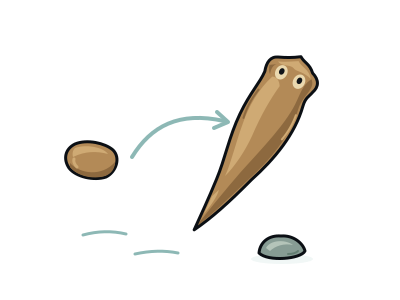
- PlanarianCut it into pieces and each piece regrows into a whole worm.
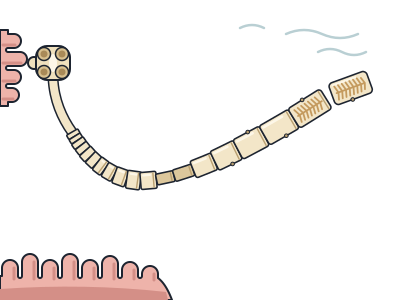
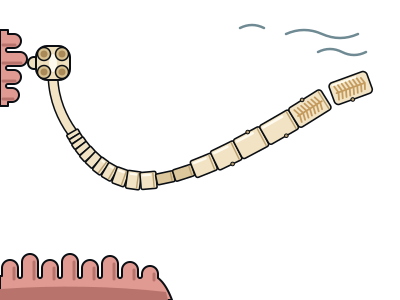
- Beef tapewormA gut parasite with no mouth or gut of its own that can grow metres long.
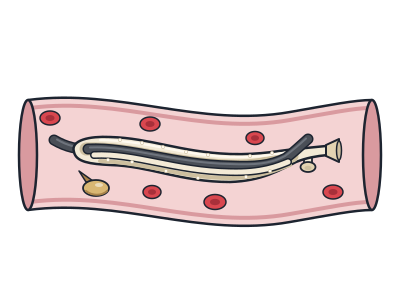
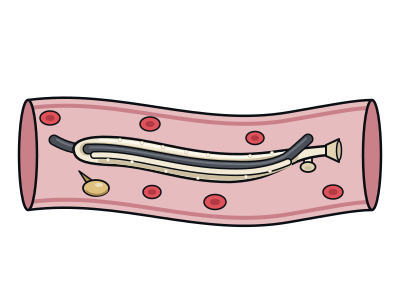
- Blood flukeA parasite that lives in blood vessels and infects millions through fresh water.
- Hammerhead flatwormA long land flatworm with a head shaped like a shovel that hunts earthworms on garden paths.