An extinct group
Sauropods †
Sauropoda
Long-necked relatives that included the biggest land animals ever.
This branch is shown at about 200 million years ago; its age is a rough estimate.
Lived about 200–66 million years ago.
You and sauropods meet in the Amniotes branch, shown at about 320 million years ago (on 4 December, in a calendar from life's shared ancestor to today).
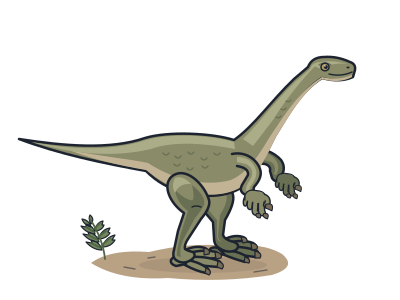
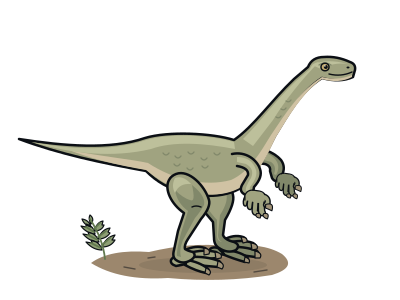
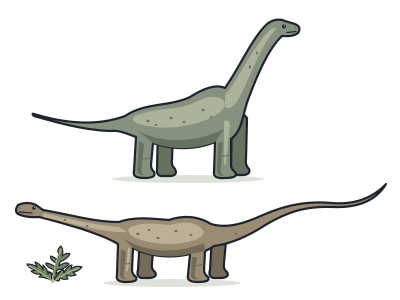
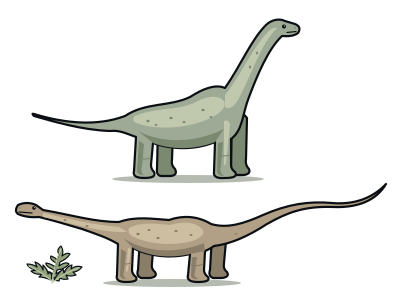
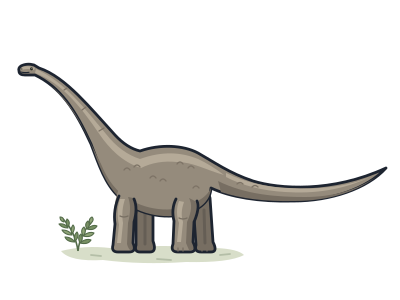
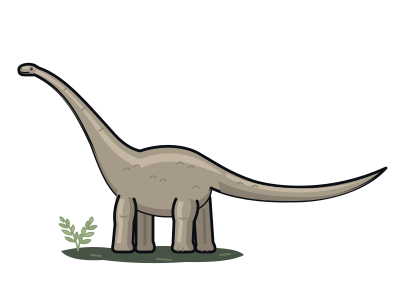
Sauropods were four-legged dinosaurs with long necks and tails, and their family included the biggest animals ever to live on land. Diplodocus and Brachiosaurus were both members, but they carried their huge bodies differently. These relatives shared a basic body plan, not one identical shape.
They lived about 200 to 66 million years ago. They ate plants and swallowed their food without chewing it. Unlike many plant-eating mammals, they did not need heavy chewing equipment in their small heads. Their long necks let them reach a wide area of plants without moving their whole bodies.
Fossil bones showed that Brachiosaurus had longer front legs than back legs. This raised its shoulders and made its back slope upwards towards its neck. Diplodocus had a lower, more stretched-out shape, with much of its length in its neck and slender tail.
A worldwide family
Sauropod fossils have been found on every continent, including Antarctica.
Lighter on the inside
Air-filled spaces lightened parts of their skeletons.
A tail of many pieces
A Diplodocus tail contained about 80 bones.
Inside sauropods
- BrachiosaurusFront legs longer than back legs lifted its head like a giraffe's, but about twice as high.
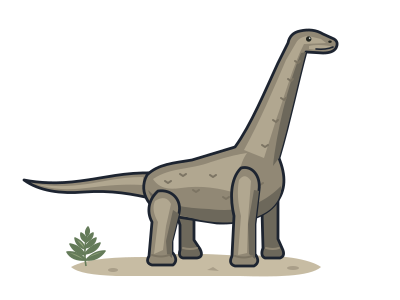
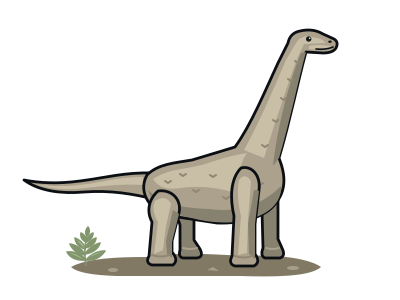
- ArgentinosaurusPossibly the heaviest land animal ever, as heavy as about ten elephants.
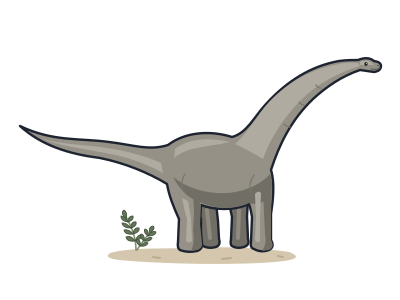
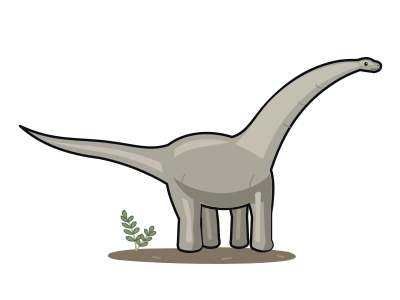
- DiplodocusA whip-tailed giant; casts of 'Dippy' stand in museums around the world.
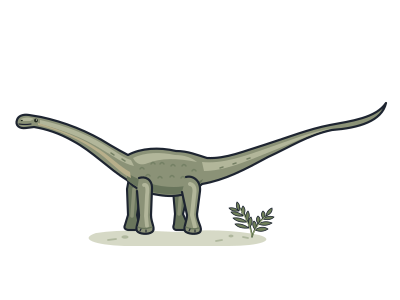
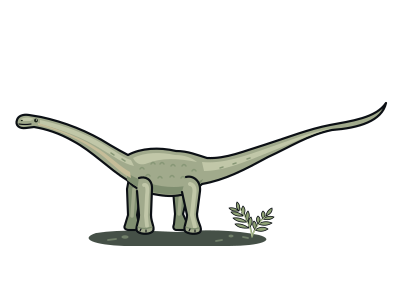
- ApatosaurusA thick-necked giant at the centre of the old Brontosaurus mix-up.
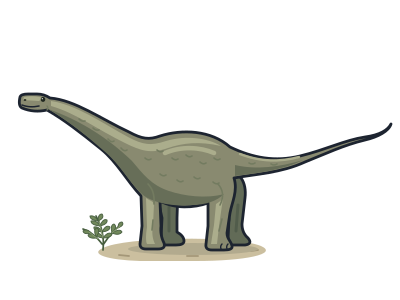
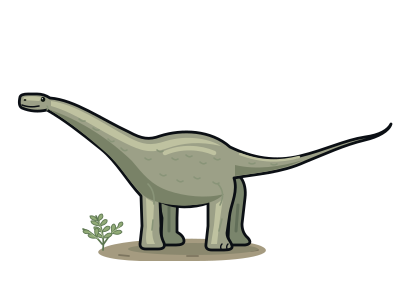
- BrontosaurusThe 'thunder lizard' was folded into Apatosaurus in 1903, then revived as its own genus in 2015.
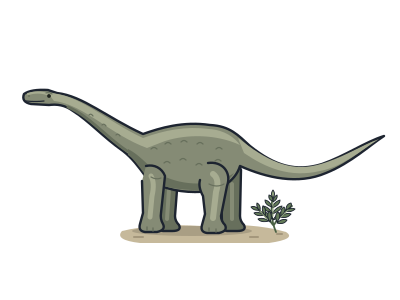
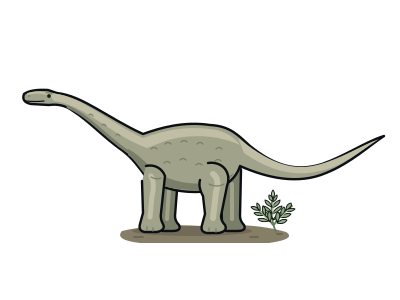
- MamenchisaurusIts neck may have been 15 metres long, about half its whole length.
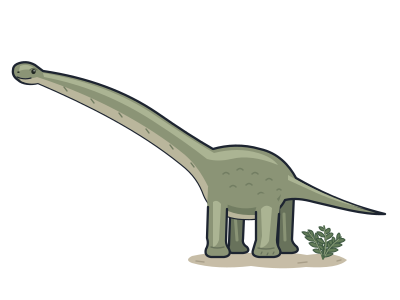
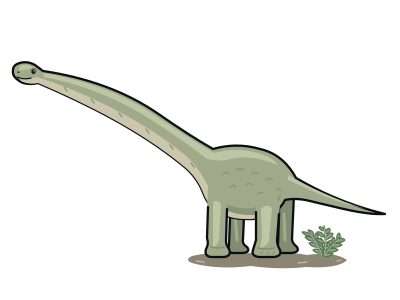
- CamarasaurusThe most common giant of the Jurassic American West, with a boxy head.
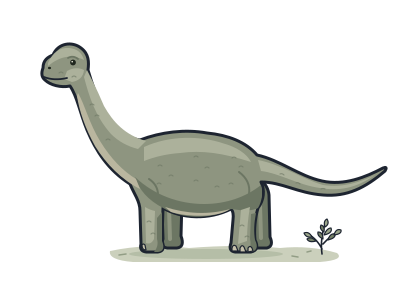
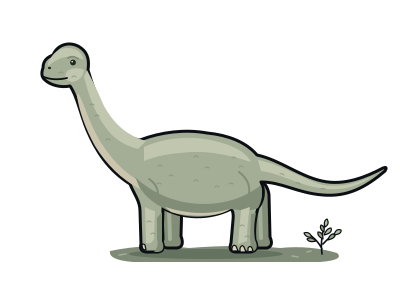
- PatagotitanA titanosaur so long its museum cast does not fit in the room.
- NigersaurusA long-necked grazer with a straight-edged mouth packed with hundreds of replaceable teeth.