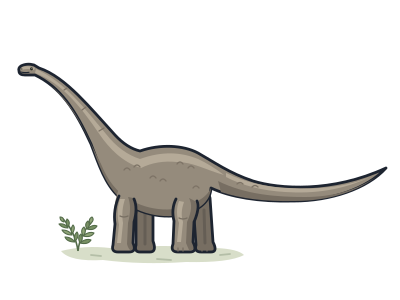
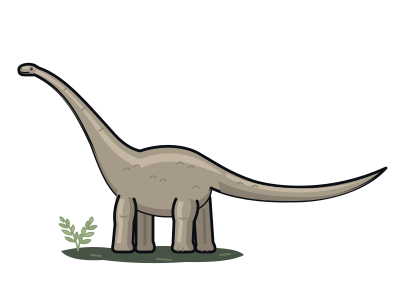
An extinct species
Patagotitan †
Patagotitan mayorum
A giant whose museum cast cannot fit its room
Lived about 102–100 million years ago.
You and the patagotitan meet in the Amniotes branch, shown at about 320 million years ago (on 4 December, in a calendar from life's shared ancestor to today).
The museum cast of this relative of Argentinosaurus is too long for its gallery. At the American Museum of Natural History in New York, the cast stretches about 37 metres, with its head and neck reaching towards the lifts. That is roughly the length of three large buses.
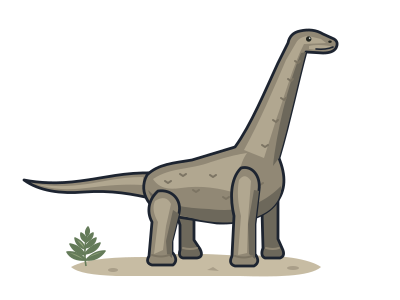
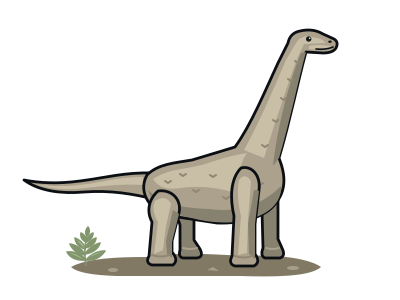
It belonged to the titanosaurs, one branch of the long-necked, plant-eating dinosaurs called sauropods. Argentinosaurus was another member of this branch. Family-tree studies placed the two in the same smaller group of giant titanosaurs: related animals, but separate species.
It lived about 102 to 100 million years ago in what is now Patagonia, Argentina. Scientists recovered fossils from at least six individuals at one quarry. The finds included parts of the neck, back and tail, along with limb bones and supports for the shoulders and hips. These were fossil pieces from several animals, not one complete skeleton.
A thigh bone longer than an adult
One fossil thigh bone measured about 2.4 metres—longer than most adults are tall.
A ranch discovery
The fossils were discovered on the Mayo family's ranch near La Flecha in Patagonia.
A head high overhead
Chicago's museum cast, called Máximo, has its head mounted about 8.5 metres above the floor.
Next to it on the tree
- BrachiosaurusFront legs longer than back legs lifted its head like a giraffe's, but about twice as high.
- ArgentinosaurusPossibly the heaviest land animal ever, as heavy as about ten elephants.
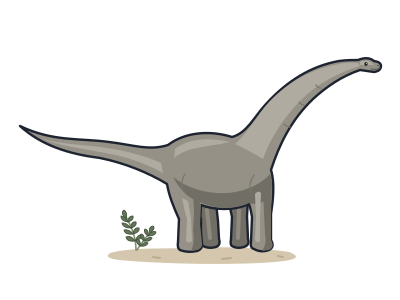
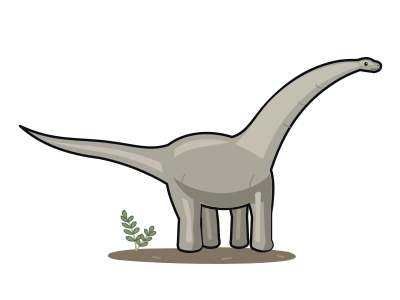
- DiplodocusA whip-tailed giant; casts of 'Dippy' stand in museums around the world.
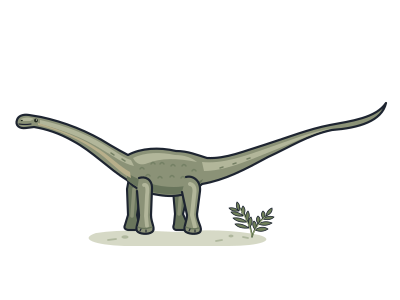
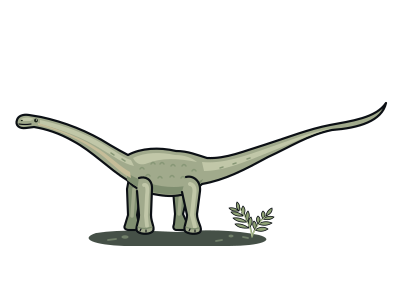
- ApatosaurusA thick-necked giant at the centre of the old Brontosaurus mix-up.
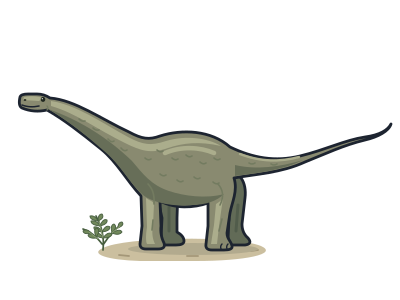
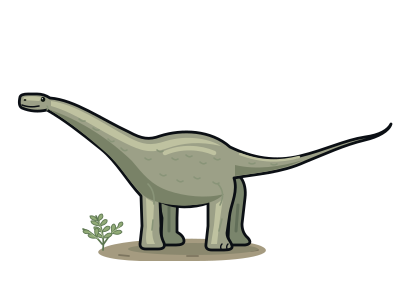
- BrontosaurusThe 'thunder lizard' was folded into Apatosaurus in 1903, then revived as its own genus in 2015.
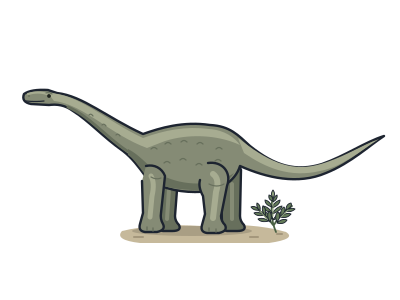
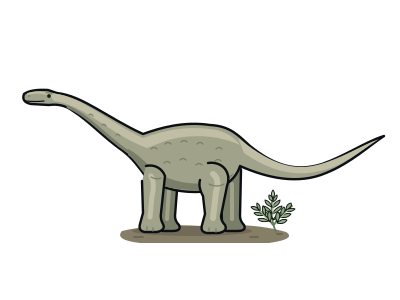
- MamenchisaurusIts neck may have been 15 metres long, about half its whole length.
- CamarasaurusThe most common giant of the Jurassic American West, with a boxy head.
- NigersaurusA long-necked grazer with a straight-edged mouth packed with hundreds of replaceable teeth.