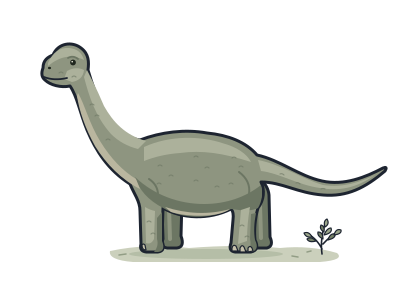
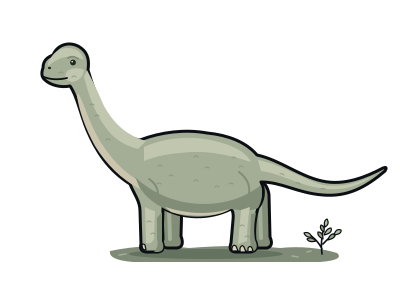
An extinct species
Camarasaurus †
Camarasaurus supremus
A boxy-headed member of the Jurassic West’s most common giant group.
Lived about 155–145 million years ago.
You and the camarasaurus meet in the Amniotes branch, shown at about 320 million years ago (on 4 December, in a calendar from life's shared ancestor to today).
The boxy-headed giants of its wider group were the most common long-necked dinosaurs in the Morrison fossil record of the American West. Several closely related species made up that record, though many finds could not be identified to species. Finds identified as this species were relatively rare. The wider group lived about 155 to 145 million years ago, with this species known from the later part of that span.
Like Diplodocus and Apatosaurus, it was a sauropod—a long-necked, plant-eating dinosaur. Among sauropods, it shared a broad branch with Brachiosaurus, separate from the branch containing Diplodocus. Its head was small beside its huge body, yet deep and boxy, with a short, rounded snout. Broad, spoon-shaped teeth suited its plant-eating diet.
A reconstruction placed it on open floodplains and in woodland beside rivers, with seasonal dry spells. This landscape was an interpretation of the evidence, rather than a complete scene preserved in a fossil.
Shorter at the front
Its front legs were slightly shorter than its hind legs.
Less stretched out
Its neck and tail were proportionally shorter than those of many other long-necked dinosaurs.
A museum head swap
A Camarasaurus skull cast sat on Carnegie Museum’s Apatosaurus skeleton from 1932 until 1979, before the correct kind of head replaced it.
Next to it on the tree
- BrachiosaurusFront legs longer than back legs lifted its head like a giraffe's, but about twice as high.
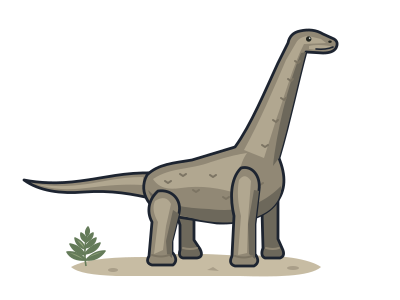
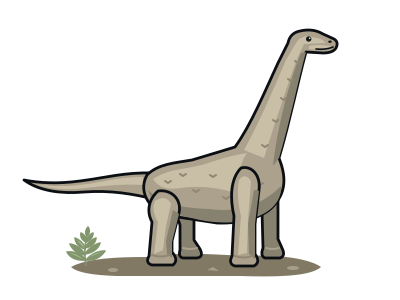
- ArgentinosaurusPossibly the heaviest land animal ever, as heavy as about ten elephants.
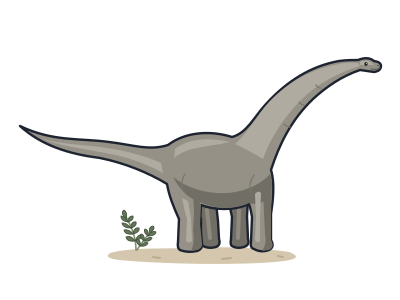
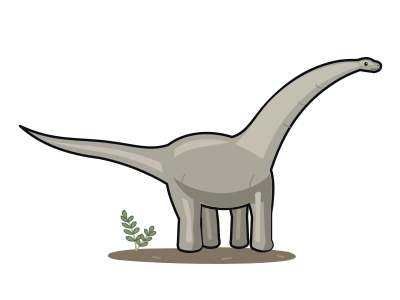
- DiplodocusA whip-tailed giant; casts of 'Dippy' stand in museums around the world.
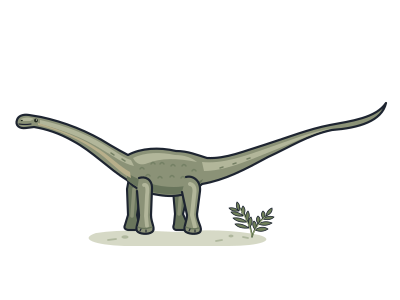
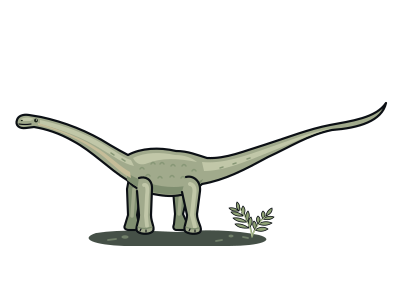
- ApatosaurusA thick-necked giant at the centre of the old Brontosaurus mix-up.
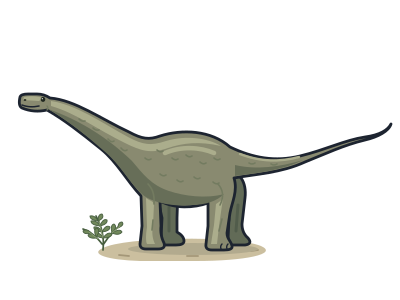
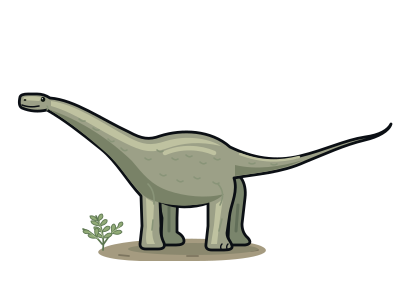
- BrontosaurusThe 'thunder lizard' was folded into Apatosaurus in 1903, then revived as its own genus in 2015.
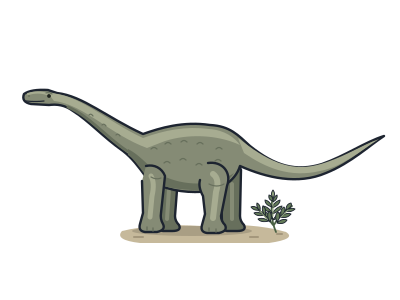
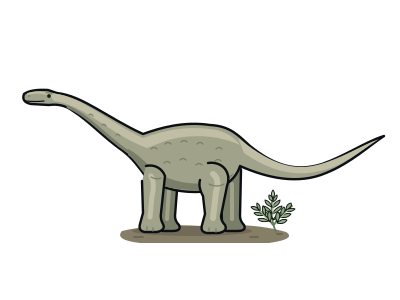
- MamenchisaurusIts neck may have been 15 metres long, about half its whole length.
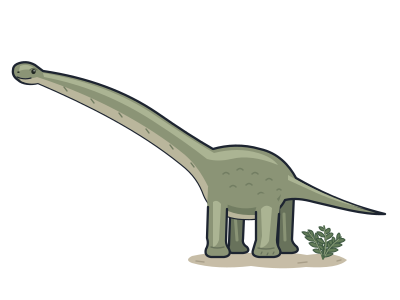
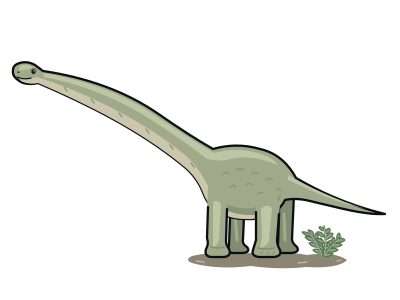
- PatagotitanA titanosaur so long its museum cast does not fit in the room.
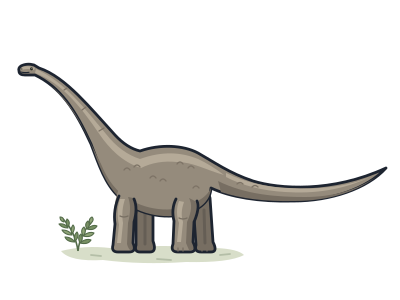
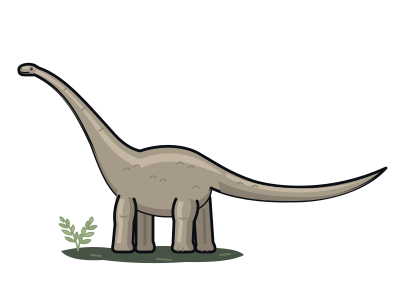
- NigersaurusA long-necked grazer with a straight-edged mouth packed with hundreds of replaceable teeth.