An extinct species
Diplodocus †
Diplodocus carnegii
A whip-tailed giant with museum doubles around the world.
Lived about 154–150 million years ago.
You and the diplodocus meet in the Amniotes branch, shown at about 320 million years ago (on 4 December, in a calendar from life's shared ancestor to today).
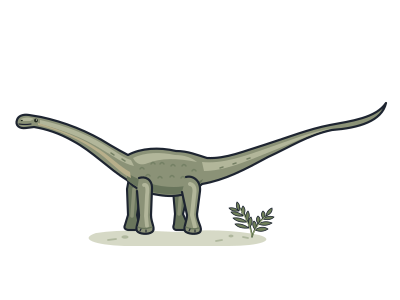
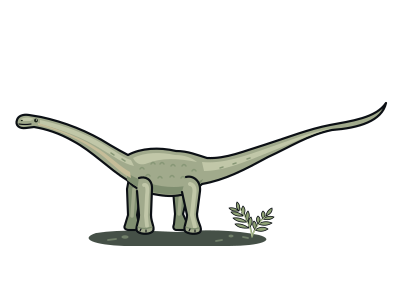
This giant’s exceptionally long tail narrowed towards its tip like a whip. Today, casts of the famous skeleton nicknamed Dippy stand in museums around the world. It belonged to the same dinosaur family as Apatosaurus and Brontosaurus: they were relatives, not different names for the same animal.
It lived about 154 to 150 million years ago and ate plants. Fossil bones revealed a long neck, small head and four supporting legs. Adults were estimated to reach about 24–26 metres long—nearly two double-decker buses end to end. Modern reconstructions showed its tail raised above the ground.
Britain’s famous Dippy was a plaster copy, not a fossil skeleton. The original fossil display is in Pittsburgh, but even that was not one complete animal. It combined bones from several individuals with artificial replacements. These displays helped people picture the giant while filling gaps in the fossil evidence.
A comb-like mouth
Its narrow teeth were arranged in rows like a comb.
A royal request
King Edward VII requested a copy after seeing a picture of the skeleton in Andrew Carnegie’s Scottish castle.
A name beneath the tail
Its name meant ‘double beam’, referring to forked bones underneath part of its tail.
Next to it on the tree
- BrachiosaurusFront legs longer than back legs lifted its head like a giraffe's, but about twice as high.
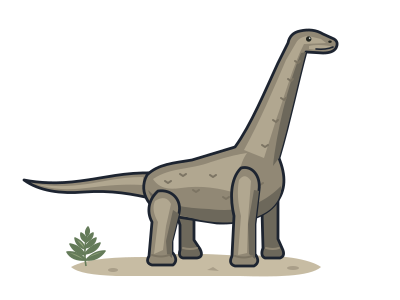
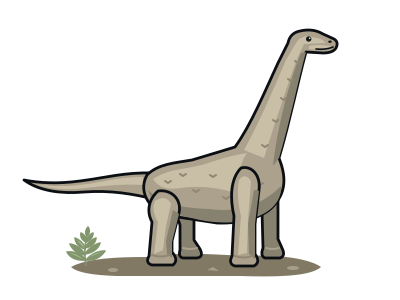
- ArgentinosaurusPossibly the heaviest land animal ever, as heavy as about ten elephants.
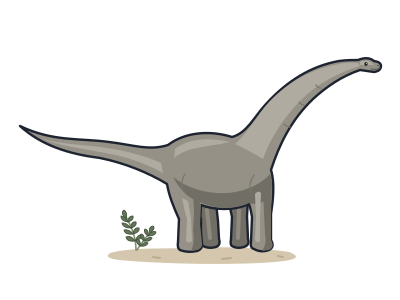
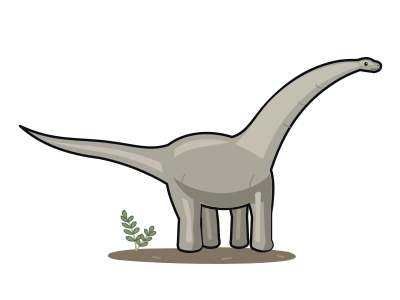
- ApatosaurusA thick-necked giant at the centre of the old Brontosaurus mix-up.
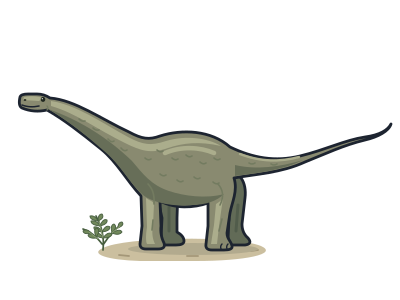
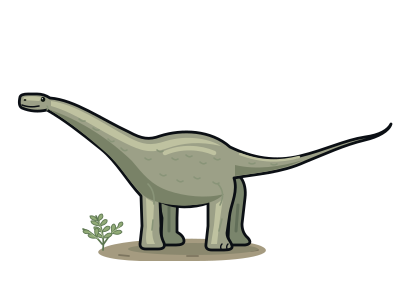
- BrontosaurusThe 'thunder lizard' was folded into Apatosaurus in 1903, then revived as its own genus in 2015.
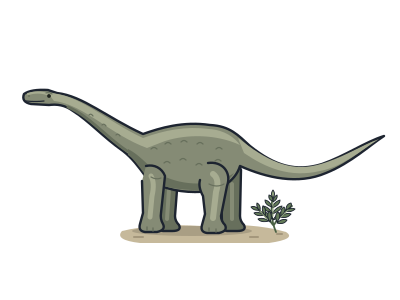
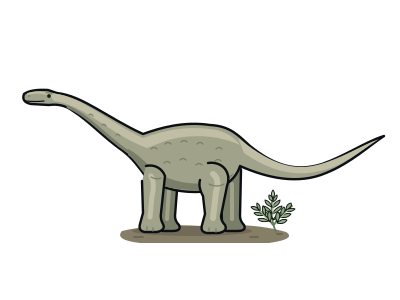
- MamenchisaurusIts neck may have been 15 metres long, about half its whole length.
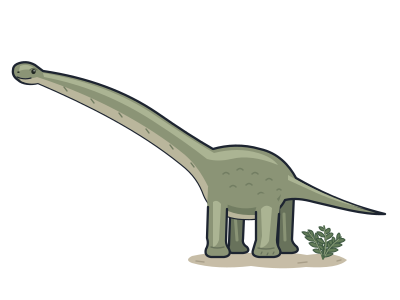
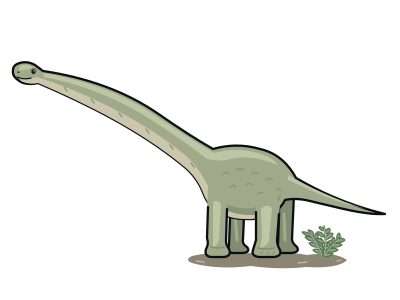
- CamarasaurusThe most common giant of the Jurassic American West, with a boxy head.
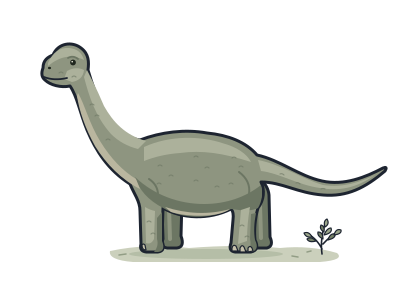
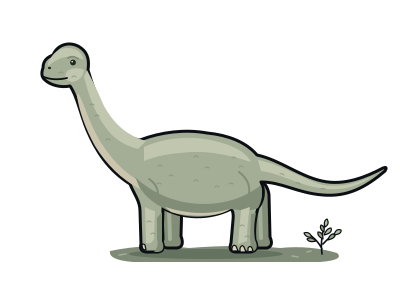
- PatagotitanA titanosaur so long its museum cast does not fit in the room.
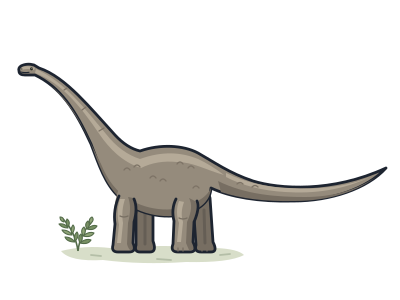
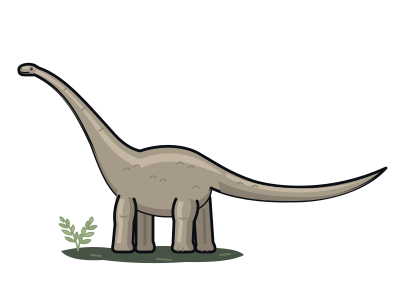
- NigersaurusA long-necked grazer with a straight-edged mouth packed with hundreds of replaceable teeth.