An extinct species
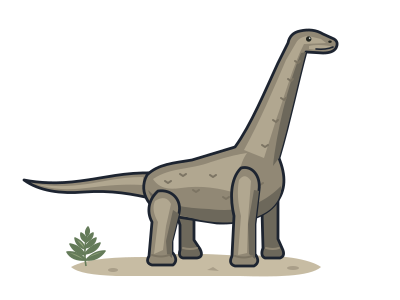
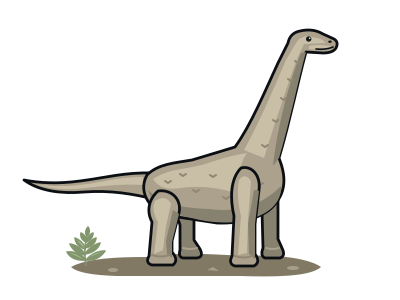
Brachiosaurus †
Brachiosaurus altithorax
Giraffe-like height, dinosaur relatives
Lived about 154–150 million years ago.
You and the brachiosaurus meet in the Amniotes branch, shown at about 320 million years ago (on 4 December, in a calendar from life's shared ancestor to today).
Its front legs were longer than its back legs, raising its shoulders into a giraffe-like slope. Its long neck gave it an estimated feeding reach of about 10 metres: roughly twice a giraffe’s height. Yet it was far more closely related to long-necked dinosaurs such as Diplodocus and Brontosaurus than to giraffes. Brontosaurus shared its time and surroundings, but had a lower body profile.
It lived in North America about 154 to 150 million years ago. It was a plant eater. Its high shoulders and long neck suggested that it could reach food in tall trees, well above the ground. This feeding picture came from interpreting its bones, rather than from preserved feeding movements.
Fossil bones showed its unusual limb proportions, but they did not preserve a whole animal. No complete skeleton had been found. Reconstructions filled gaps using other specimens and relatives, so a complete-looking museum skeleton did not mean every part had been dug up together.
An arm-inspired name
Its name meant ‘arm lizard’, referring to its unusually long front limbs.
Ribs taller than a person
The original discovery included ribs about 2.7 metres long—longer than a tall adult.
Not the biggest
Although once considered the largest known dinosaur, it was smaller than Argentinosaurus.
Next to it on the tree
- ArgentinosaurusPossibly the heaviest land animal ever, as heavy as about ten elephants.
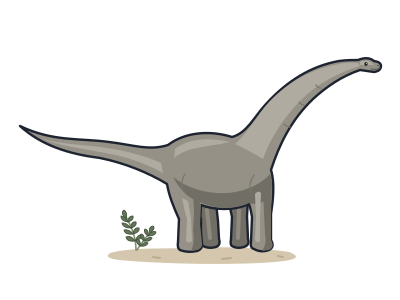
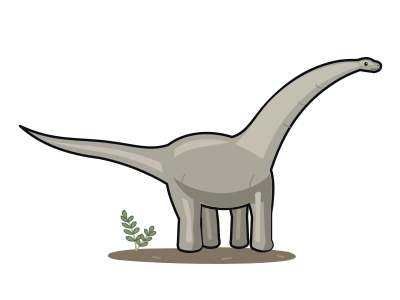
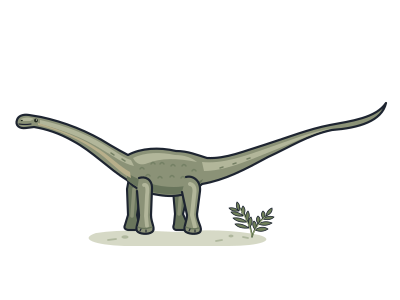
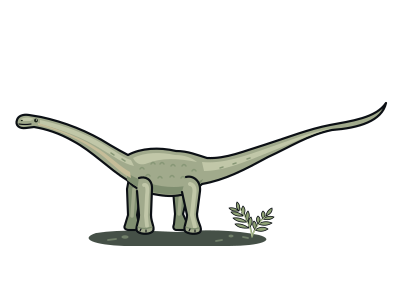
- DiplodocusA whip-tailed giant; casts of 'Dippy' stand in museums around the world.
- ApatosaurusA thick-necked giant at the centre of the old Brontosaurus mix-up.
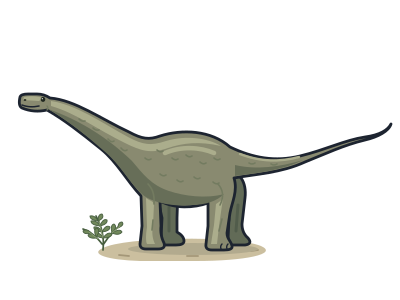
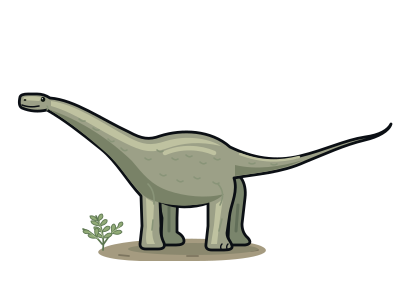
- BrontosaurusThe 'thunder lizard' was folded into Apatosaurus in 1903, then revived as its own genus in 2015.
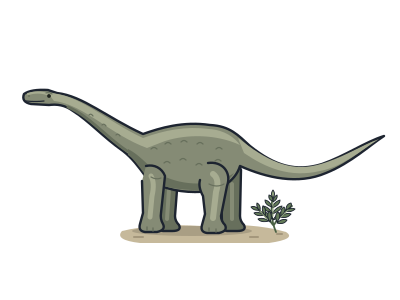
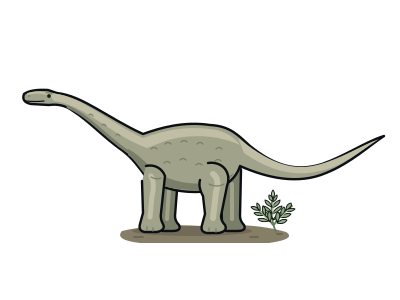
- MamenchisaurusIts neck may have been 15 metres long, about half its whole length.
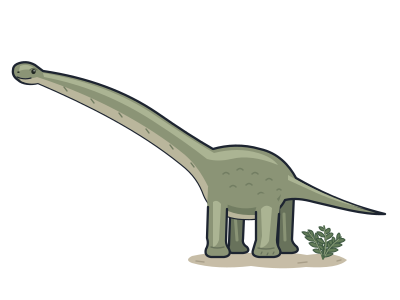
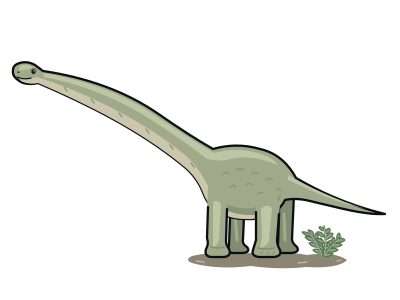
- CamarasaurusThe most common giant of the Jurassic American West, with a boxy head.
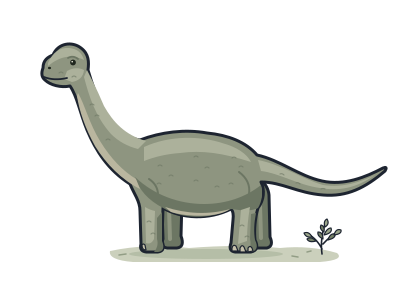
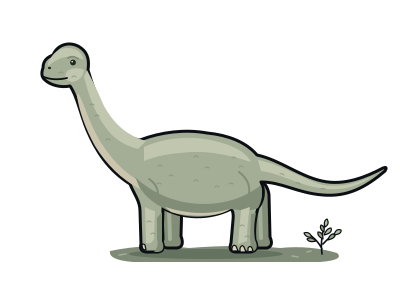
- PatagotitanA titanosaur so long its museum cast does not fit in the room.
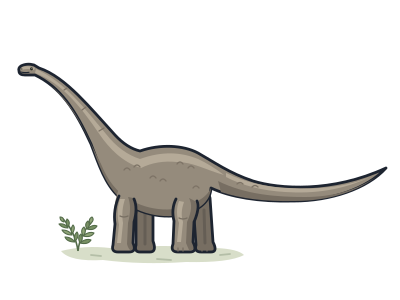
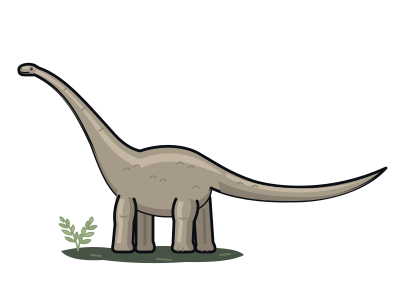
- NigersaurusA long-necked grazer with a straight-edged mouth packed with hundreds of replaceable teeth.