An extinct species
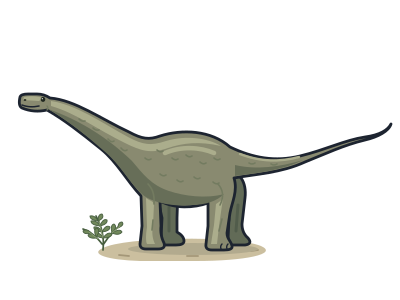
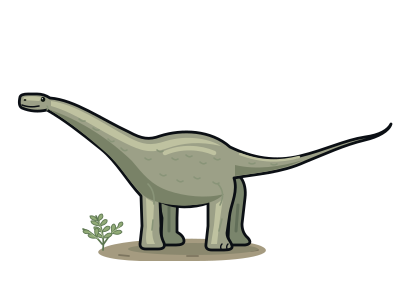
Apatosaurus †
Apatosaurus ajax
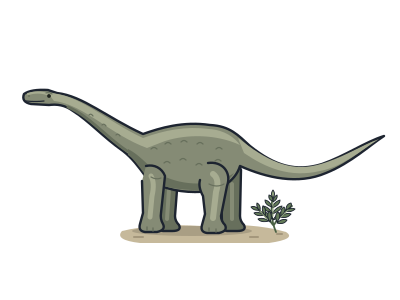
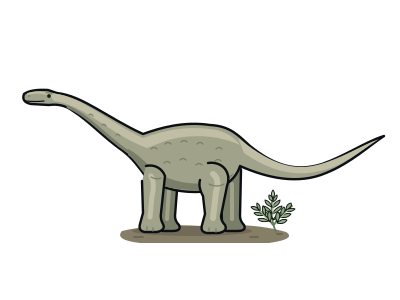
A thick-necked giant behind a famous dinosaur mix-up.
Lived about 152–151 million years ago.
You and the apatosaurus meet in the Amniotes branch, shown at about 320 million years ago (on 4 December, in a calendar from life's shared ancestor to today).
This thick-necked giant was at the centre of the old Brontosaurus mix-up. Brontosaurus was a close relative, not an invented dinosaur. Both belonged to the same family as the more slender Diplodocus. Fossil bones showed a heavily built animal with an unusually thick neck.
It lived in western North America about 152 to 151 million years ago. Its surroundings included rivers, floodplains and woodland, with distinct wet and dry seasons. The original fossils that defined this species came from near Morrison, Colorado.
The naming tangle began with two fossil discoveries. A scientist called Othniel Charles Marsh gave the animals different names. In 1903, another researcher argued that their differences were too small to justify that separation. When the names were combined, the earlier name took priority, leaving Brontosaurus out. The dispute concerned how to group real fossil animals—not whether Brontosaurus fossils existed.
A misleading resemblance
Its name meant ‘deceptive lizard’: the scientist who named it thought some bones resembled those of a sea reptile.
Plants on the menu
It ate plants, like other long-necked sauropod dinosaurs.
A detailed comparison
The 2015 study behind the revival of Brontosaurus compared fossils using 477 features of their skeletons.
Next to it on the tree
- BrachiosaurusFront legs longer than back legs lifted its head like a giraffe's, but about twice as high.
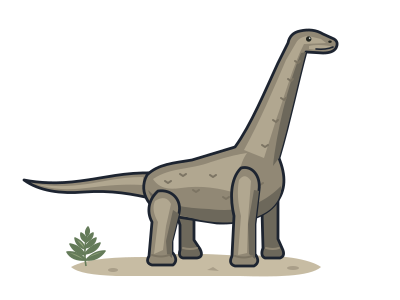
- ArgentinosaurusPossibly the heaviest land animal ever, as heavy as about ten elephants.
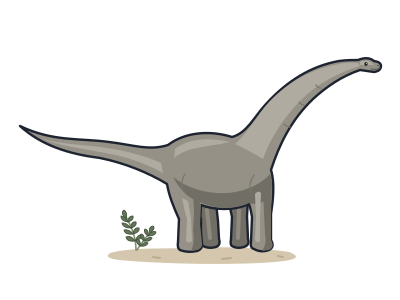
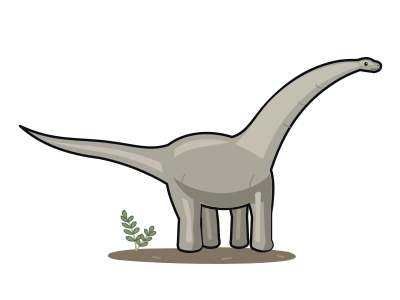
- DiplodocusA whip-tailed giant; casts of 'Dippy' stand in museums around the world.
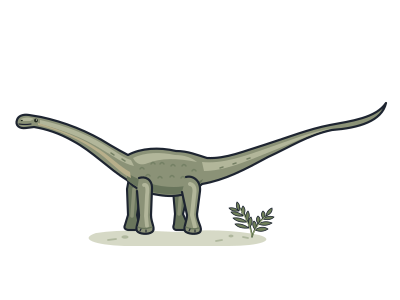
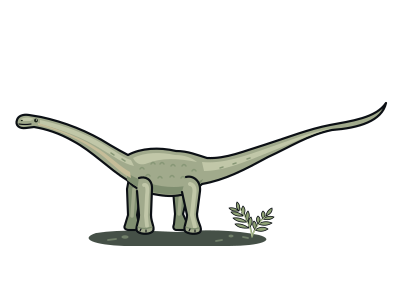
- BrontosaurusThe 'thunder lizard' was folded into Apatosaurus in 1903, then revived as its own genus in 2015.
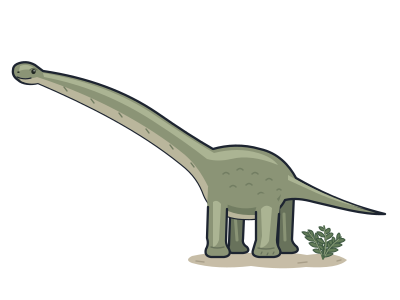
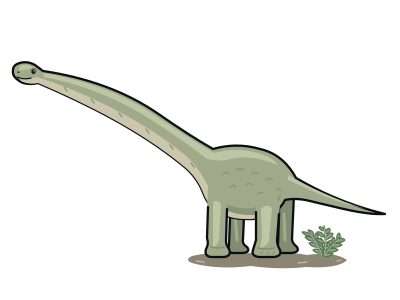
- MamenchisaurusIts neck may have been 15 metres long, about half its whole length.
- CamarasaurusThe most common giant of the Jurassic American West, with a boxy head.
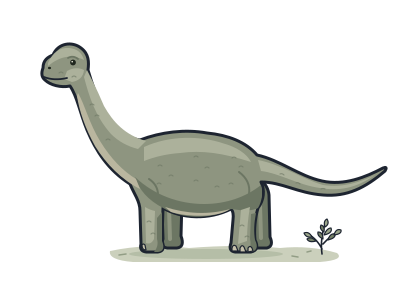
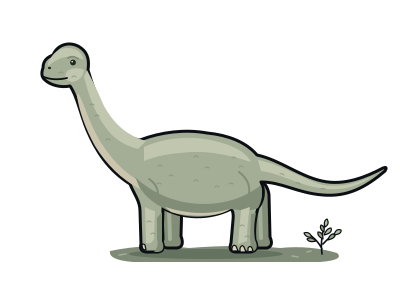
- PatagotitanA titanosaur so long its museum cast does not fit in the room.
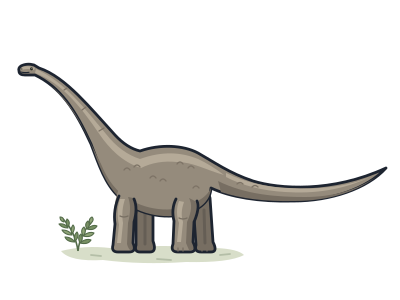
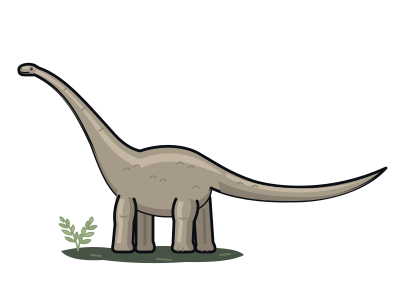
- NigersaurusA long-necked grazer with a straight-edged mouth packed with hundreds of replaceable teeth.