A species
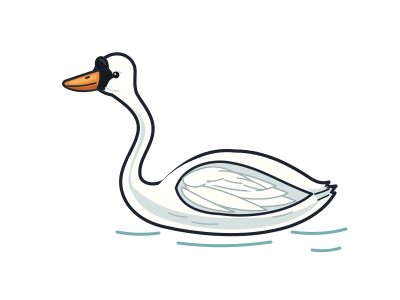
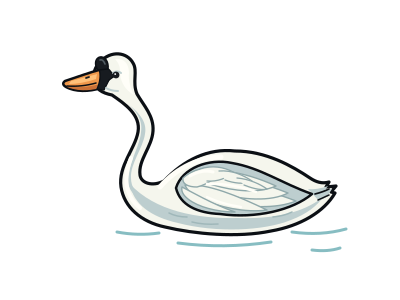
Mute swan
Cygnus olor
A heavyweight flier with a graceful curve.
You and the mute swan meet in the Amniotes branch, shown at about 320 million years ago (on 4 December, in a calendar from life's shared ancestor to today).
The mute swan is one of the world's heaviest flying birds, yet its long, slender neck makes a graceful S-shaped curve as it swims. This heavyweight belongs to the same bird family as mallards and Canada geese: the ducks, geese and swans.
Adults have white feathers and an orange bill with a black base and a raised black knob. They mainly eat water plants, though they also take small animals such as snails, insects and tadpoles. To reach plants below the surface, they can tip forwards until only their tail and feet remain above water.
The curved neck does not stay curled in flight. Instead, the bird stretches it forwards and flies with slow wingbeats. Listen as one passes: its wings make a noticeable whooshing sound.
Not really mute
Despite its name, this swan makes soft grunts and can hiss loudly.
Young passengers
Small chicks sometimes ride on a parent's back for warmth, protection and a rest from paddling.
A sizeable nest
Both partners help build a nest from plant material. Its base can reach about 1.5 metres across.
Next to it on the tree
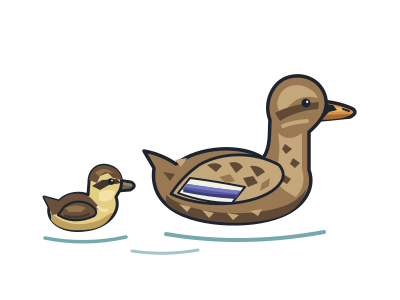
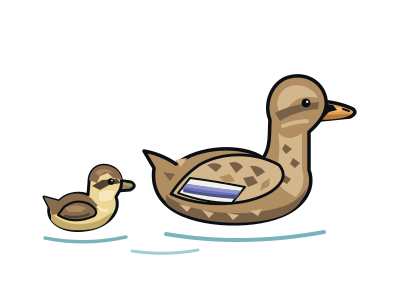
- MallardAncestor of most farm ducks; its ducklings bond to the first moving thing they see.
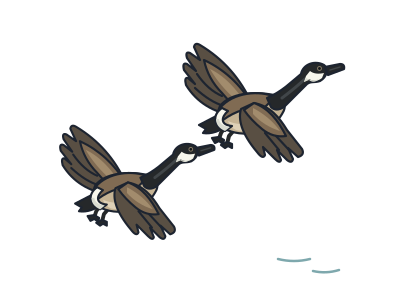
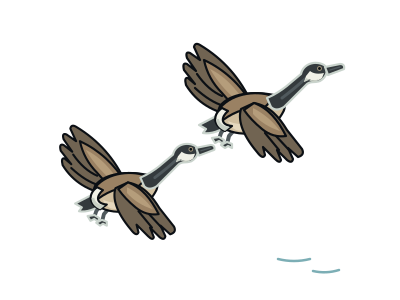
- Canada gooseFlies in V formations, taking turns at the tiring front.
- Southern screamerA goose-sized South American bird with a hooked beak and barely webbed feet: the oldest branch of waterfowl.
- Wood duckNests in tree holes; a day after hatching, its ducklings leap out, sometimes from 15 metres up.
- Common eiderLines its nest with its own soft down, the warmest natural insulation people collect.
- Black swanAustralia's swan is black with a red beak, once Europe's byword for something impossible.