A species
Mallard
Anas platyrhynchos
The wild ancestor behind most farm ducks
You and the mallard meet in the Amniotes branch, shown at about 320 million years ago (on 4 December, in a calendar from life's shared ancestor to today).
A farm duck’s family story usually leads back to the mallard. These wild birds are the ancestors of most farm-duck breeds, though Muscovy ducks are an important exception. Geese and swans belong to the same bird family as mallards: they are relatives, not their descendants.
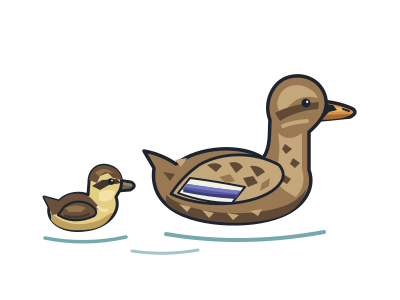
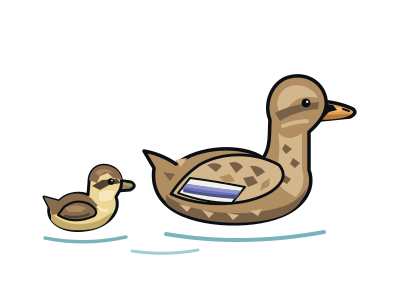
For a duckling, learning whom to follow starts early. Through a powerful kind of learning called imprinting, ducklings normally recognise and follow their mother. During an early sensitive period, they can instead learn to follow another moving object. It is not an automatic bond with absolutely anything they happen to see first.
Mallards eat both plants and small animals, including seeds, water plants, insects and snails. A female usually hides her nest beneath plants on the ground and lines it with soft feathers from her breast. Her ducklings hatch covered in fluff and can leave the nest in less than a day.
A temporary grounding
Adults replace all their flight feathers together, leaving them unable to fly for about three to four weeks.
Who makes the quack?
The familiar loud quack comes from the female. Males usually make much quieter, raspy calls.
A curl above the tail
Male mallards have curled black feathers above the tail. After breeding, males change into browner feathers and look more like females for a time.
Next to it on the tree
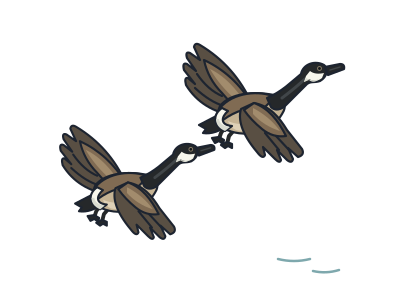
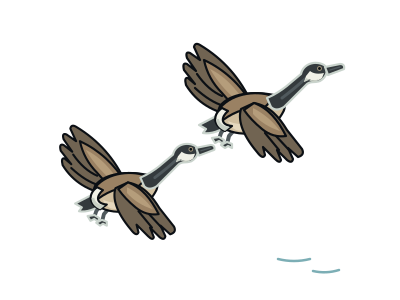
- Canada gooseFlies in V formations, taking turns at the tiring front.
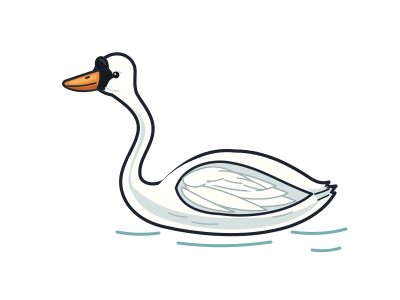
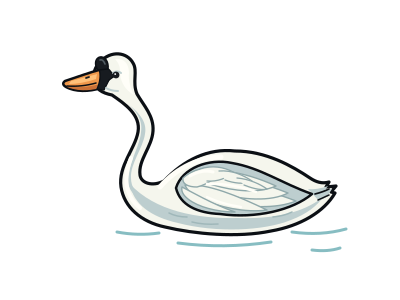
- Mute swanOne of the heaviest flying birds, with a famously graceful curved neck.
- Southern screamerA goose-sized South American bird with a hooked beak and barely webbed feet: the oldest branch of waterfowl.
- Wood duckNests in tree holes; a day after hatching, its ducklings leap out, sometimes from 15 metres up.
- Common eiderLines its nest with its own soft down, the warmest natural insulation people collect.
- Black swanAustralia's swan is black with a red beak, once Europe's byword for something impossible.