A species
Canada goose
Branta canadensis
A V-shaped flock with more than one leader
You and the canada goose meet in the Amniotes branch, shown at about 320 million years ago (on 4 December, in a calendar from life's shared ancestor to today).
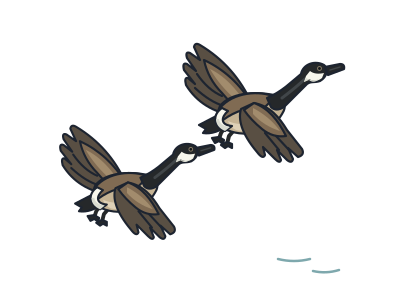
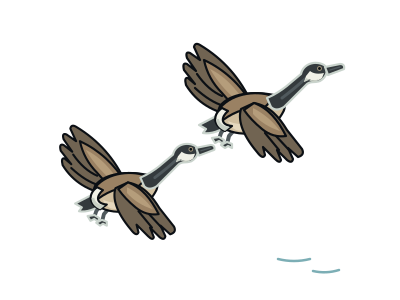
Canada geese fly in V formations, with experienced birds taking turns at the front. Flying this way can save energy and help the birds keep one another in view. Think of it as travelling together, rather than following one permanent captain. That does not mean every bird takes an equal turn.
This familiar lawn visitor belongs to the same duck, goose and swan family as mallards and mute swans. Look for a black head and long black neck, with white cheek patches meeting beneath the chin. A brown back and tan breast complete the pattern. Adults are about a metre long, though size varies greatly between populations.
Short park lawns offer both food and a clear view of approaching predators. But not every flock is preparing for a long journey. Northern breeding populations generally travel farther, while many birds farther south move little or stay in the same area all year.
Long partnerships
Pairs often stay together for life and remain together throughout the year, though some do separate.
An early start
Young geese leave the nest at about one or two days old, already able to walk, swim and feed themselves.
Familiar stops
Individuals commonly return to the same stopping places along their migration route and the same wintering areas.
Next to it on the tree
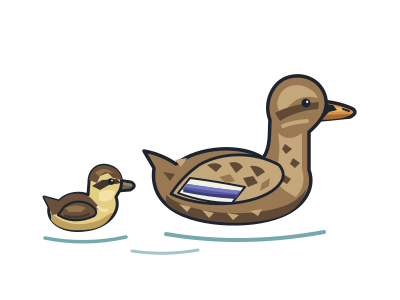
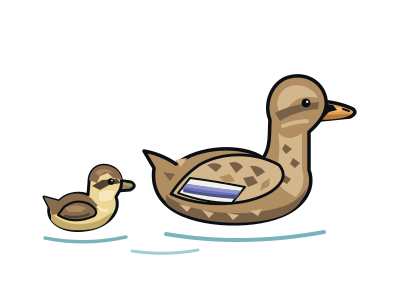
- MallardAncestor of most farm ducks; its ducklings bond to the first moving thing they see.
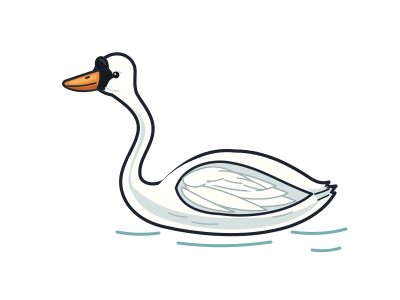
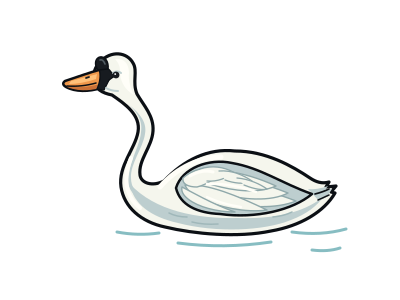
- Mute swanOne of the heaviest flying birds, with a famously graceful curved neck.
- Southern screamerA goose-sized South American bird with a hooked beak and barely webbed feet: the oldest branch of waterfowl.
- Wood duckNests in tree holes; a day after hatching, its ducklings leap out, sometimes from 15 metres up.
- Common eiderLines its nest with its own soft down, the warmest natural insulation people collect.
- Black swanAustralia's swan is black with a red beak, once Europe's byword for something impossible.