A group of living things
Giardia and gut-dwelling flagellates
Metamonada
Gut-dwelling microbes that shrank their cell's power stations almost to nothing
This branch is shown at about 1.1 billion years ago; its age is a rough estimate.
You and giardia and gut-dwelling flagellates meet in the Eukaryotes branch, shown at about 1.8 billion years ago (on 28 July, in a calendar from life's shared ancestor to today).
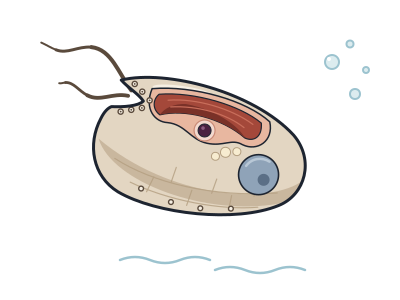
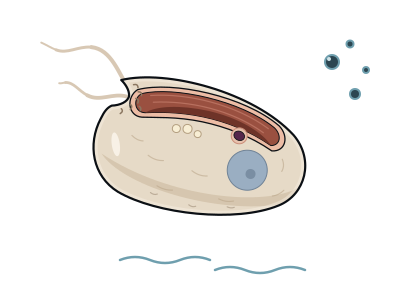
Most complex cells, including the cells in your body, are powered by tiny parts called mitochondria, which use oxygen. These microbes took another path. They live in places with little oxygen, mostly inside animal guts, and their mitochondria have shrunk to small leftovers. One of them, found in a pet chinchilla's gut, has lost its mitochondria completely. Their ancestors had full mitochondria, so these are not 'primitive' cells. They are complex cells like ours that gave something up.
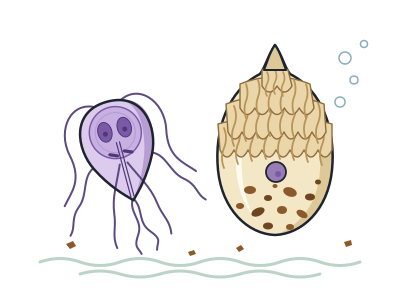
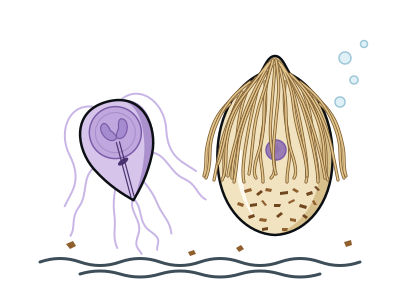
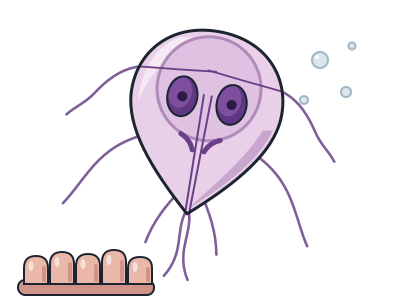
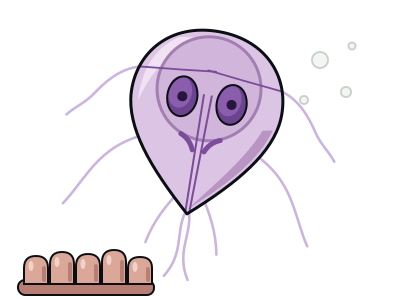
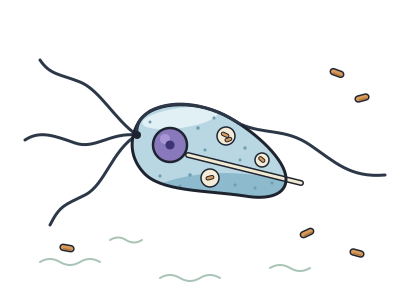
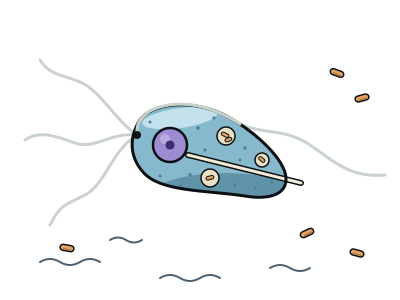
Giardia lives in the small intestine of people and many other animals. It is shaped like a pear and has two nuclei side by side. When it is stained under a microscope, the nuclei look like the eyes of a smiling face, but Giardia cannot see. It grips the gut wall with a sucker-like disc on its underside and can make people sick.
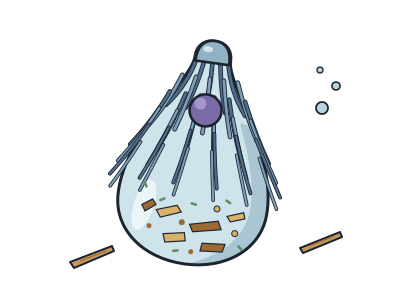
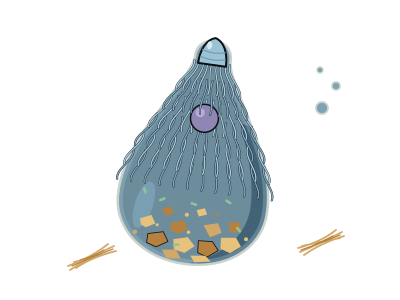
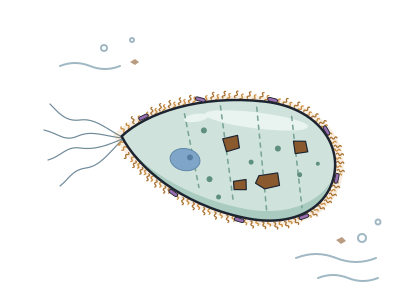
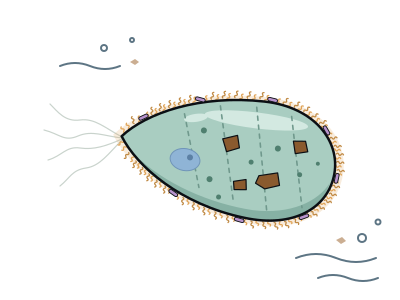
Trichonympha is a helper, not a pest. It lives only in the guts of some termites and wood-eating cockroaches. Most of its body is covered in thousands of wavy flagella, like a shaggy coat. It breaks down wood into food the termite can use. Without gut microbes like it, these termites could not live on wood.
Spotted in 1681
In 1681 the microscope pioneer Antonie van Leeuwenhoek looked at his own poo and described what was probably Giardia. It was not formally named until 1859.
Beaver fever
Giardia's nickname, 'beaver fever', comes from people who caught it by drinking stream water used by beavers. Its tough cysts can survive for weeks to months in cold water, so even clear streams can carry it.
Dancing nymphs
Joseph Leidy named Trichonympha in 1877 because it reminded him of dancing nymphs. Termites pass it to each other by feeding on gut fluid from the rear end of their nestmates.
Inside giardia and gut-dwelling flagellates
- GiardiaA pear-shaped gut parasite whose two nuclei look like eyes staring up from a microscope.
- Termite gut partnerLives inside termites and helps them digest wood; without it, termites starve on a full stomach.
- MonocercomonoidesThe first complex cell found with no mitochondria at all, living in a chinchilla gut.
- MixotrichaA termite gut cell that gets about by riding on thousands of wriggling bacteria.
Next to it on the tree
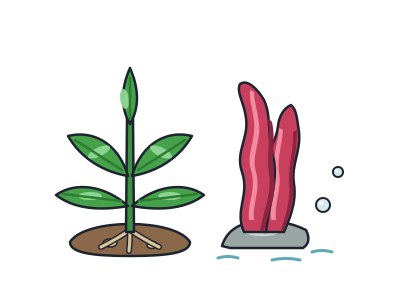
- Plants and red algaeOne ancestor swallowed a cyanobacterium and kept it as a solar panel; its descendants are green plants and red algae.
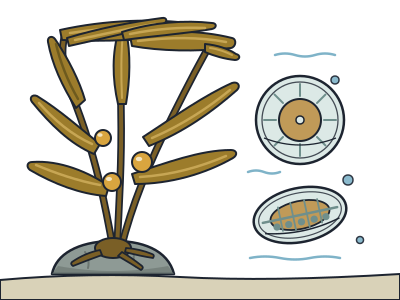
- Kelp, diatoms and kinA huge, little-known branch: giant seaweeds and glass-shelled plankton that make much of our oxygen.
- Amoebas, fungi and animalsSurprise: you are closer to a slime mould and a mushroom than to any plant.
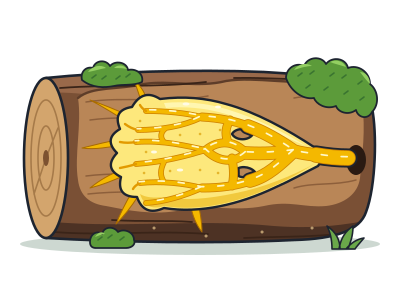
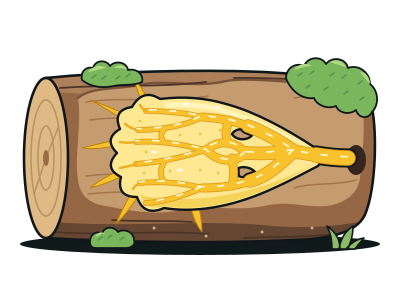
- PrototaxitesTrunks up to 8 metres tall towered over the first land plants, and no one is sure what they were.
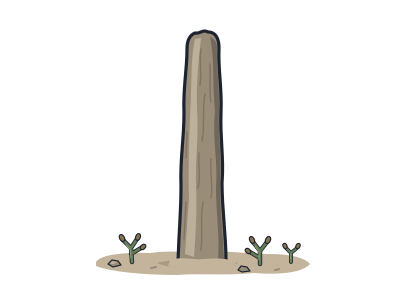
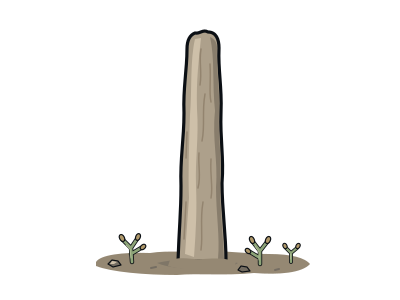
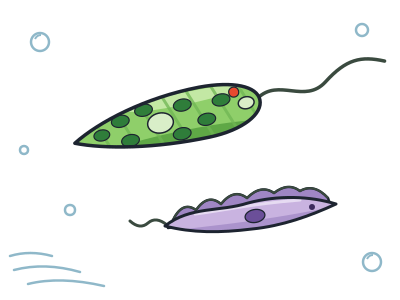
- Euglenids, trypanosomes and kinWhip-tailed cells ranging from pond-green swimmers to the parasite behind sleeping sickness.
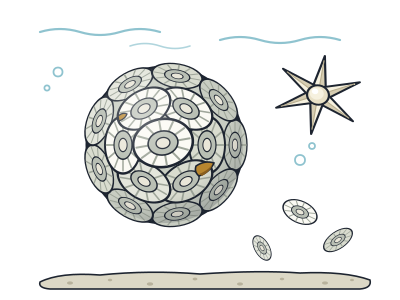
- Coccolithophores and kinTiny ocean algae armoured in chalk plates; their remains built the White Cliffs of Dover.
- CryptophytesAlgae that swallowed a red alga and still carry the tiny leftover of its nucleus inside.