A group of living things
Euglenids, trypanosomes and kin
Discoba
Whip-tailed cells, from green pond swimmers to the parasite behind sleeping sickness
This branch is shown at about 1.2 billion years ago; its age is a rough estimate.
You and euglenids, trypanosomes and kin meet in the Eukaryotes branch, shown at about 1.8 billion years ago (on 28 July, in a calendar from life's shared ancestor to today).
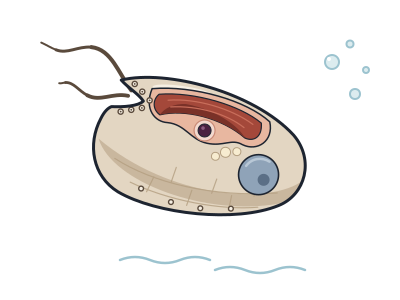
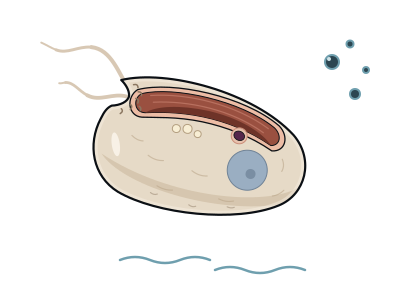
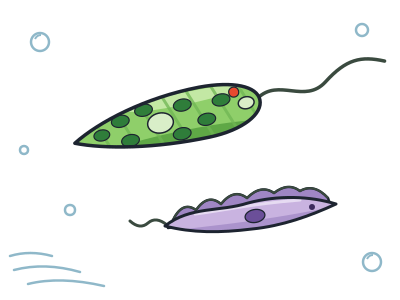
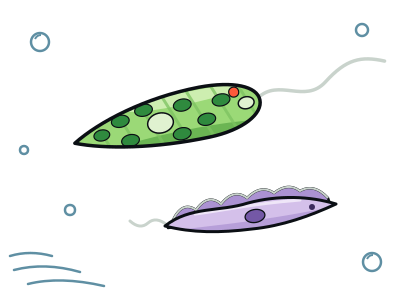
Picture a bright green cell squirming through a pond. Now picture a pale, ripple-edged parasite swimming in someone's blood. They look like strangers, but they belong to the same big group of relatives. This group of single cells includes pond swimmers, dangerous parasites and quiet dwellers in soil and water. Most of them get around using whip-like tails called flagella.
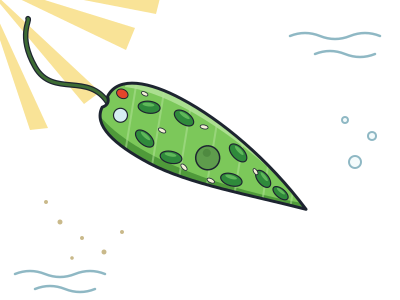
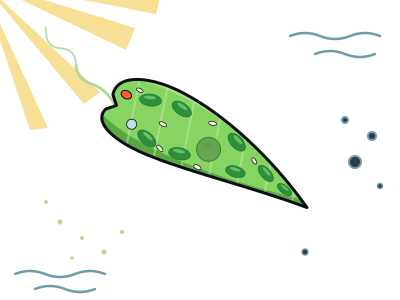
Euglena is the green one. Like a plant, it can make food from sunlight, but it can also soak up ready-made food. Its green parts came from a green alga that an ancestor swallowed and kept. It has no stiff wall, so it can bend and squirm. A red eyespot helps it sense light and swim towards it.
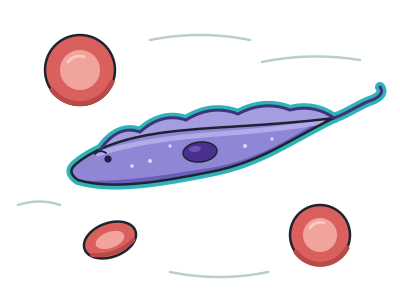
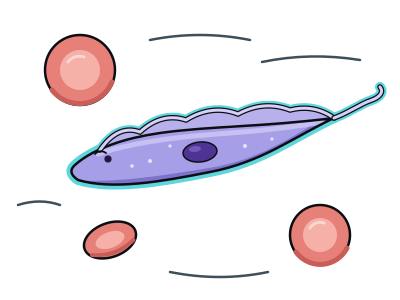
The trypanosome that causes sleeping sickness is spread by tsetse fly bites in Africa south of the Sahara. Without treatment, the disease is usually deadly. The good news is that reported cases fell from nearly 40,000 in 1998 to fewer than 1,000 by 2018.
The group also includes Naegleria, a kind of amoeba. One of its species is the so-called 'brain-eating amoeba'. It infects people only when warm water goes up the nose, and that is extremely rare. Almost all members of the group are far too small to see without a microscope.
A tangle of DNA rings
Trypanosomes carry a kinetoplast. It is the DNA of the cell's energy-making part, and it is packed into a clump of thousands of linked rings. Very few living things have anything like it.
A trouble for farm animals too
Forms of the sleeping sickness parasite that do not infect people, along with some of its relatives, cause a disease called nagana in cattle and horses. Nagana is one of the biggest problems for farming in Africa.
Master of disguise
The trypanosome hides from the body's defences by swapping its outer coat of protein. Some studies found this happens in about 1 in every 1,000 cell divisions.
Inside euglenids, trypanosomes and kin
- EuglenaHalf plant, half animal: it photosynthesises in sunlight and swallows food in the dark.
- Sleeping sickness parasiteSpread by tsetse flies, it keeps changing its coat so your immune system cannot catch up.
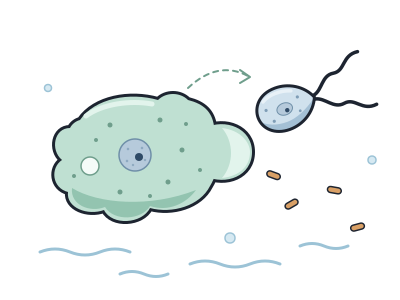
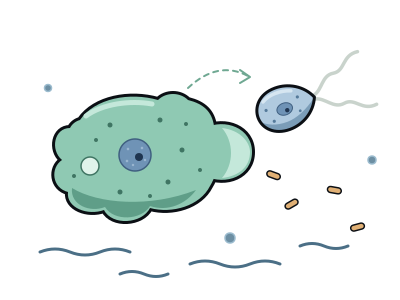
- Brain-eating amoebaA warm-water amoeba that can switch to swimming with tails; infections are very rare but serious.
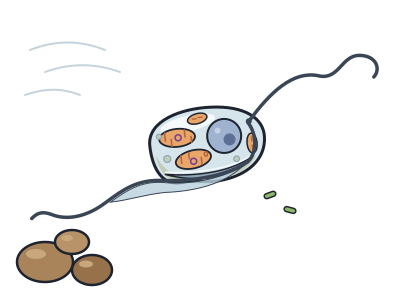
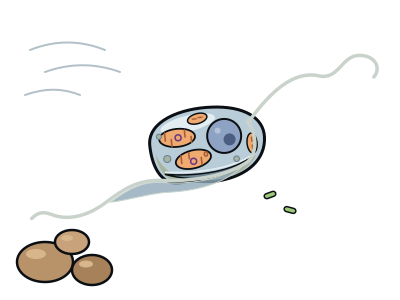
- AndaluciaIts mitochondria keep more of their bacterial genes than any other known cell.
Next to it on the tree
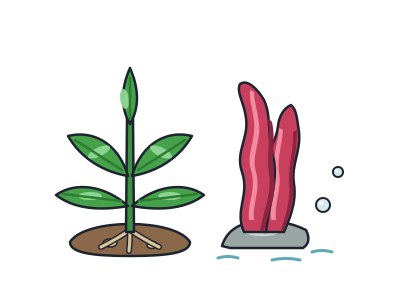
- Plants and red algaeOne ancestor swallowed a cyanobacterium and kept it as a solar panel; its descendants are green plants and red algae.
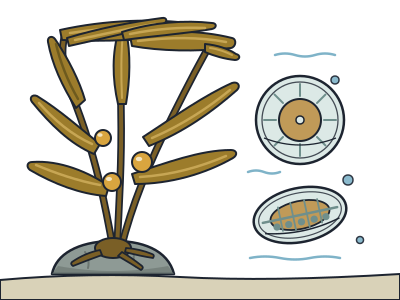
- Kelp, diatoms and kinA huge, little-known branch: giant seaweeds and glass-shelled plankton that make much of our oxygen.
- Amoebas, fungi and animalsSurprise: you are closer to a slime mould and a mushroom than to any plant.
- PrototaxitesTrunks up to 8 metres tall towered over the first land plants, and no one is sure what they were.
- Giardia and gut-dwelling flagellatesOxygen-shy microbes that live in guts and have shrunk their mitochondria almost to nothing.
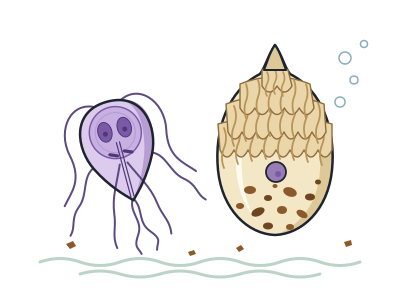
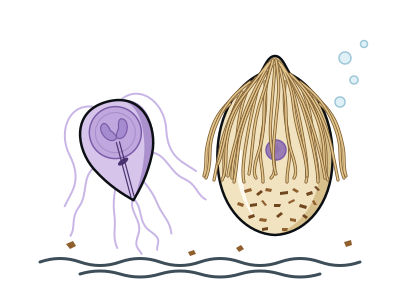
- Coccolithophores and kinTiny ocean algae armoured in chalk plates; their remains built the White Cliffs of Dover.
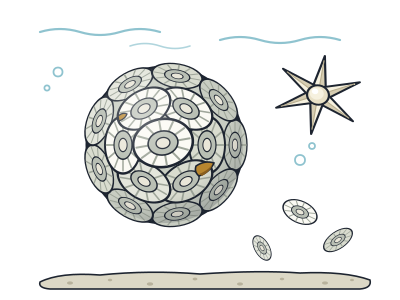
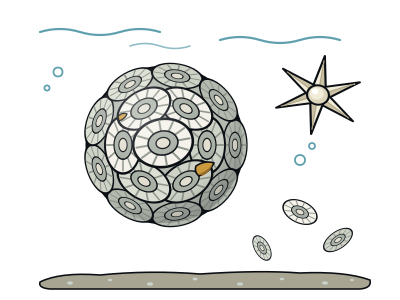
- CryptophytesAlgae that swallowed a red alga and still carry the tiny leftover of its nucleus inside.