A species
Humboldt squid
Dosidicus gigas
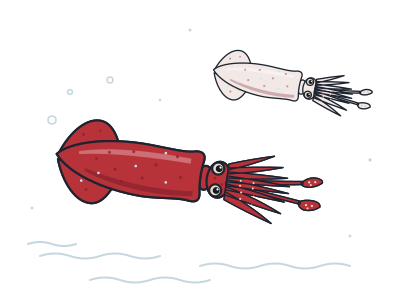
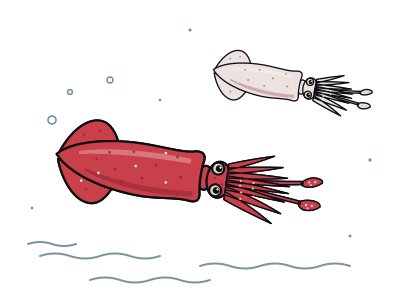
A schooling squid that flashes red and white to its companions in the dark sea.
You and the humboldt squid meet in the Two-sided animals branch, shown at about 580 million years ago (on 11 November, in a calendar from life's shared ancestor to today).
Picture a crowd of squid racing through the dark ocean. Their bodies blink red, then white, then red again, about two to four times a second. Humboldt squid hunt in schools, which is more often seen in fish than in animals without backbones. They flash mostly when other squid are nearby, so it seems to be a way of signalling. Nobody yet knows what the messages mean.
The colours come from colour-changing skin cells that sit on top of hundreds of tiny light organs. These glow from inside, like the backlight of an e-reader screen, which may make the patterns easier to see in the dark. When they feed in packed groups, the squid seem to avoid crashing into each other. They may be reading each other's signals to tell who is about to strike.
This squid is a mollusc and a relative of cuttlefish and the giant squid. Big adults can be about as long as a tall adult, arms included. That makes it the largest of the flying squid family, but it is still far smaller than the giant squid.
By day it stays deep, around 300 metres down, where the water holds very little oxygen. At night it rises near the surface to feed, mostly on small lanternfish.
The 'red devil'
Fishers in Baja California, Mexico, call it 'diablo rojo', which means 'red devil', because it flashes red and white when caught.
Short, busy life
Most live only about one year. They breed once and then die, and a single egg mass can hold a million or more eggs.
Newcomer to Monterey Bay
Underwater robots saw no Humboldt squid in Monterey Bay, California, from 1989 to 1997. The squid turned up after the 1997–98 El Niño and have lived there since about 2002.
Next to it on the tree
- European squidA jet-propelled hunter whose giant nerve fibres taught us how nerves work.
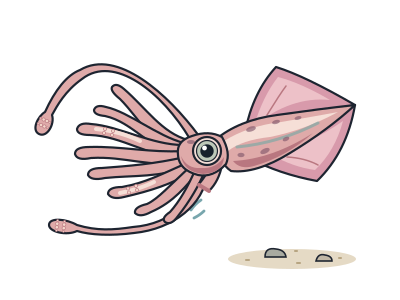
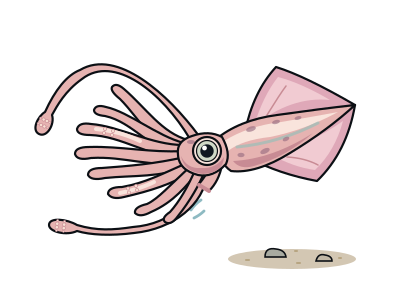
- Giant squidEyes as big as dinner plates; first photographed alive in the wild only in 2004.
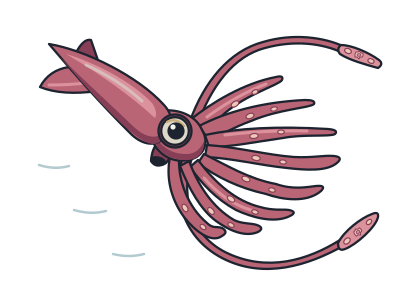
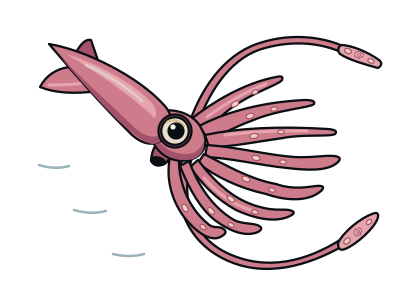
- Colossal squidHeavier than the giant squid, with swivelling hooks on its arms and the largest eyes known.
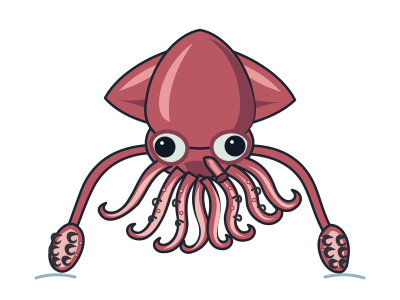
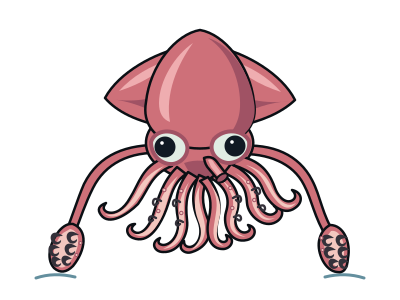
- CuttlefishColour-changing cephalopods that steer their buoyancy with a chambered internal shell.
- Hawaiian bobtail squidA thumb-sized squid that hides its shadow at night with a glowing organ full of friendly bacteria.
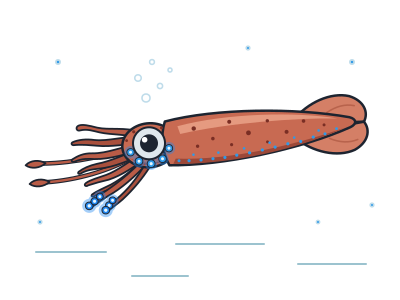
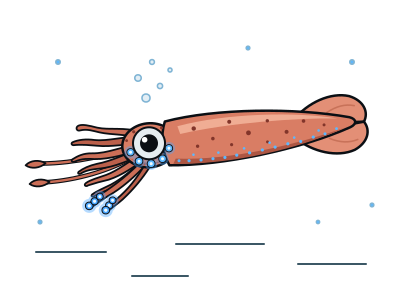
- Firefly squidEach spring, millions light up Toyama Bay in Japan with sparkling blue lights.
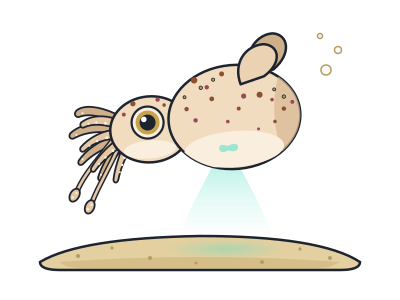
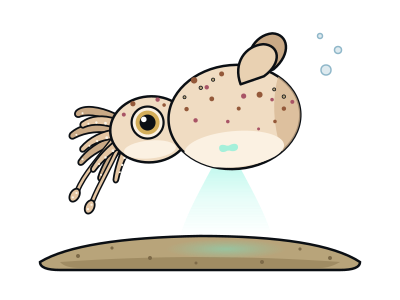
- Ram's horn squidA small deep-sea squid with a coiled shell inside it, found washed up on beaches worldwide.