A species
House centipede
Scutigera coleoptrata
Thirty long legs, one speedy household hunter.
You and the house centipede meet in the Two-sided animals branch, shown at about 580 million years ago (on 11 November, in a calendar from life's shared ancestor to today).
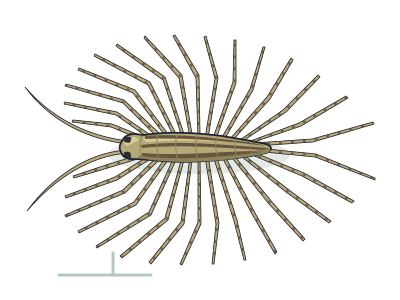
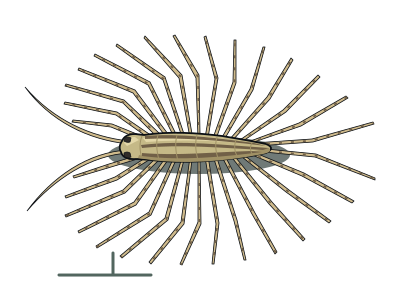
Fifteen pairs of long legs carry an adult house centipede on lightning-fast sprints across floors and walls after household pests. That is 30 legs, not 100. Despite its delicate appearance, it is a centipede like the much bulkier Amazonian giant centipede. Centipedes belong to the same wider group as millipedes. Neither is an insect.
Its legs get longer towards the back. This lets neighbouring legs pass without tangling as it runs. The long pair trailing behind are legs too, though they look like head feelers. At the front, two long antennae detect touch and scent, helping it find prey. Small barbs on its legs help it hold a catch.
Usually hidden during the day, it becomes active at night. Young cockroaches, silverfish, crickets, flies, moths and spiders are all on its menu. Despite its name, it does not live only in houses: outdoors, it also shelters beneath rocks and logs.
A smaller starting set
Hatchlings have just four pairs of legs. They add more pairs as they shed their outer covering and grow.
Banded legs
Its slender legs have alternating dark and pale bands.
Mediterranean beginnings
It is native to the Mediterranean region and has been introduced elsewhere.
Next to it on the tree
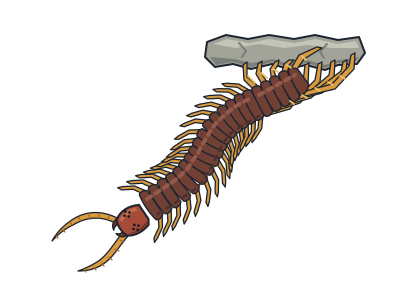
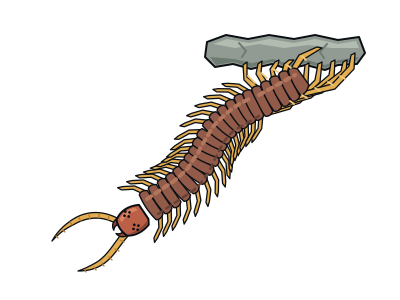
- Amazonian giant centipedeA foot-long centipede that hangs from cave roofs to catch bats in mid-air.
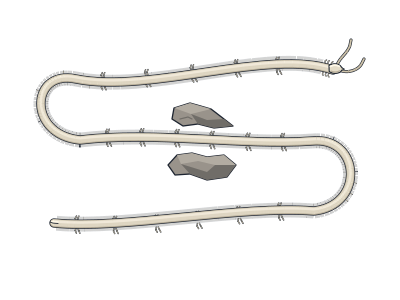
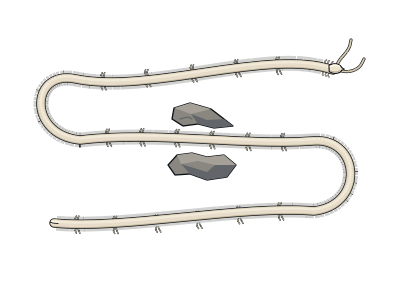
- Leggiest millipedeThe first animal found with over 1,000 legs, up to 1,306, living 60 metres underground in Australia.
- ArthropleuraA millipede relative from a group that included giants about as long as a very small car.
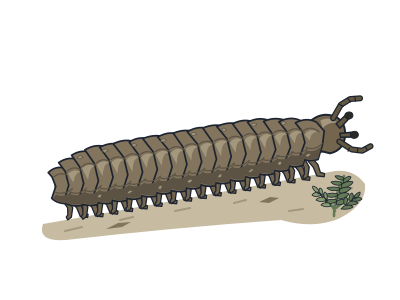
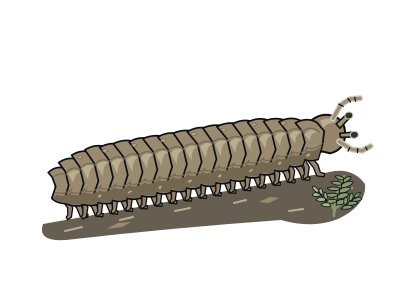
- PneumodesmusA tiny fossil millipede whose breathing holes preserve rare early evidence of life in air.
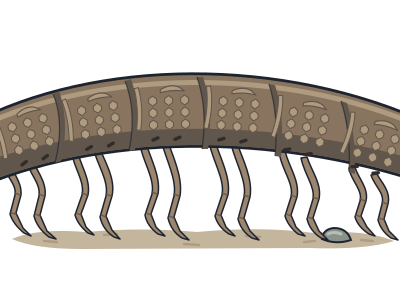
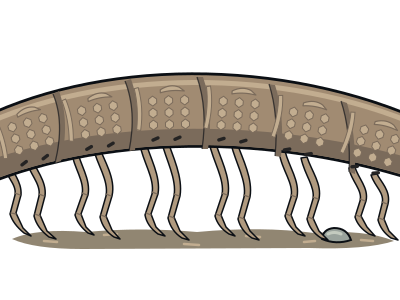
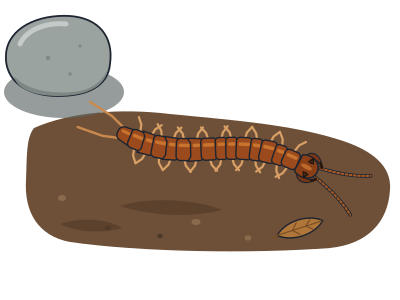
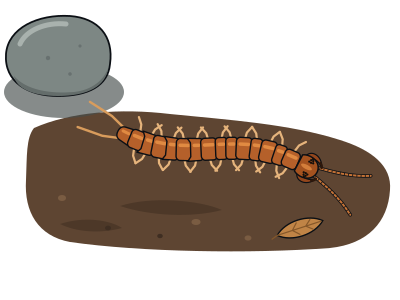
- Brown stone centipedeThe quick brown centipede that bolts when you lift a garden stone.
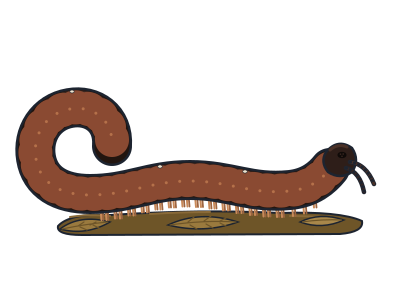
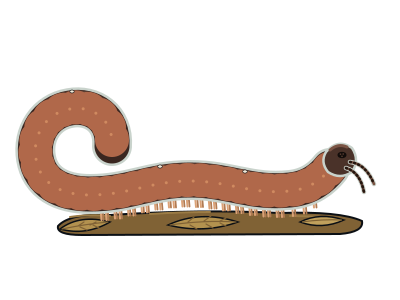
- Giant African millipedeA slow, gentle millipede as long as a ruler that curls into a spiral when touched.
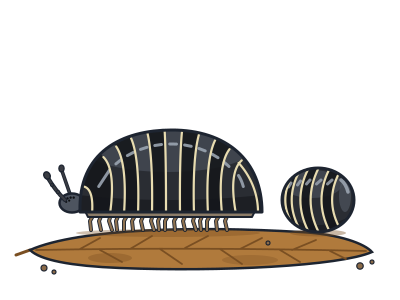
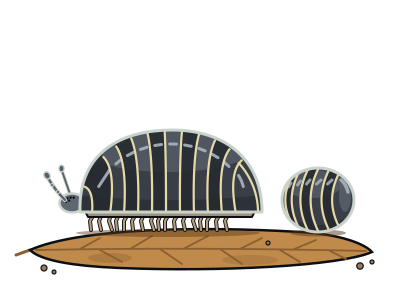
- Pill millipedeRolls into a perfect ball, just like a pill woodlouse, though the two are not close relatives.