A species
Giant African millipede
Archispirostreptus gigas
A gentle, ruler-long millipede that curls into a spiral when touched
You and the giant african millipede meet in the Two-sided animals branch, shown at about 580 million years ago (on 11 November, in a calendar from life's shared ancestor to today).
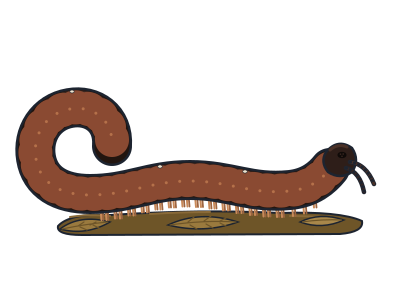
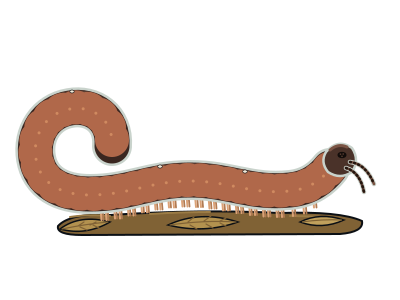
Picture a shiny, dark brown tube about as long as a school ruler, moving across a forest floor on hundreds of tiny legs. This is the largest millipede alive today. It is slow and gentle. When something touches it, it curls into a tight spiral like a cinnamon roll, with its head tucked safely in the middle.
It shares a branch of the tree of life with the centipedes, but the two live very differently. Centipedes have one pair of legs on each body segment, run away fast and hunt small animals. This millipede has two pairs on most segments. Its jaws are weak, it does not bite, and it eats decaying plants.
It lives in lowland forests of East Africa, from about Mozambique to Kenya. It comes out at night. It has poor eyesight, so it feels its way with its two antennae. By eating dead leaves and rotting wood, it returns nutrients to the soil, and its droppings help feed rainforest plants.
Curling up is not its only defence. It can also ooze a bad-smelling liquid from small pores along its sides. It is also one of the few small animals without backbones that fierce driver ants cannot hunt.
Tiny passengers
Small mites often crawl over its body and between its legs. They are thought to help keep its hard outer skin clean in return for food and shelter.
Shongololo
It is also known by the local names 'shongololo' and 'bongololo'.
Hundreds of eggs
A female lays hundreds of eggs in a hole in the ground. The young get no care from their parents.
Next to it on the tree
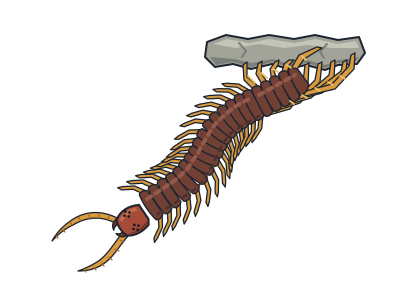
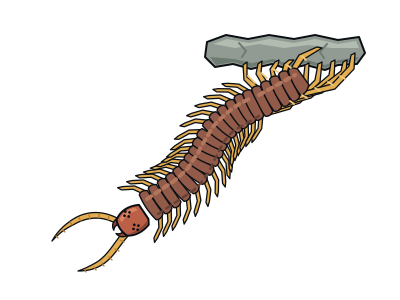
- Amazonian giant centipedeA foot-long centipede that hangs from cave roofs to catch bats in mid-air.
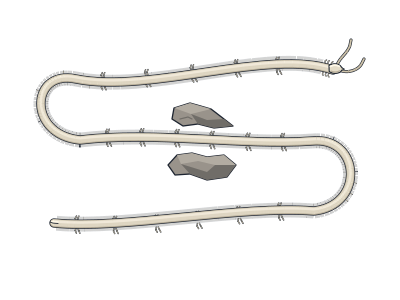
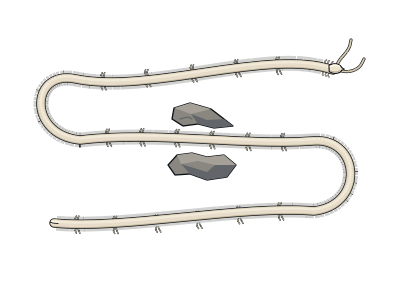
- Leggiest millipedeThe first animal found with over 1,000 legs, up to 1,306, living 60 metres underground in Australia.
- ArthropleuraA millipede relative from a group that included giants about as long as a very small car.
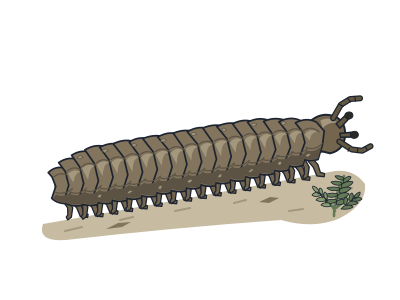
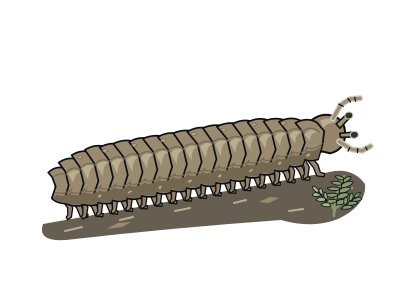
- PneumodesmusA tiny fossil millipede whose breathing holes preserve rare early evidence of life in air.
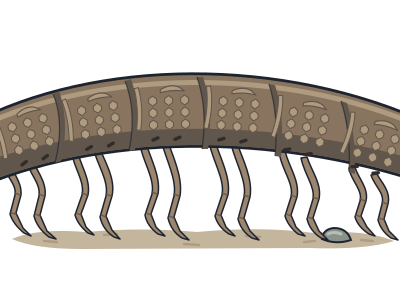
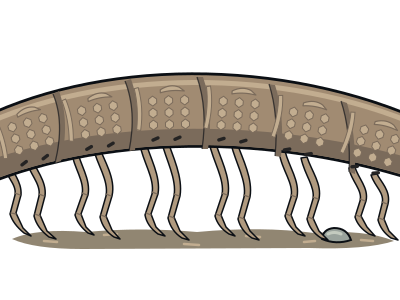
- House centipedeFifteen pairs of long legs and a lightning-fast sprint after household pests.
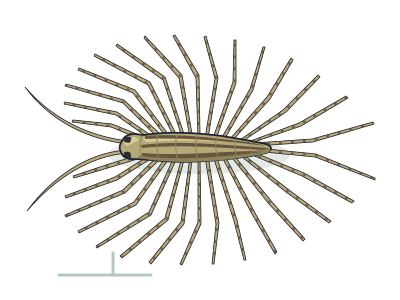
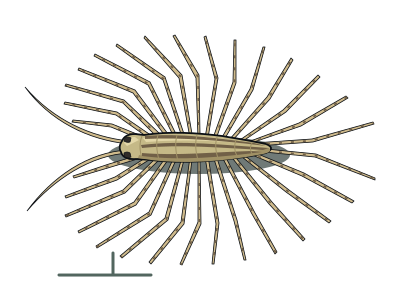
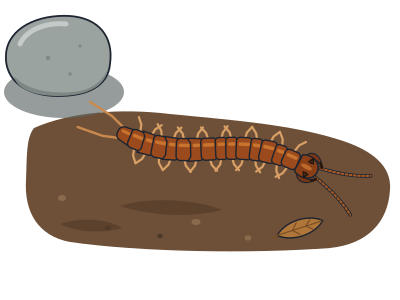
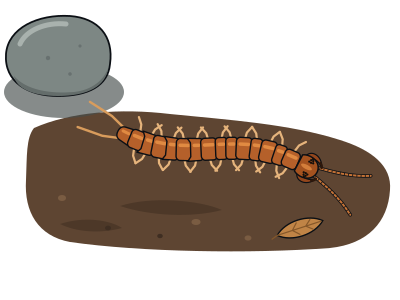
- Brown stone centipedeThe quick brown centipede that bolts when you lift a garden stone.
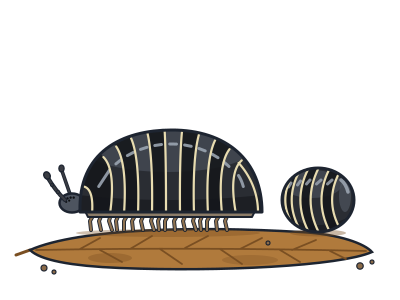
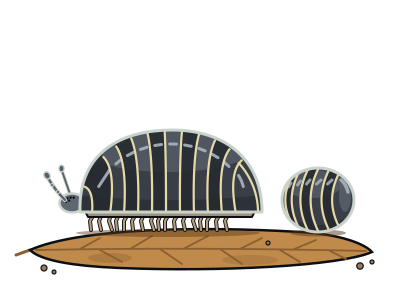
- Pill millipedeRolls into a perfect ball, just like a pill woodlouse, though the two are not close relatives.