An extinct species
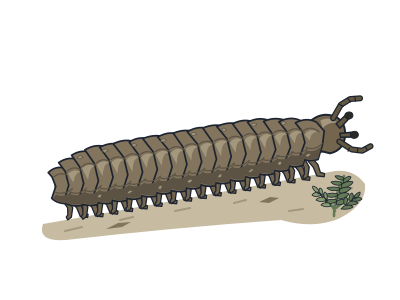
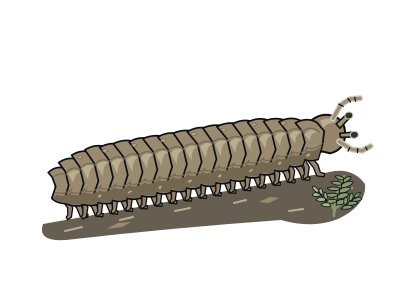
Arthropleura †
Arthropleura armata
A millipede relative from a group that included car-length giants
Lived about 345–290 million years ago.
You and the arthropleura meet in the Two-sided animals branch, shown at about 580 million years ago (on 11 November, in a calendar from life's shared ancestor to today).
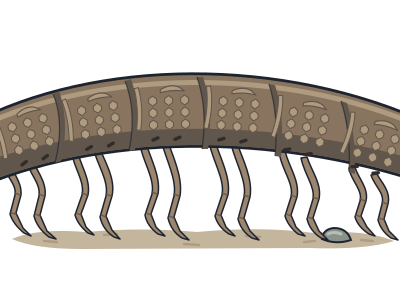
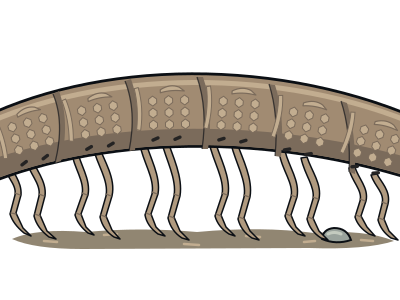
This millipede relative belonged to a group that included giants about the length of a very small car. One fossil suggested an animal about 2.6 metres long, without a car’s bulk. It belonged with centipedes and millipedes, rather than insects. Its wider group lived about 345 to 290 million years ago.
Fossils and footprints of these extinct animals were found in what became Europe and North America. Their surroundings were not all deep, swampy forest. Rocks around a fossil from Northumberland pointed to open woodland beside an ancient river. These animals were not restricted to the coal swamps often pictured as their home.
Much of their fossil evidence consisted of scattered pieces of outer shell. Connected remains were rare because the body readily fell apart after death. The Northumberland fossil preserved only part of a back, without a head or legs. Reconstructing an entire giant from such remains required estimates, rather than simply measuring a complete animal.
A discovery from 1935
A German fossil found in 1935 preserved about 90 centimetres of trunk, but lacked both head and tail ends.
Hidden heads
In 2024, scans revealed head details inside small French fossils about 305 million years old. These belonged to an unidentified species from the same wider group.
Tracks across Scotland
Two parallel lines of fossil footprints on the Isle of Arran were attributed to an animal from this extinct group, estimated to have been about 1.6 metres long.
Next to it on the tree
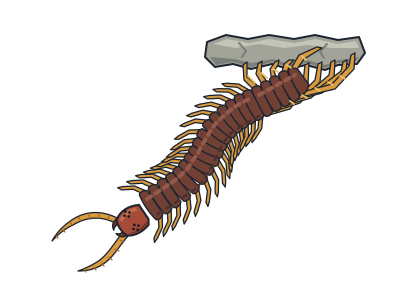
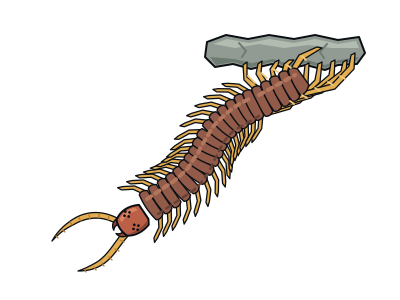
- Amazonian giant centipedeA foot-long centipede that hangs from cave roofs to catch bats in mid-air.
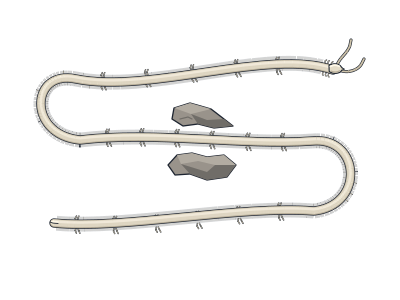
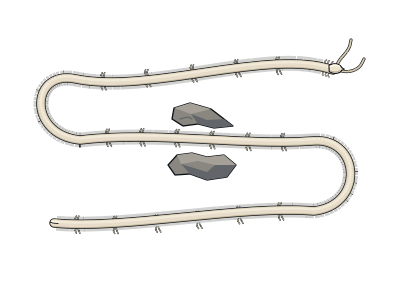
- Leggiest millipedeThe first animal found with over 1,000 legs, up to 1,306, living 60 metres underground in Australia.
- PneumodesmusA tiny fossil millipede whose breathing holes preserve rare early evidence of life in air.
- House centipedeFifteen pairs of long legs and a lightning-fast sprint after household pests.
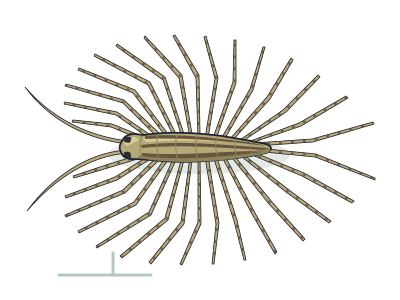
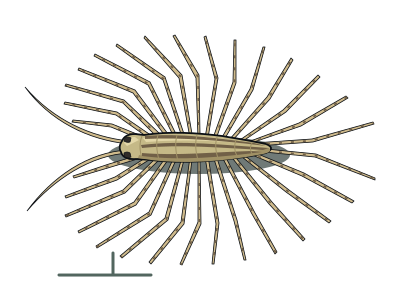
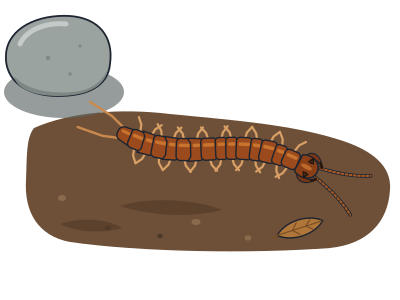
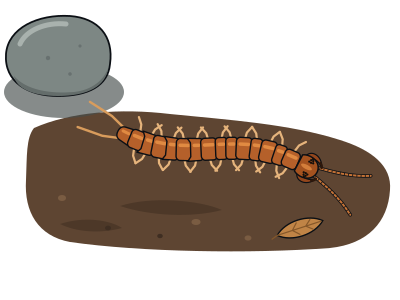
- Brown stone centipedeThe quick brown centipede that bolts when you lift a garden stone.
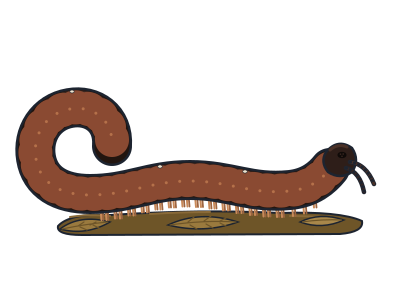
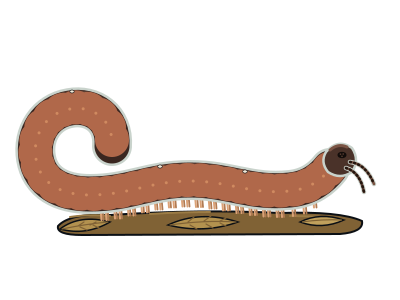
- Giant African millipedeA slow, gentle millipede as long as a ruler that curls into a spiral when touched.
- Pill millipedeRolls into a perfect ball, just like a pill woodlouse, though the two are not close relatives.