A species
Amazonian giant centipede
Scolopendra gigantea
A ruler-length relative of the house centipede, seen hanging from cave roofs with bats.
You and the amazonian giant centipede meet in the Two-sided animals branch, shown at about 580 million years ago (on 11 November, in a calendar from life's shared ancestor to today).
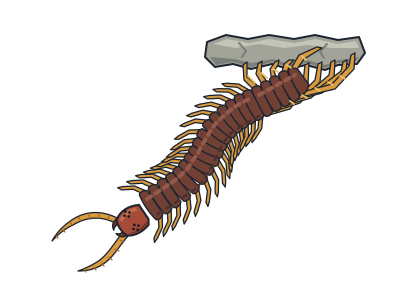
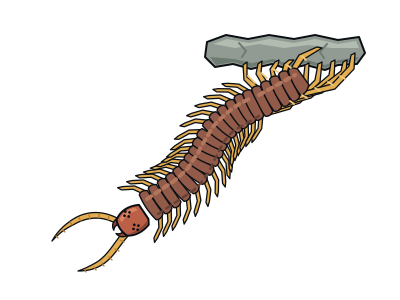
A centipede hanging from a cave roof with a bat in its legs sounds unlikely, but researchers saw just that in Venezuela. In one observation, the animal anchored itself with its last five pairs of legs and held a bat with its first eight pairs.
Large individuals can reach about 30 centimetres, the length of a school ruler. On the tree, its relatives include the house centipede. Millipedes belong to the same wider group, but are not centipedes.
Away from caves, it shelters in damp places: beneath rocks, among fallen leaves, in soil and in rotten wood. Its meals include crickets, cockroaches, worms and snails, as well as small animals such as lizards, toads and mice. Bats are only part of this hunter’s varied menu.
Legs, not teeth
The venom-delivering claws beneath its head are modified front legs, not ordinary teeth.
A caring mother
Females care for their eggs and young until the young can feed themselves.
Built low
Its body is flattened, with clearly separated sections and two long, jointed feelers.
Next to it on the tree
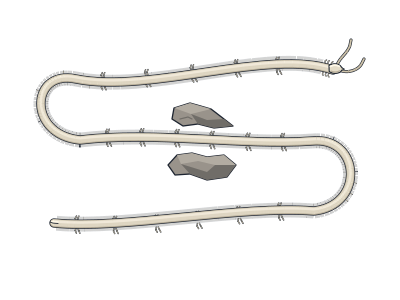
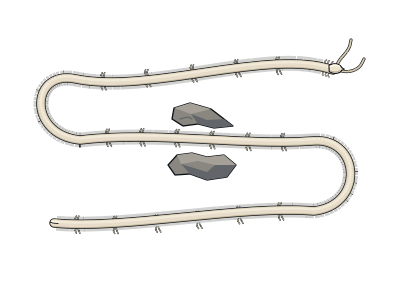
- Leggiest millipedeThe first animal found with over 1,000 legs, up to 1,306, living 60 metres underground in Australia.
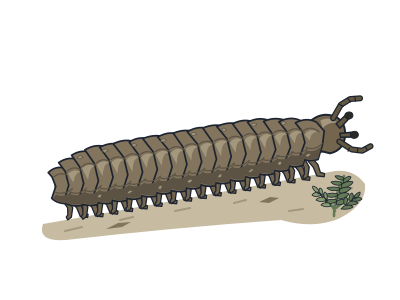
- ArthropleuraA millipede relative from a group that included giants about as long as a very small car.
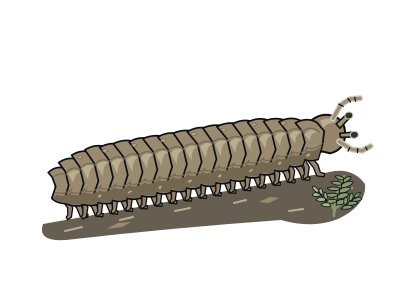
- PneumodesmusA tiny fossil millipede whose breathing holes preserve rare early evidence of life in air.
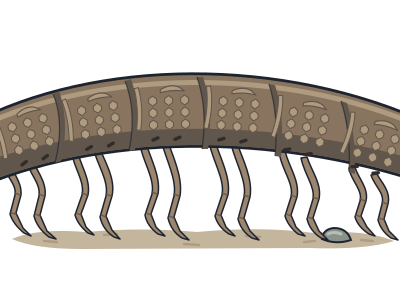
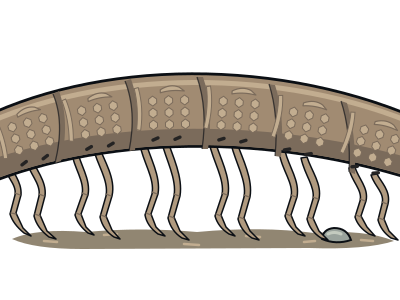
- House centipedeFifteen pairs of long legs and a lightning-fast sprint after household pests.
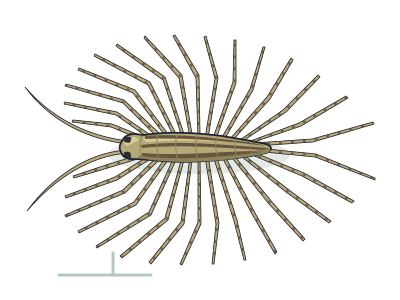
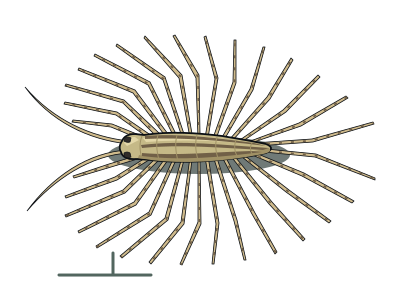
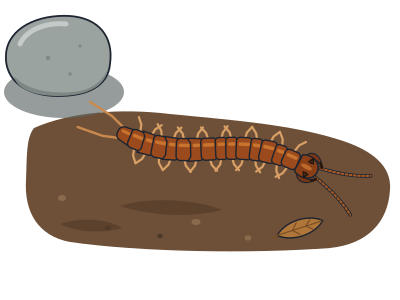
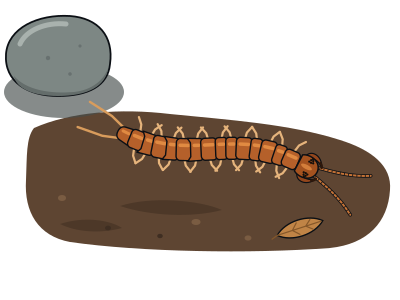
- Brown stone centipedeThe quick brown centipede that bolts when you lift a garden stone.
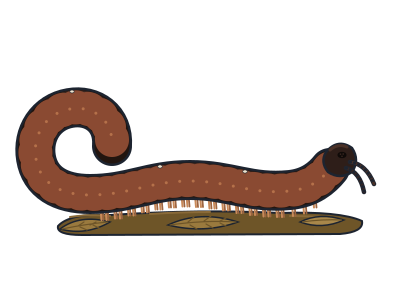
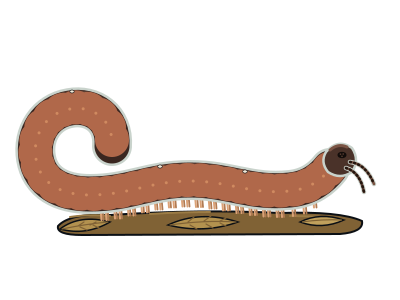
- Giant African millipedeA slow, gentle millipede as long as a ruler that curls into a spiral when touched.
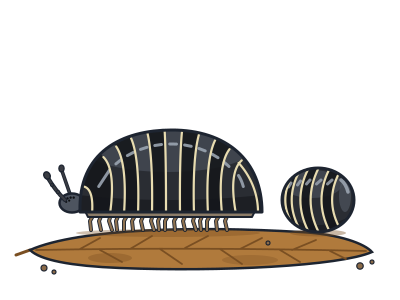
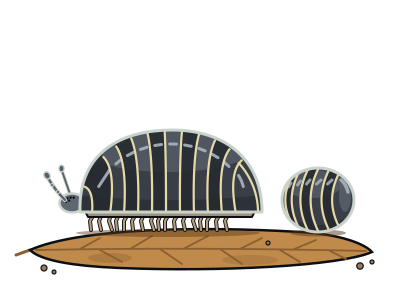
- Pill millipedeRolls into a perfect ball, just like a pill woodlouse, though the two are not close relatives.