A group of living things
Horses, zebras and donkeys
Equus
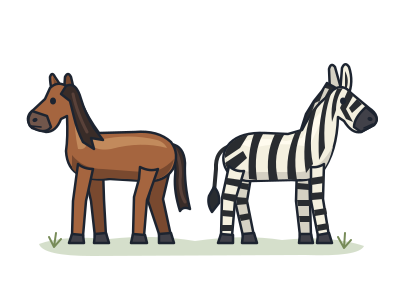
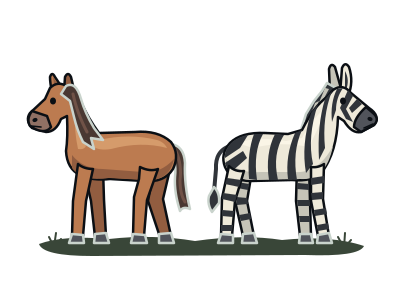
One close family, very different coats.
This branch is shown at about 4 million years ago; its age is a rough estimate.
You and horses, zebras and donkeys meet in the Placental mammals branch, shown at about 95 million years ago (on 23 December, in a calendar from life's shared ancestor to today).
A striped zebra, a donkey and a riding horse are all close relatives, not three separate animal families. Look beyond their coats and their shared shape becomes clear: long legs, a long neck and an elongated muzzle. Every living member has one main toe on each foot, enclosed in a single hoof.
People have bred domestic horses for different jobs, from carrying riders to pulling heavy loads. This helps explain their wide variety of builds and colours. Their manes usually grow long and fall to one side. A zebra's mane is short and upright: a useful difference to spot when you picture the two animals together.
Zebras mostly eat grass, clipping it with their front teeth, though they also eat leaves and stems. Their social lives differ between species. Plains zebras live in family groups with one male, several females and their young. Grevy's zebra males instead defend areas, rather than keeping permanent family groups with particular females.
A pattern of its own
Each plains zebra has its own stripe pattern, allowing individuals to be recognised.
Different tails
Horse tails carry long hair along their length. Zebra and donkey tails have a more obvious tuft at the end.
Gentle grooming
Zebras groom one another with gentle nibbles. They also communicate through sounds, facial expressions and ear positions.
Inside horses, zebras and donkeys
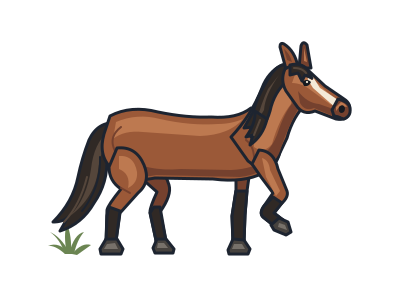
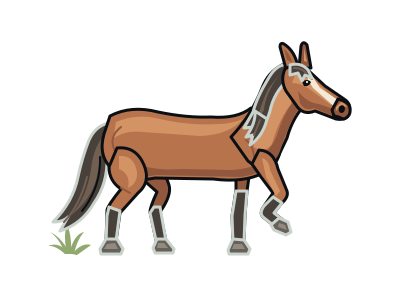
- HorseRuns on a single toe per foot; its ancestors had three or four.
- Plains zebraA wild horse whose stripes deter biting flies.
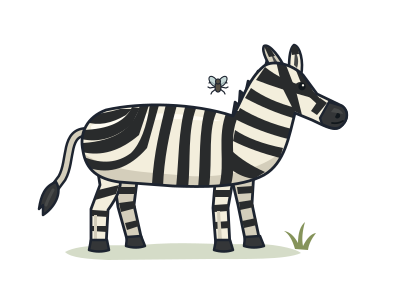
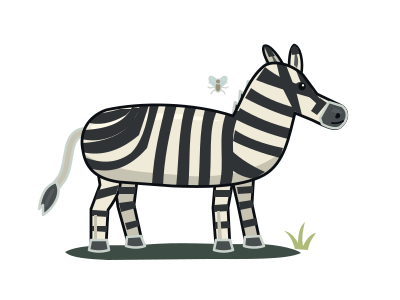
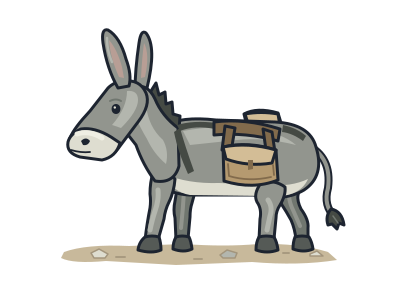
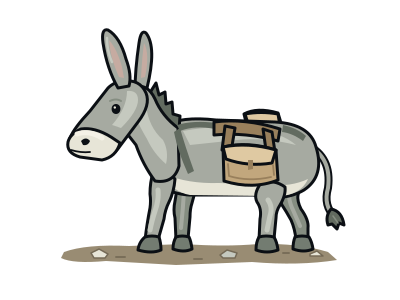
- DonkeyDescended from the African wild ass; genetic evidence places domestication about 7,000 years ago.
- QuaggaA half-striped form of the plains zebra; short pieces of its DNA were read in 1984.
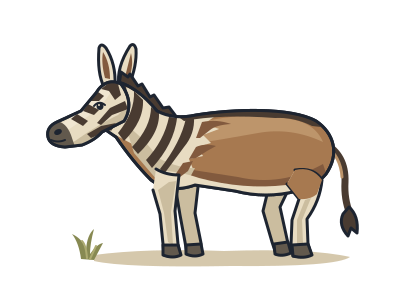
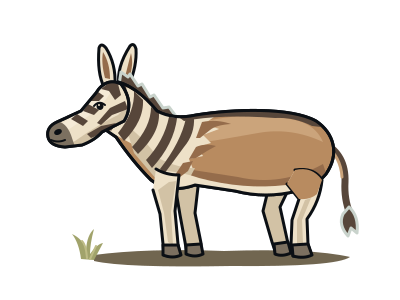
- Przewalski’s horseA stocky Mongolian horse that vanished from the wild in the 1960s and was returned from zoos.
- Grévy’s zebraThe largest zebra, with narrow stripes, big round ears and a white belly.
Next to it on the tree
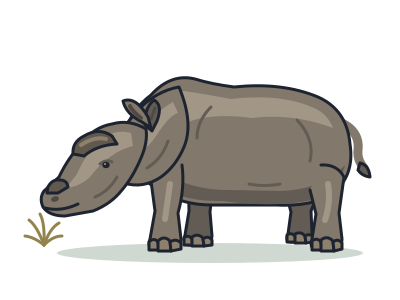
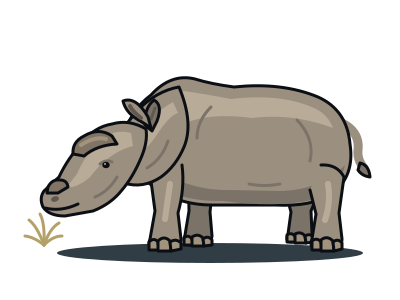
- ParaceratheriumA hornless giant rhino relative; the largest reconstructed individuals reach about five metres at the shoulder.
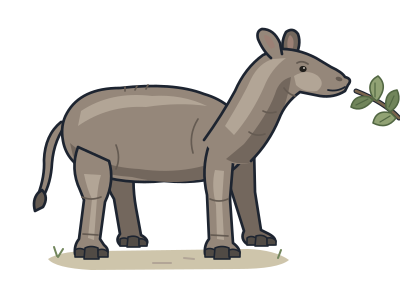
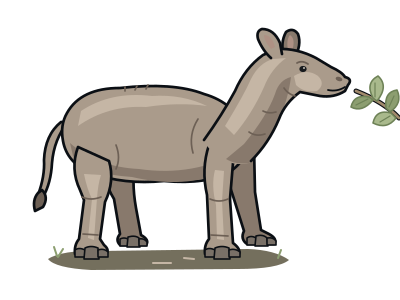
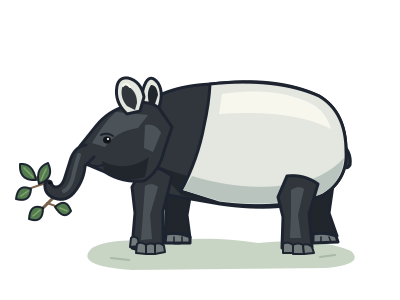
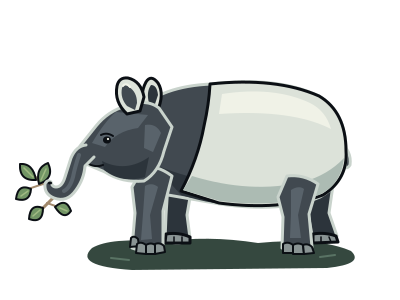
- Malayan tapirBlack-and-white "split" colouring and a short trunk for grabbing leaves.
- RhinocerosesFive living species survive from a family that once spread across the world.
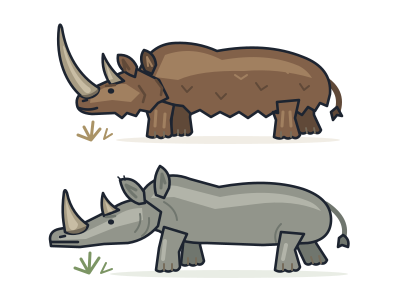
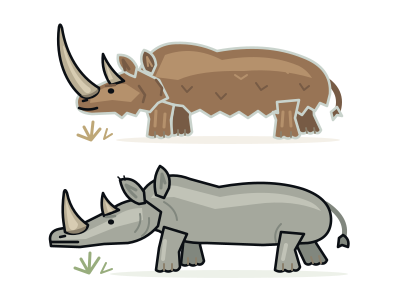
- ElasmotheriumThe "Siberian unicorn", a giant rhino relative that lived until about 39,000 years ago.
- South American tapirA pig-shaped swimmer with a short grasping trunk, related to horses and rhinos.
- EohippusA fox-sized 'dawn horse' with four toes on each front foot, near the start of the horse family.